5 Core Habits of People Who Never Pay a Credit Card Bill Late
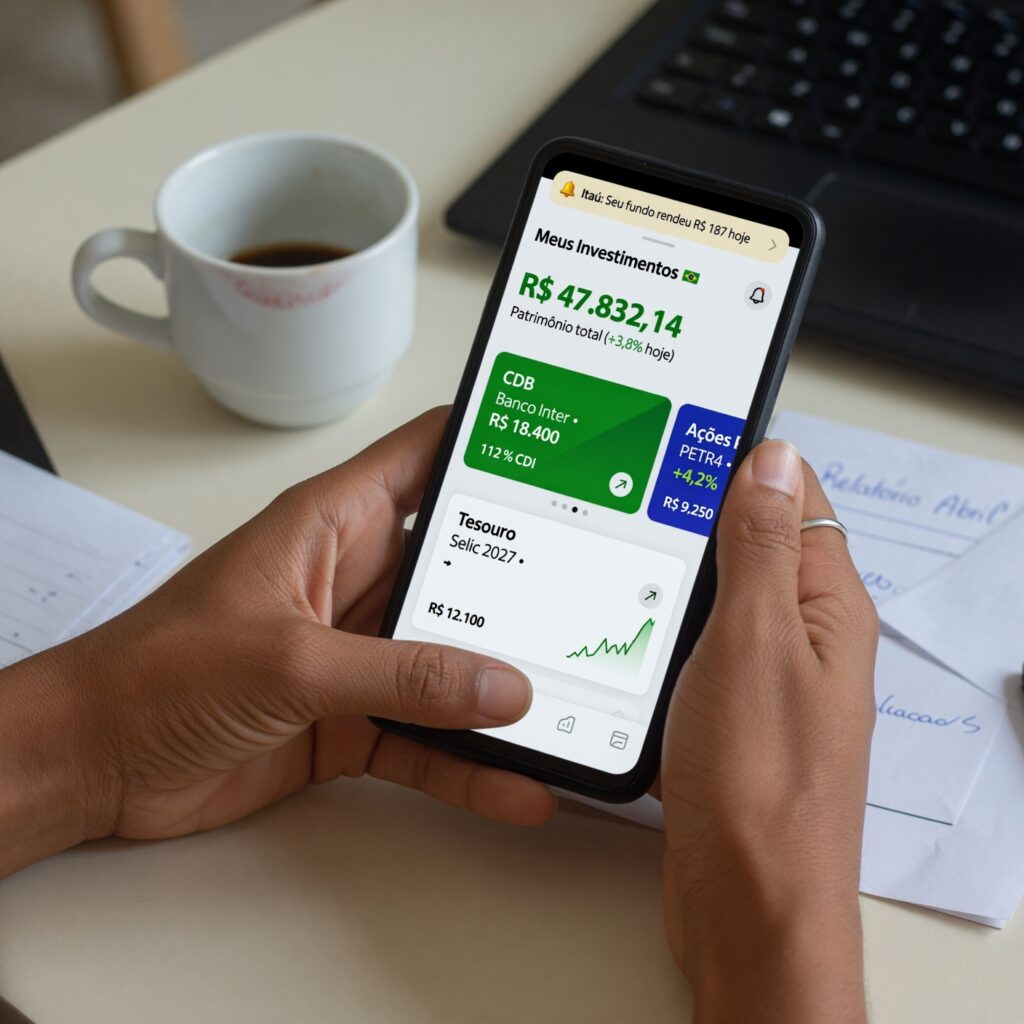
image for illustrative purposes only.
For many, opening a credit card statement brings a sudden wave of anxiety. A single missed payment can trigger a cascade of financial headaches: expensive late fees, compounding interest charges, and a devastating drop in your credit score. Yet, there is a segment of consumers who navigate the credit system completely stress-free. They never pay a dime in interest, their credit scores steadily climb, and they treat their monthly statements as a simple administrative formality rather than a financial crisis.
Achieving this level of financial peace is not about earning a seven-figure income or possessing an advanced degree in economics. It is entirely about behavior, systems, and routines. By breaking down the daily, weekly, and monthly practices of highly organized consumers, we can uncover a clear blueprint for credit card mastery.
Here are the five foundational habits of people who never miss a credit card payment, along with actionable frameworks to help you implement them in your own financial life.
1. Automated Bill Payment Architecture: Eliminating Human Error from the Equation

Why Relying on Your Memory Is a Financial Risk
The most organized financial minds understand a fundamental truth about human behavior: willpower and memory are unreliable systems. Life gets busy, emergencies happen, and notifications get buried under an avalanche of daily emails. People who never miss a credit card bill payment do not rely on their memory or a calendar reminder to get things paid. Instead, they completely eliminate human error by building an automated bill payment architecture.
Automation shifts your role from a manual laborer who moves money around every month to an overseer who simply monitors a smoothly running machine. This single habit completely eliminates the risk of a late fee caused by forgetfulness, travel, or unexpected life disruptions.
How to Configure an Ironclad Auto-Pay Strategy
To set up an effective automation system, you must understand the options your credit card issuer provides. When configuring auto-pay through your online banking portal, you will generally be presented with three choices:
- The Minimum Payment Due: This is the bare minimum required to keep your account in good standing and avoid late fees. However, choosing this option means you will still carry a balance and accrue interest on the remainder.
- The Current Balance: This pays off every single transaction up to the moment the payment is processed. While safe, it can sometimes pull more cash from your checking account than strictly necessary for that billing cycle.
- The Full Statement Balance: This is the gold standard of automation. Paying the full statement balance clears all charges from the previous billing cycle, ensuring you never pay a single cent of interest while keeping your cash flow entirely optimized.
Managing the Risk of Overdrafts
The biggest hesitation people have regarding auto-pay is the fear of an account overdraft. If your credit card bill automatically pulls funds when your checking account is low, you could face hefty bank fees.
Financially savvy individuals mitigate this risk by maintaining a dedicated “cash cushion” in their checking accounts—typically equal to one month’s worth of baseline living expenses—or by utilizing real-time balance alerts that notify them a few days before an automated withdrawal occurs.
2. Strategic Billing Cycle Alignment: Synchronizing Due Dates with Cash Flow
The Friction of Mismatched Paydays and Deadlines
Imagine receiving your primary paycheck on the 15th of the month, but your three largest credit card bills are all due on the 10th. For five days every month, you are forced to play a stressful game of financial gymnastics, hoping your cash reserves hold out or scraping by until your income arrives. People who never pay late refuse to tolerate this structural friction. They actively design their billing cycles to match their personal cash flow patterns.
Most credit card issuers allow cardholders to change their monthly payment due dates. This is a massively underutilized tool that instantly simplifies money management.
Finding Your Optimal Payment Window
Depending on how you receive your income, you should choose a due date that maximizes your liquid cash availability:
- The Monthly Paycheck Alignment: If you are paid once a month on the 1st, move all your credit card due dates to the 5th or 7th. This ensures your bills are cleared when your account balance is at its absolute peak.
- The Bi-Weekly Split: If you are paid bi-weekly, you can split your credit cards across two distinct due dates. Dedicate cards used for fixed expenses to your first paycheck of the month, and cards used for variable expenses to your second paycheck.
- The Mid-Month Buffer: Many people prefer setting all due dates exactly in the middle of the month (the 15th), allowing them to use the first two weeks of the month to audit their spending and ensure everything balances perfectly.
+-----------------------------------------------------------------+
|               SAMPLE CASH FLOW ALIGNMENT TIMELINE               |
+-----------------------------------------------------------------+
| [1st of Month]  --> Paycheck Arrives (Checking Account Peak)     |
| [3rd of Month]  --> Automated Alerts Triggered                   |
| [5th of Month]  --> Credit Card Statement Balances Auto-Paid      |
| [6th to 30th]   --> Safe Spending Window with Clear Financial Base|
+-----------------------------------------------------------------+
3. Weekly Financial Micro-Audits: The Death of the Monthly Bill Surprise
Breaking the Cycle of “Sticker Shock”
A primary reason people pay bills late or fail to pay them in full is the phenomenon of “monthly sticker shock.” This happens when you avoid looking at your credit card app for 30 days, only to open it and find a balance that is twice as high as you estimated. Panic sets in, cash reserves are insufficient, and you are forced to make a partial payment.
People with pristine payment histories completely avoid this by conducting weekly financial micro-audits. They never let 30 days of transactions pile up into a massive, unmanageable mountain of data.
The 10-Minute Sunday Routine
A weekly financial audit does not require complex spreadsheets or hours of tedious calculations. It is a rapid, 10-minute check-in performed once a week—often on a calm Sunday morning. During this micro-audit, you review three specific metrics:
- Pending and Cleared Transactions: Scan your credit card accounts to ensure every charge is legitimate. This practice helps catch fraudulent activity long before your statement closes.
- Current Balance vs. Checking Account Balance: Ensure that the total amount of money sitting in your liquid checking account safely covers the accumulated balances across all your credit cards.
- Proactive Micro-Payments: Many top-tier credit users do not wait for the official due date to make a payment. If they notice their balance creeping higher than comfortable during a weekly check, they send a quick manual payment right then. This keeps their credit utilization ratio low and ensures their monthly bill remains incredibly small.
4. The Debit Card Mindset: Navigating the Phantom Wealth Trap
Understanding the Illusion of Available Credit
A credit limit is not your money; it is a temporary loan extended to you by a financial institution. However, human psychology can easily trick us into viewing a high credit limit as a form of personal wealth. If you have a credit card with a $15,000 limit, a dangerous cognitive bias might whisper that you have $15,000 available to spend.
Those who never miss a payment operate strictly under a debit card mindset. They treat their credit card as if it were directly linked to their checking account. If the cash is not sitting in their bank account right now to cover a purchase, they do not buy it. Period.
| Metric | The Debt Trap Mindset | The Debit Card Mindset |
|---|---|---|
| Spending Limit Base | Your total approved credit limit ($10,000+) | Your actual checking account balance |
| View of Credit Cards | A tool to buy now and figure out payment later | A secure payment pipeline to earn rewards |
| Payment Approach | Paying variable amounts based on monthly stress | Paying the full statement balance automatically |
| Interest Expenses | Highly frequent and compounding | Absolutely zero |
Leveraging Technology to Cap Your Spending
To maintain this mindset effortlessly, you can use your credit card issuer’s app to build artificial guardrails:
- Set Real-Time Transaction Notifications: Configure your app to send a push notification every time a purchase is made. Seeing the immediate digital record of spending reinforces the reality of the transaction.
- Establish Low-Balance Alerts: Set up an alert that fires when your checking account hits a specific threshold, signaling that it is time to halt any non-essential credit card spending.
5. Maintaining an Emergency Liquid Runway: Protecting Bills from Life’s Uncertainties
Why a Sudden Crisis Derails Good Intentions
You can have the best budgeting apps, perfectly aligned due dates, and an automated payment system, but if a sudden emergency strikes and you have zero cash reserves, your financial system will collapse. A medical emergency, an urgent car repair, or an unexpected period of unemployment can instantly force you to redirect your liquid cash away from credit card bills to cover basic survival needs.
The habit that underpins all other financial behaviors for consistent payers is the aggressive maintenance of an emergency liquid runway. This cash buffer sits completely separate from everyday checking accounts and serves as an economic shock absorber.
Building Your Capital Buffer Step-by-Step
An emergency fund protects your credit score because it ensures that even if your primary income drops to zero, your fixed obligations can be paid on time for months.
- The Starter Buffer: Aim to save $1,000 as fast as possible. This covers minor inconveniences like a blown tire or a broken appliance without forcing you to carry a revolving balance on your credit card.
- The Operational Runway: Work toward accumulating three to six months’ worth of actual living expenses inside a high-yield savings account (HYSA). This money remains completely liquid and easily accessible, earning a competitive interest rate while remaining protected from market volatility.
- The Psychological Benefit: Knowing that your emergency fund is fully funded changes how you interact with credit. You no longer view your credit card as an emergency safety net, leaving its entire capacity free to be used purely for regular, budgeted expenses that are paid off monthly.
The True Cost of a Single Late Payment: Understanding the Financial Penalties

To fully appreciate why these five habits are so vital, it helps to look at the severe penalties triggered when a credit card payment slips past its deadline. Credit card companies operate in a highly regulated environment, but the penalties they are permitted to assess can severely damage your net worth.
The Immediate Financial Hit: Late Fee Penalties
The moment your payment misses the deadline by even a few hours, you are hit with a late fee. For a first offense, this fee can be substantial, and it increases significantly if you have another late payment within a rolling six-month window. This is pure, unadulterated waste—money thrown away that provides absolutely zero consumer value.
The Silent Killer: Penalty APR Activation
Many consumers do not realize that paying late can fundamentally alter the terms of their credit card agreement. If you miss your payment by 60 days or more, many issuers reserve the right to trigger a Penalty APR.
Your standard interest rate could instantly skyrocket to a much higher penalty rate (often near 29.99%). This exorbitant rate applies not only to new purchases but also to your existing balance, making it incredibly difficult to dig your way out of debt once you fall behind.
The Long-Term Credit Score Devastation
Your payment history is the single largest component of your FICO credit score calculation, accounting for a massive 35% of your total score.
+-----------------------------------------------------------------+
|                  FICO® SCORE WEIGHT DISTRIBUTION                |
+-----------------------------------------------------------------+
| [███████████████] 35% - Payment History (The Largest Chunk)     |
| [████████████]    30% - Amounts Owed (Credit Utilization)       |
| [██████]          15% - Length of Credit History                |
| [████]            10% - New Credit                              |
| [████]            10% - Credit Mix                              |
+-----------------------------------------------------------------+
If a payment becomes 30 days past due, the issuer is legally required to report the delinquency to the major credit bureaus. A single 30-day late notice can instantly knock 50 to 100 points off an otherwise excellent credit score. This negative mark will remain visible on your credit profile for seven years, driving up the cost of future auto loans, mortgages, and insurance premiums.
Advanced Credit Optimization: Moving Beyond On-Time Payments
Once you have mastered the five core habits and guaranteed that your bills are paid on time every single month, you can begin utilizing advanced techniques to optimize your credit score even further. Top-tier credit users leverage specific timelines to maximize their financial profiles.
The 15/3 Payment Strategy Explained
The 15/3 strategy is an advanced cash management technique designed to optimize your credit utilization ratio right before your statement closes. Here is how it works:
- 15 Days Before Your Due Date: Log into your account and pay off roughly half of your current balance.
- 3 Days Before Your Due Date: Log in again and pay off the remaining statement balance in its entirety.
By executing this split-payment strategy, you ensure that when your credit card issuer reports your balance to the credit bureaus at the end of the billing cycle, the reported utilization is incredibly low (ideally under 10%). This signals to lenders that you use credit with extreme moderation, giving your credit score an additional upward bump.
Maximizing Reward Portfolios Without Risk
When you never carry a balance and never pay interest, credit card reward programs become purely profitable. You can strategically route all your regular monthly expenses—groceries, utilities, fuel, and streaming services—through cash-back or travel reward cards.
Because your automated system pays the statement balance in full every month, you are effectively getting a 2% to 5% discount on your entire cost of living, subsidized entirely by the credit card networks.
Frequently Asked Questions About Credit Card Management

What should I do if I accidentally miss a credit card payment due date?
If you miss a due date, pick up the phone immediately and call the customer service number on the back of your card. If you are generally an on-time payer and this is your first mistake in recent memory, politely ask the representative to waive the late fee and ensure that a late notice is not reported to the credit bureaus. Most issuers are happy to grant a courtesy waiver to excellent customers, provided you bring the account current right away.
Is it better to pay the current balance or the statement balance?
To avoid interest charges and late fees, you only need to pay the statement balance in full. The statement balance represents the total sum of all transactions that closed during your last official 30-day billing cycle. The current balance includes those past charges plus any new purchases you have made since the statement closed. While paying the current balance is perfectly fine, it is not strictly necessary to protect your credit score or avoid interest.
Does keeping a small balance on my credit card help build my credit score faster?
No. This is one of the most pervasive and expensive myths in personal finance. Carrying a revolving balance from month to month does absolutely nothing to improve your credit score. Lenders look at your payment history and your utilization ratio; they do not reward you for paying interest. Paying your balance down to zero every single month is the absolute best way to build a high credit score while keeping your money in your own pocket.
How many days past the due date is a payment considered late on a credit report?
While a credit card issuer can charge you a late fee the exact day after your due date passes, they cannot report the payment as late to the credit bureaus until it is a full 30 days past due. If you make your payment 5 or 10 days late, you will face an internal bank fee, but your official credit report will remain safe. However, you should never push your luck—make the payment as soon as you notice the oversight.