How Much Did Spain Earn for Winning the 2026 World Cup?
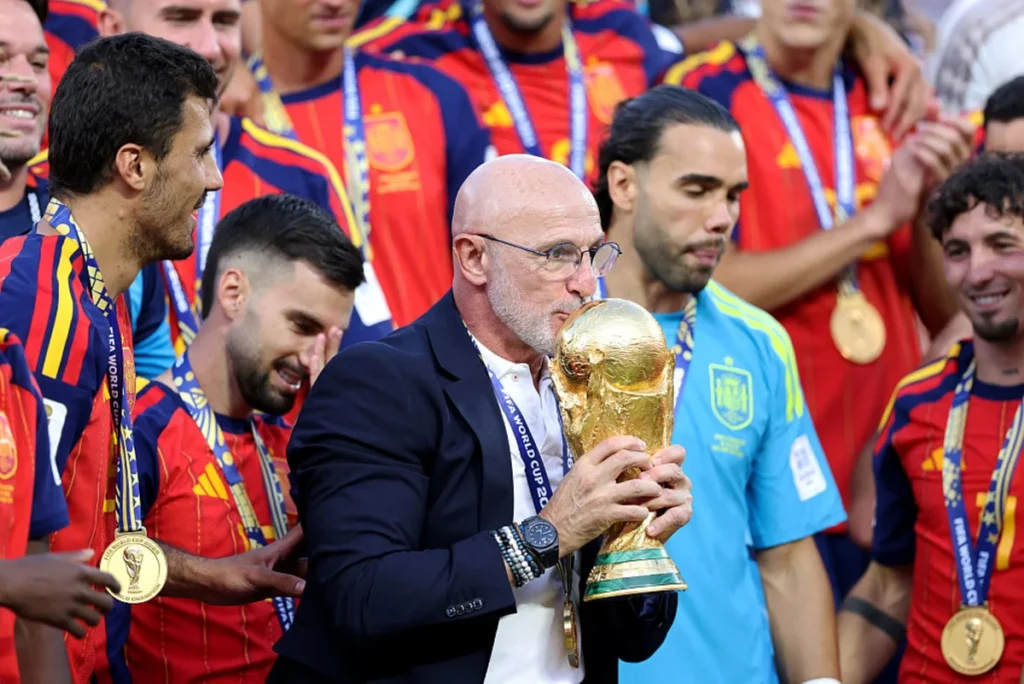
The global sports landscape reached unprecedented financial heights with the culmination of the 2026 FIFA World Cup across North America. When Spain lifted the iconic trophy after an extraordinary tournament, the triumph represented far more than historical sporting glory. It triggered one of the single largest financial payouts in the history of international sports.
Beyond the prestige of being crowned world champions, the Royal Spanish Football Federation (Real Federación Española de Fútbol or RFEF) secured a massive windfall from FIFA’s record-breaking distribution pool. Navigating the economics of global football reveals the exact monetary reward Spain accumulated, how those funds are structured, and what this multi-million-dollar victory means for the future of soccer administration and player payouts.
How Much Did Spain Earn for Winning the 2026 World Cup?

Spain earned $50 million in direct performance prize money for securing the 2026 FIFA World Cup title. However, when taking into account additional FIFA allocations for operational preparation, the absolute total cash payload delivered to the Spanish national federation reaches approximately $52.5 million.
| Financial Category | Amount Awarded (USD) |
|---|---|
| Direct Champion Prize Money | $50,000,000 |
| FIFA Preparation Grant | $2,500,000 |
| Total FIFA Payout to Spain | $52,500,000 |
This $50 million championship figure represents a massive milestone in international sports finance. To put this reward in perspective, Argentina received $42 million from FIFA after winning the 2022 World Cup in Qatar. Spain’s 2026 financial reward reflects an increase of nearly 19% over the previous tournament’s grand prize, underscoring the explosive commercial growth of the expanded 48-team event hosted across the United States, Mexico, and Canada.
Breakdown of the Record $871 Million World Cup Prize Pool
To understand why Spain’s earnings reached unprecedented levels, one must look at FIFA’s overarching prize structure for the 2026 tournament. FIFA set aside a record total distribution package of $871 million for the 48 participating national associations. This was a remarkable 65% increase compared to the $440 million total prize pool distributed at Qatar 2022.
The total $871 million fund is split into distinct categories: $655 million earmarked for performance-based prize money, combined with guaranteed preparation fees and team operational support.
┌─────────────────────────────────────────────────────────────────┐
│              RECORD $871M TOTAL DISTRIBUTION POOL               │
└─────────────────────────────────────────────────────────────────┘
                                │
        ┌───────────────────────┴───────────────────────┐
        ▼                                               ▼
┌──────────────────────────────┐        ┌──────────────────────────────┐
│  $655M Performance Prize     │        │  $216M Guaranteed Prep &     │
│  Money Pool                  │        │  Qualification Funding       │
└──────────────────────────────┘        └──────────────────────────────┘
        │                                               │
        ├─► Champions (Spain): $50M                     └─► $2.5M Prep Grant
        ├─► Runners-up: $33M                                Per Team (All 48)
        ├─► 3rd Place: $29M
        ├─► 4th Place: $27M
        └─► Round-by-Round Payouts
Complete Round-by-Round Prize Money Distribution
FIFA’s tiered distribution structure rewards success at every stage of the tournament. The performance-based payouts were allocated as follows:
- World Champions: $50,000,000
- Runners-Up: $33,000,000
- Third Place: $29,000,000
- Fourth Place: $27,000,000
- Quarterfinalists (5th–8th): $19,000,000 each
- Round of 16 (9th–16th): $15,000,000 each
- Round of 32 (17th–32nd): $11,000,000 each
- Group Stage Elimination (33rd–48th): $9,000,000 each
In addition to performance payouts, every single qualified nation received a guaranteed $2.5 million preparation fee to offset pre-tournament training camps, travel logistics, and administrative overhead. As a result, even teams eliminated in the group stage walked away with a minimum financial compensation of $11.5 million ($9 million base performance payout + $2.5 million preparation allocation).
Where Does the Prize Money Go? How Spain Will Allocate the Funds
A common misconception among sports fans is that the $50 million prize goes straight into the personal bank accounts of the 26 players on the pitch. In reality, FIFA disburses the full sum directly to the winning country’s national football governing body—in this case, the Royal Spanish Football Federation (RFEF).
Once the funds arrive at the RFEF, they are distributed across several key categories according to pre-established agreements and long-term organizational budgets:
                  ┌──────────────────────────────┐
                  │   $52.5M Total FIFA Payout   │
                  │       Received by RFEF       │
                  └──────────────┬───────────────┘
                                 │
         ┌───────────────────────┼───────────────────────┐
         ▼                       ▼                       ▼
┌─────────────────┐     ┌─────────────────┐     ┌─────────────────┐
│ Player & Staff  │     │ Grassroots &    │     │ Operational &   │
│ Performance     │     │ Youth Academy   │     │ Infrastructure  │
│ Bonuses (~30-50%)│    │ Investments     │     │ Reinvestment    │
└─────────────────┘     └─────────────────┘     └─────────────────┘
1. Player and Coaching Staff Bonuses
Prior to the tournament, the RFEF negotiated a formal bonus structure with team captains and player representatives. Typically, major national federations allocate between 30% to 50% of the total FIFA prize money directly to squad members, head coaches, and technical staff.
Assuming a standard 40% performance bonus allocation from the $50 million base prize, approximately $20 million will be distributed among squad members and technical staff. Divided across a 26-player roster and key coaching staff, each player stands to take home a life-changing bonus payment, often exceeding $600,000 to $750,000 per player before local taxes.
2. Grassroots Football and Youth Academy Development
The remaining millions serve as the primary operational engine for domestic football growth across Spain. A substantial portion of the RFEF’s profit margin is funneled directly into:
- Grassroots Initiatives: Funding local football clubs, regional tournaments, and community coaching courses.
- Youth Academies: Enhancing regional training facilities to discover and foster the next generation of Spanish talent.
- Women’s Football Infrastructure: Expanding national leagues, youth pipelines, and professional resources for women’s soccer.
3. Federation Reserves and Operational Upgrades
Winning a major international tournament places heavy administrative and logistics demands on a national federation. Remaining cash funds are earmarked for structural reserves, modernizing sports science departments, and enhancing national training complexes like the Ciudad del Fútbol in Las Rozas.
How Spain’s World Cup Earnings Compare to Historical Winners
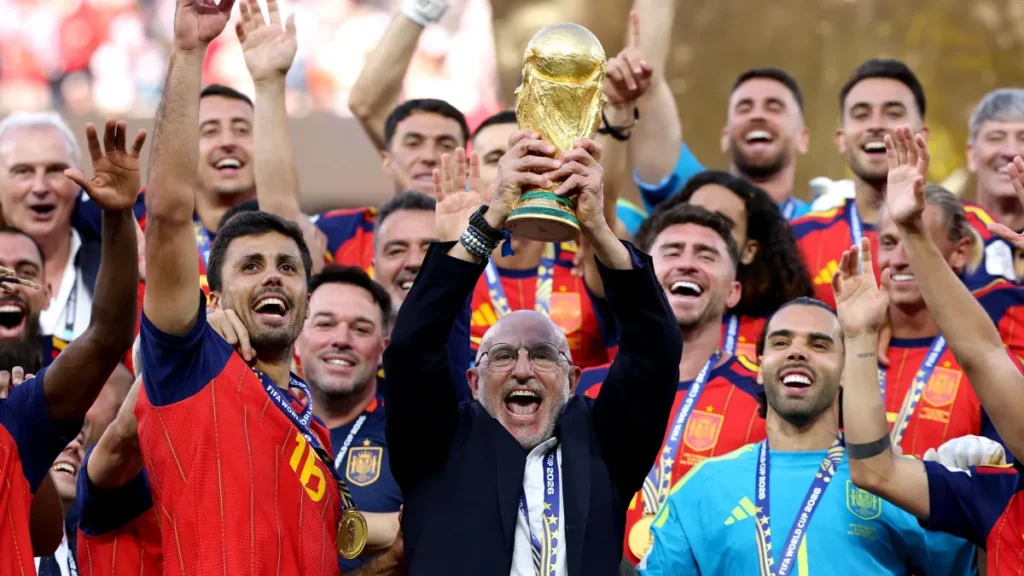
The commercial scale of modern international soccer becomes crystal clear when comparing Spain’s 2026 earnings with prize money allocations from previous FIFA World Cup editions.
| World Cup Edition | Host Country | Tournament Winner | Champion Prize Money (USD) | Total Prize Pool (USD) |
|---|---|---|---|---|
| 2026 | USA, Canada, Mexico | Spain | $50 Million | $871 Million |
| 2022 | Qatar | Argentina | $42 Million | $440 Million |
| 2018 | Russia | France | $38 Million | $400 Million |
| 2014 | Brazil | Germany | $35 Million | $358 Million |
| 2010 | South Africa | Spain | $30 Million | $348 Million |
| 2006 | Germany | Italy | $20 Million | $236 Million |
| 2002 | South Korea / Japan | Brazil | $9 Million | $134 Million |
When Spain won its first men’s World Cup title in South Africa in 2010, the federation received $30 million. Sixteen years later, Spain’s championship earnings jumped by $20 million—a massive 66% growth in primary prize value. Going back to Brazil’s victory in 2002, the top prize was a modest $9 million, showing that champion rewards have surged by more than 455% over the past quarter-century.
Club vs. Country: How World Cup Money Compares to Club Competitions
While a $50 million payout is astronomical for international football, how does it compare to top-tier club competitions like the UEFA Champions League or the FIFA Club World Cup?
Interestingly, top European club competitions still offer larger overall financial distributions for individual teams because club football operates on year-round broadcasting contracts and weekly matchday revenue.
- UEFA Champions League Winner: A club that goes undefeated through the Champions League group and knockout stages can aggregate between $90 million and $130 million in total prize money, TV market pool distributions, and performance bonuses.
- FIFA Club World Cup Champion: The revamped 32-team FIFA Club World Cup awards top-tier European winners performance sums ranging from $80 million to $115 million.
- FIFA World Cup Winner (Spain): $50 million in performance prize money.
The key difference lies in tournament duration. The FIFA World Cup is a condensed seven-week event held once every four years, making Spain’s earn-rate per match played extraordinarily lucrative relative to the time spent on the pitch.
Economic Ripple Effects of Spain’s Victory Beyond FIFA’s Payout
The $52.5 million sum paid directly by FIFA is only the immediate layer of Spain’s financial victory. Winning the greatest trophy in global sports opens up secondary and tertiary commercial revenue streams that will benefit the Spanish federation and its players for years to come.
                         ┌──────────────────────────────┐
                         │    COMMERCIAL RIPPLE EFFECT  │
                         └──────────────┬───────────────┘
                                        │
         ┌──────────────────────────────┼──────────────────────────────┐
         ▼                              ▼                              ▼
┌──────────────────┐           ┌──────────────────┐           ┌──────────────────┐
│  Sponsorship     │           │  Merchandising & │           │ Match & Friendly │
│  Escalation      │           │  Kit Sales       │           │  Appearance Fees │
└──────────────────┘           └──────────────────┘           └──────────────────┘
│ Most contracts   │           │ World Cup star   │           │ Federations charge│
│ contain 15-30%   │           │ jerseys create   │           │ 2x-3x higher fees │
│ winner bonuses   │           │ global demand    │           │ for friendlies   │
Escalating Sponsorship Bonuses
Major national team sponsors—including kit suppliers, official airline partners, telecom giants, and global beverage brands—frequently structure their contracts with performance clauses. Spain’s World Cup triumph triggers mandatory bonus payouts built into existing commercial agreements, adding estimated tens of millions of dollars to the federation’s bank accounts.
Worldwide Jersey and Merchandise Sales
Lifting the trophy grants Spain the right to permanently add a second gold star above the national crest on official jerseys. Demand for updated national team merchandise skyrockets globally after a tournament victory. Kit manufacturers experience massive sales spikes, yielding higher royalty distributions for the national federation.
Premium Appearance Fees for International Matches
As reigning World Champions, Spain’s national team becomes the most sought-after opponent for international friendly matches. The RFEF can command double or triple its pre-2026 appearance fees when scheduling exhibition matches against other nations, ensuring elevated income right up to the next major tournament cycle.
Key Takeaways from Spain’s 2026 Financial Victory
- Top Direct Prize: Spain earned $50 million in direct championship prize money from FIFA.
- Total Allocation: Including preparation stipends, Spain’s complete FIFA payout stands at roughly $52.5 million.
- Record-Breaking Pool: The total distribution pool reached $871 million, making 2026 the most lucrative World Cup in history.
- Federation Distribution: Funds are managed by the RFEF, with a percentage allocated toward squad performance bonuses, while the remainder funds youth development, infrastructure, and domestic football growth.
- Long-Term Impact: Secondary financial benefits—including sponsorship escalations, kit sales, and match appearance fees—will provide sustainable revenue for Spanish football over the coming years.