Blockchain Beyond Cryptocurrencies: Real-World Applications Transforming Industries
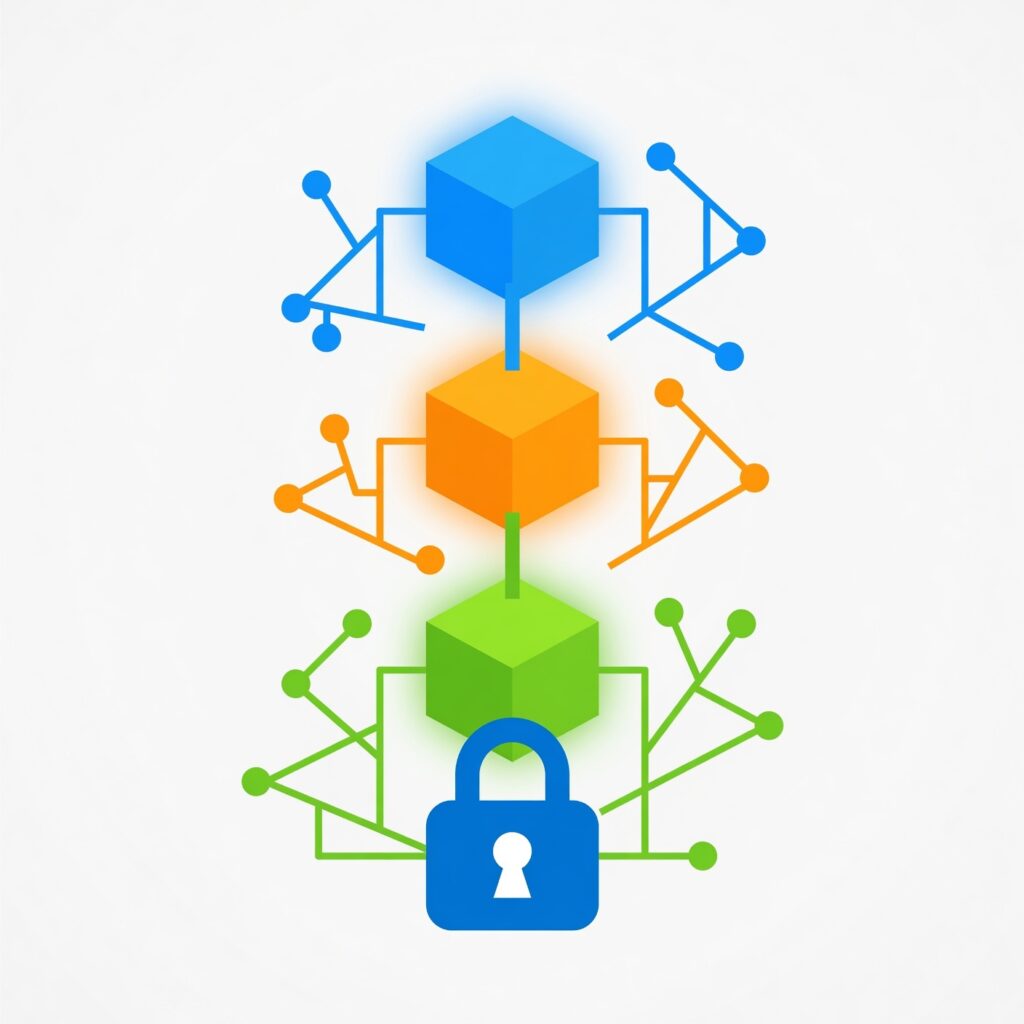
image for illustrative purposes only.
When most people hear the word blockchain, their minds immediately jump to Bitcoin, Ethereum, and the volatile world of digital currencies. For years, blockchain technology has been inextricably linked to financial speculation, crypto trading, and decentralized finance. However, viewing blockchain purely as a financial ledger is akin to looking at the early internet solely as a tool for sending digital text emails while ignoring e-commerce, streaming media, cloud computing, and social networks.
Beneath the speculative surface of crypto markets lies a revolutionary data architecture. At its core, blockchain is a distributed, immutable ledger that ensures transparency, security, traceability, and trust among untrusted participants without relying on a central authority. These foundational attributes make it a powerful catalyst for change across a vast spectrum of non-financial industries.
From securing global supply chains and transforming healthcare data management to redefining digital identity, real estate, and intellectual property, blockchain is quietly reshaping how the modern world operates. This comprehensive guide explores the powerful, practical applications of blockchain technology far beyond the realm of cryptocurrencies.
The Core Fundamentals of Blockchain Technology Explained
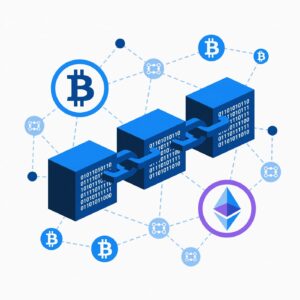
To understand why blockchain is valuable outside of finance, it is essential to look at the underlying mechanics that make it unique. Traditional databases are usually centralized, meaning a single entity—such as a corporation, government, or bank—controls, modifies, and maintains the data. This centralization introduces single points of failure, vulnerabilities to cyberattacks, and the risk of unauthorized data manipulation.
Blockchain solves these structural vulnerabilities through three core pillars:
-
Decentralization: Instead of residing on a single server, a copy of the blockchain ledger is distributed across a peer-to-peer network of computers, known as nodes. Every participant maintains an identical record, eliminating the need for a trusted third-party intermediary.
-
Immutability: Once data is recorded onto a blockchain block and validated by the network, it cannot be altered or deleted retroactively. Any attempt to change historical records would require altering every subsequent block across a majority of the network simultaneously, making tampering computationally impossible.
-
Transparency and Cryptographic Security: Transactions are secured using advanced cryptographic algorithms and grouped into chronologically chained blocks. Every participant with the appropriate permission can view the transaction history, ensuring absolute auditability and trust.
These characteristics create a secure foundation for managing information, transactions, and agreements in environments where traditional trust mechanisms are inefficient, costly, or nonexistent.
Revolutionizing Global Supply Chain Management and Logistics
One of the most profound and mature non-financial applications of blockchain technology is in global supply chains. Modern commerce is staggeringly complex. A single product—such as a smartphone, a pharmaceutical drug, or an organic food item—may pass through dozens of intermediaries, manufacturing plants, shipping ports, customs offices, and warehouses before reaching the end consumer.
This complexity creates massive operational vulnerabilities. Supply chains suffer from a lack of end-to-end visibility, rampant counterfeiting, inefficient paperwork processing, delayed dispute resolutions, and difficulties tracing the exact origin of contaminated or defective goods.
Traceability, Transparency, and Provenance
Blockchain transforms supply chain ecosystems by establishing a single, shared, immutable source of truth for all stakeholders. Every time a product changes hands or crosses a milestone, the event is recorded on the blockchain as a permanent transaction.
-
Authenticity and Anti-Counterfeiting: Luxury goods, aerospace parts, and pharmaceuticals can be embedded with unique cryptographic identifiers or smart tags (such as RFID or NFC chips). Consumers and retailers can instantly verify the authenticity of an item by scanning it, ensuring counterfeit goods are kept out of circulation.
-
Food Safety and Recall Management: In the food industry, tracking the exact farm-to-shelf journey of produce is critical during outbreaks of foodborne illnesses. Traditional tracing methods can take weeks to pinpoint contamination sources. Blockchain-enabled supply chains can trace contaminated food items back to their exact farm of origin in mere seconds, minimizing public health risks and reducing financial waste from blanket recalls.
-
Reducing Administrative Friction: Global shipping relies heavily on physical paperwork, bills of lading, and manual processing, which are prone to loss and human error. Digitizing these documents on a blockchain streamlines customs clearance, reduces administrative costs, and accelerates shipping velocity.
Transforming Healthcare Data Interoperability and Patient Security
The healthcare industry is plagued by data fragmentation. Patient records are typically siloed within individual hospital systems, specialized clinics, and insurance providers. This lack of interoperability leads to dangerous medical errors, delayed treatments, redundant testing, and administrative inefficiencies. Furthermore, healthcare data is a prime target for cybercriminals due to its high monetary value on the black market.
Blockchain technology offers a robust framework for securing medical data while enabling seamless, authorized sharing among healthcare providers.
Secure Electronic Health Records and Patient-Centric Control
By leveraging blockchain architecture, the healthcare sector can achieve unprecedented levels of security and operational efficiency:
-
Unified and Interoperable Patient Files: Patients often see multiple specialists across different healthcare networks. A blockchain-based health data exchange allows authorized medical professionals to access a patient’s complete medical history instantly, regardless of where previous treatments occurred, resulting in more accurate diagnoses and safer treatments.
-
Patient Data Ownership and Consent Management: Instead of hospitals owning and monetizing patient records, blockchain empowers individuals to take control of their own health data. Using cryptographic keys and smart contracts, patients can grant or revoke access to their medical records for specific doctors, researchers, or insurance companies, ensuring privacy compliance with regulations like HIPAA and GDPR.
-
Pharmaceutical Traceability and Drug Verification: Counterfeit prescription drugs pose a severe global health threat. Blockchain tracks pharmaceutical products from manufacturing labs to local pharmacies, ensuring that fake or expired medications never reach vulnerable patients.
-
Clinical Trials Integrity: Clinical research requires absolute data integrity to prevent manipulation or cherry-picking of results. Recording trial data on an immutable blockchain ensures that researchers cannot alter or falsify outcomes, enhancing the credibility of medical breakthroughs.
Redefining Digital Identity Management and Cybersecurity

In an increasingly digital world, proving who you are online remains surprisingly cumbersome and insecure. Users currently rely on a fragmented system of usernames, passwords, multi-factor authentication tools, and identity documents managed by centralized tech giants and government databases. This model creates massive honey pots of personal data that are frequently targeted by devastating data breaches.
Furthermore, billions of people worldwide lack official government-issued identification, locking them out of banking, education, healthcare, and employment opportunities.
Self-Sovereign Identity and Enhanced Privacy
Blockchain introduces the concept of Self-Sovereign Identity (SSI), a paradigm shift that gives individuals absolute ownership and control over their digital identities.
-
Eliminating Centralized Vulnerabilities: Instead of storing personal data on a vulnerable corporate server, SSI allows users to store their credentials securely on their own devices. When verification is required—such as proving age, citizenship, or professional credentials—the user shares only the specific data needed, without exposing underlying sensitive documents.
-
Combating Identity Theft: Because blockchain credentials are cryptographically secured and verified through decentralized networks, malicious actors cannot easily steal, duplicate, or forge digital identities.
-
Streamlining Enterprise Authentication: Businesses can leverage decentralized identity frameworks to manage employee access controls, secure internal networks, and authenticate business-to-business communications without relying on vulnerable third-party identity providers.
Smart Contracts and the Automation of Business Processes
One of the most powerful functional extensions of blockchain technology is the smart contract. Coined by computer scientist Nick Szabo, a smart contract is a self-executing digital program stored on a blockchain that automatically executes predefined actions when predetermined conditions are met.
Traditional contracts require legal intermediaries, manual oversight, and costly enforcement mechanisms to ensure all parties fulfill their obligations. Smart contracts remove human friction and third-party overhead by automating execution entirely through code.
Real-World Use Cases for Smart Contracts
-
Insurance Claims Processing: Traditional insurance claims can involve lengthy investigations, paperwork, and delays. Smart contracts can automate simple claim payouts instantly. For example, travel insurance policies linked to flight tracking APIs can automatically issue compensation payouts to policyholders the moment a flight is officially delayed beyond a specified threshold, without requiring the user to file paperwork.
-
Real Estate Transactions and Escrow: Buying property involves numerous intermediaries, including title companies, escrow agents, lawyers, and banks, all adding fees and time to the closing process. Blockchain streamlines real estate by managing title registries and executing escrow transfers automatically via smart contracts once funds and legal clearances are verified.
-
Intellectual Property and Royalty Distribution: Musicians, artists, writers, and software developers often struggle with delayed or opaque royalty payments from streaming platforms and publishers. Smart contracts can distribute real-time micro-royalties directly to creators the exact moment a digital asset is streamed, purchased, or licensed, ensuring absolute financial transparency.
Energy Grids, Sustainability, and Carbon Credit Tracking
As global industries race toward ambitious net-zero carbon emissions goals, transparency and accountability in environmental initiatives have never been more critical. Traditional carbon offset markets have long suffered from inefficiencies, double-counting of credits, and a lack of verifiable proof regarding environmental impact.
Blockchain technology is emerging as a powerful tool to drive corporate sustainability, optimize energy distribution, and revolutionize carbon credit accounting.
Decentralized Energy Trading and Immutable Carbon Offsets
-
Peer-to-Peer Energy Grids: With the rise of residential solar panels and wind turbines, homeowners and businesses can generate surplus renewable energy. Blockchain-enabled microgrids allow local producers to sell excess clean energy directly to their neighbors automatically and securely via smart contracts, decentralizing power grids and reducing transmission waste.
-
Verifying Carbon Credits: Blockchain creates an immutable registry for carbon credits. Every ton of carbon removed or offset can be tokenized and tracked transparently. This eliminates the risk of fraudulent double-counting—where multiple companies claim the same carbon offset—and builds genuine trust in corporate sustainability commitments.
-
Supply Chain Sustainability Auditing: Brands claiming to use sustainably sourced materials can record verifiable environmental audits directly onto a blockchain, allowing consumers and regulatory bodies to verify eco-friendly claims with absolute certainty.
Intellectual Property and Digital Rights Management in the Creator Economy
The rise of the internet made the reproduction and distribution of digital media effortless, but it simultaneously crippled creators’ ability to protect their intellectual property (IP). Digital files can be copied infinitely, leading to widespread piracy and undervalued creative work.
Blockchain technology provides a robust mechanism for digital scarcity, provenance, and decentralized rights management.
Protecting Creators in the Digital Age
-
Establishing Digital Provenance: Artists, photographers, and writers can timestamp their original creative works onto a blockchain, establishing irrefutable cryptographic proof of authorship and creation date.
-
Combatting Piracy: Blockchain-based registries make it easier to track unauthorized usage and distribution of digital assets across the web, empowering creators to enforce their copyright protections effectively.
-
Empowering Independent Artists: By cutting out massive corporate middlemen, creators can connect directly with their audiences, monetize their work transparently, and retain a significantly larger share of their earnings through automated blockchain payouts.
Overcoming Challenges and Scaling for Mass Adoption

Despite its massive potential, blockchain technology is still evolving, and widespread enterprise adoption faces several significant hurdles that developers and industry leaders must address.
-
Scalability and Transaction Speed: Many traditional public blockchains handle a limited number of transactions per second compared to legacy payment networks like Visa. However, ongoing innovations such as layer-2 scaling solutions, sharding, and alternative consensus mechanisms are rapidly increasing network throughput.
-
Regulatory Uncertainty: Because blockchain operates globally and across borders, regulatory frameworks vary wildly between jurisdictions. Clear, balanced regulations are essential to protect consumers while fostering innovation.
-
User Experience Complexity: Interacting with decentralized systems can be intimidating for non-technical users, requiring complex cryptographic keys and wallet management. Simplifying user interfaces is critical for mainstream adoption.
-
Integration with Legacy Systems: Transitioning legacy enterprise databases and outdated IT infrastructure to modern blockchain architectures requires significant upfront investment, specialized technical talent, and strategic planning.
The Future Landscape of Decentralized Technology
Blockchain technology has matured far beyond its origins as the foundational architecture for digital currencies. While cryptocurrencies captured the world’s imagination, the true long-term value of blockchain lies in its ability to reinvent trust, security, and efficiency across foundational global industries.
By eliminating inefficient middlemen, protecting sensitive data, securing complex supply chains, and automating trust through smart contracts, blockchain is laying the infrastructure for a more transparent, equitable, and efficient digital economy. As technical hurdles are systematically overcome and enterprise adoption accelerates, blockchain will transition from an emerging technological novelty into an invisible, indispensable utility powering the modern world.