Understand how contactless payments work
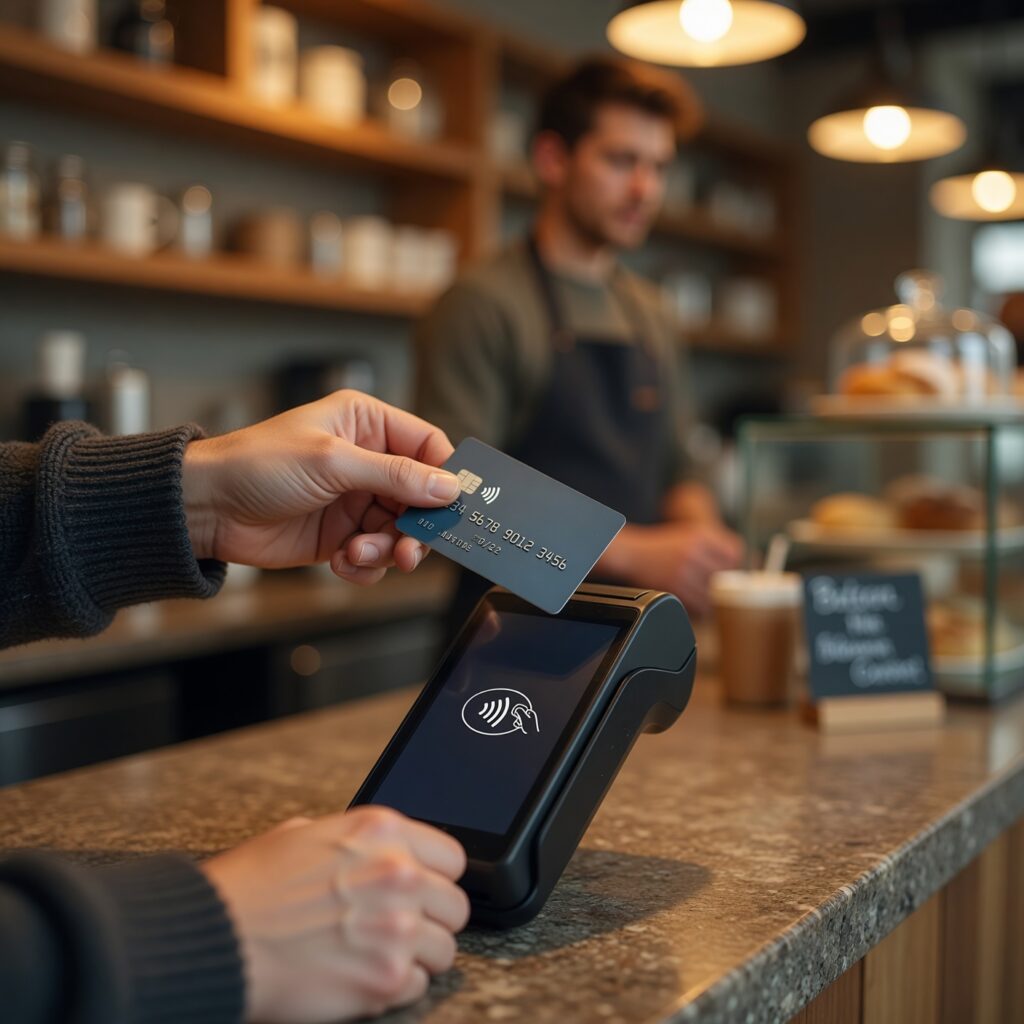
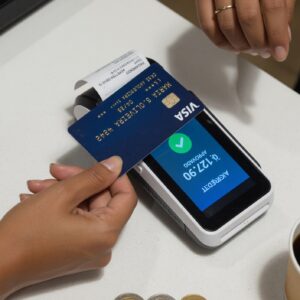
image for illustrative purposes only.
The way we pay for everyday goods has undergone a massive, quiet revolution. Not too long ago, completing a transaction at a retail counter required fishing through a wallet for paper bills, counting out exact change, or swiping a magnetic stripe card and scrawling a signature on a paper receipt. Today, the process is almost magical: you simply wave a piece of plastic, a smartphone, or even a smartwatch over a payment terminal, listen for a cheerful beep, and walk away with your purchase.
This seamless experience is known as contactless payment, often referred to as tap-to-pay. Whether you are rushing through a busy subway turnstile, buying groceries, or grabbing your morning coffee, contactless technology has quickly shifted from a futuristic luxury to an absolute everyday necessity.
Despite its widespread adoption, many consumers still harbor deep questions about the underlying mechanics of these transactions. How does a plastic card transmit financial information through thin air? Is the data safe from roving digital pickpockets? What happens behind the scenes to ensure your hard-earned money moves safely from your bank account to the merchant?
Let us demystify the tech, dive into the security frameworks, and explore how contactless payments are reshaping the global financial landscape.
The Core Technology: Understanding NFC and RFID in Modern Banking
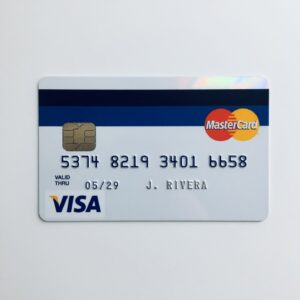
To understand how contactless payments function, we have to look at the invisible wireless highways that make them possible. The foundational framework relies on two closely related forms of wireless communication: Radio Frequency Identification (RFID) and Near Field Communication (NFC).
What is RFID and How Does It Apply to Credit Cards?
RFID is a broad category of technology that uses radio waves to automatically identify and track tags attached to objects. If you have ever used an electronic toll pass on your car’s windshield or worked in an office building that requires a scanning key fob to unlock doors, you have interacted with RFID.
Inside a modern contactless credit or debit card sits a microscopic RFID chip attached to a tiny, coiled wire antenna running along the inner perimeter of the plastic. This chip remains completely dormant until it comes into contact with a specific type of energy.
What is NFC and How Does It Differ?
NFC is a highly specialized, fine-tuned evolutionary branch of RFID. While standard RFID tags can often be read from dozens of feet away (which is great for tracking inventory in a massive warehouse), NFC is intentionally designed for incredibly short-range communication.
For an NFC connection to establish, the two devices—the payment terminal and your card or smartphone—must be placed within a maximum distance of about two inches (four centimeters) from one another. This extremely tight proximity requirement is a deliberate security feature. It ensures that you cannot accidentally pay for someone else’s items simply by walking past a checkout counter.
When you hold your card up to an NFC-enabled point-of-sale (POS) terminal, the terminal emits a low-power electromagnetic field. This field wirelessly powers up the microscopic chip inside your card through electromagnetic induction. Once awake, the card and the terminal instantly conduct a high-speed digital handshake, exchanging encrypted transactional data within a fraction of a single second.
Tokenization: The Invisible Encryption Armor That Protects Your Real Card Data
Easily the most common fear surrounding tap-to-pay technology is the vulnerability of data interception. Many people assume that because the transaction happens over the air, a nearby criminal equipped with a hidden antenna could easily intercept the signal and steal their 16-digit credit card number, name, and expiration date.
Fortunately, the architects of modern payment networks anticipated this vulnerability. Contactless payments do not transmit your actual credit card details. Instead, they rely on a revolutionary cybersecurity process known as tokenization.
The Anatomy of a Secure Digital Token
When you tap your physical card, or use a mobile wallet profile, the software completely hides your real primary account number (PAN). Instead, the system replaces your sensitive information with a completely randomized, unique string of alphanumeric characters called a token.
This token acts as a placeholder for that specific transaction, that specific merchant, and that exact millisecond in time.
| Traditional Card Transaction (Magnetic Stripe) | Modern Contactless Transaction (NFC + Tokenization) |
| Transmits fixed, static account numbers. | Transmits dynamic, one-time use security tokens. |
| Vulnerable to hardware cloning and skimming. | Immune to cloning; intercepted tokens cannot be reused. |
| Exposes the CVV security code permanently. | Generates a unique, one-time cryptographic signature. |
| Requires physical insertion or swiping. | Completed entirely through short-range airwaves. |
Why Intercepted Contactless Data is Completely Useless to Thieves
Imagine a brilliant cybercriminal builds a highly powerful wireless sniffer and successfully captures the data broadcast during your contactless payment at a local restaurant. What do they actually get? They receive a randomized token and a temporary, one-time cryptographic digital signature generated by your card’s internal processor.
If the thief tries to take that stolen token and use it to buy a laptop online, or attempts to hard-code it onto a blank plastic card, the payment processing network will immediately reject the transaction. The system recognizes that the specific token has already been validated and expired, rendering the harvested information entirely worthless. Tokenization effectively neutralizes the economic incentive for digital pickpocketing.
Mobile Wallets vs. Contactless Cards: Which Option Offers Superior Protection?
While a physical contactless card is remarkably secure, shifting your payment routine over to smartphone-based mobile wallets—such as Apple Pay, Google Wallet, or Samsung Pay—unlocks an even deeper, multi-layered fortress of personal financial security.
Mobile wallets utilize the exact same underlying NFC terminals that physical cards use, but they add critical hardware and software security layers that a flat piece of plastic simply cannot replicate.
Biometric Verification (Two-Factor Authentication)
If you lose a physical contactless credit card on the street, an opportunistic stranger could pick it up, walk into a retail store, and successfully tap it to purchase small-ticket items before you have a chance to log into your banking app and lock the account.
With a mobile wallet, this scenario is a physical impossibility. Before your smartphone’s NFC chip is permitted to transmit a payment token, the device demands physical verification from the rightful owner. You must authenticate the purchase using:
-
Facial Recognition (FaceID): Scanning your unique biological facial markers.
-
Fingerprint Scanning (TouchID): Verifying your unique thumb or fingerprint print.
-
Secure Passcodes: Entering a highly complex, device-specific PIN.
If an unauthorized person finds your phone, they cannot buy so much as a pack of gum using your mobile wallet, because they cannot pass the biometric security gateway.
The Secure Element Hardware Chip
Smartphones designed for mobile payments feature a completely isolated, military-grade hardware chip built directly into the phone’s motherboard, commonly referred to as the Secure Element (SE).
This chip operates entirely independently from the phone’s main operating system (Android or iOS). It is heavily sandboxed, meaning apps, mobile web browsers, and even malicious malware strains cannot peer inside it. Your real credit card numbers are locked inside this vault at the hardware level, ensuring they are never exposed to the internet or the device’s general memory banks.
The Lightning-Fast Path of a Tap: What Happens Behind the Scenes in Under a Second
To appreciate the immense engineering triumph of modern contactless networks, it helps to dissect the journey your transaction takes. To the consumer, a tap feels instantaneous. In reality, the moment that terminal beeps, a complex, global data relay occurs, bouncing across continents and security centers in roughly 300 to 500 milliseconds.
[Your Card / Phone] ---> (POS Terminal) ---> [Acquiring Bank / Processor]
                                                       |
[Your Bank / Issuer] <--- (Card Network: Visa/MC) <----+
-
Initiation: The merchant enters the sale amount. The terminal screen lights up, inviting you to pay. You place your device within the two-inch NFC radius.
-
The Cryptographic Challenge: The terminal powers your card’s antenna or pings your phone’s Secure Element. The card generates a brand-new token alongside an encrypted cryptographic authorization request.
-
The Gateway Sprint: The terminal bundles this token and pushes it through the internet to the merchant’s payment processor (known in banking as the acquiring bank).
-
The Network Route: The acquiring bank instantly passes the encrypted package over to the major global card network rails (such as Visa, Mastercard, American Express, or Discover).
-
The Ultimate Validation: The card network routes the request directly to your personal bank (the issuing bank). Your bank checks the cryptographic signature to ensure it is authentic, confirms your account possesses enough available credit or funds to cover the price tag, and flags the transaction as approved.
-
The Return Journey: The approval message sprints back down the exact same highway, flashing a success message onto the store’s register screen and printing your receipt.
All of this happens faster than the blink of a human eye, demonstrating the staggering speed of modern cloud computing and financial architecture.
Debunking the Myths: Separating Contactless Payment Facts from Internet Fiction
As with any highly widespread technological advancement, contactless payments have spawned their fair share of urban legends, viral scare videos, and misinformation across social media platforms. Dismantling these myths is essential for building a confident, stress-free relationship with your digital wallet.
Myth 1: Thieves Can Walk Through Crowds with POS Terminals and Secretly Drain Accounts
You may have seen viral videos showing a person walking through a crowded subway car with a commercial payment terminal, bumping it against people’s back pockets, and successfully collecting money from their hidden wallets. While this makes for great clickbait, it is practically impossible in the real world.
To collect funds through a commercial payment merchant account, a business must register with a processing bank and provide comprehensive legal documentation, including tax identification numbers, physical corporate addresses, and verified identity records. If a rogue individual tried to walk around a city scanning random pockets, every single transaction would be tied directly to their personal or business bank account. The moment victims noticed the weird charges, the funds would be instantly frozen, and law enforcement would have a direct paper trail leading straight to the perpetrator.
Myth 2: If I Stand Too Close to a Terminal, It Will Double-Charge Me
Consumers occasionally worry that if they stand near a cash register while talking to a cashier, the machine might accidentally read their card twice, billing them double for a single purchase.
NFC protocols feature an ironclad anti-collision algorithm. This means that a terminal can only communicate with one single payment device at a time. Furthermore, the moment a transaction is successfully authorized, the terminal completely shuts down its active payment cycle. The cashier must manually open an entirely new transaction loop before the machine will even consider emitting another wireless payment prompt.
Myth 3: If My Card is Stolen, Scammers Can Buy a Car Using Tap-to-Pay
Another common misconception is that contactless cards allow unlimited, massive spending sprees without any verification. To protect consumers from catastrophic losses, banking regulators around the world enforce strict contactless spending limits.
For transactions exceeding a specific threshold (which varies by region but is routinely capped around $100 to $200), the terminal will automatically stop the contactless process and force the user to either enter their physical four-digit PIN or insert the card to verify ownership. Additionally, bank fraud algorithms track consecutive contactless taps; if a card is tapped repeatedly in a short period at radically different locations, the system triggers an automatic security block until you verify your identity.
Financial Inclusion and Efficiency: The Broad Societal Impact of Tap Technology
Contactless payment is not merely a convenience tool designed to save a few seconds at the checkout counter; it is a powerful macroeconomic catalyst driving massive societal changes and economic efficiencies across the globe.
Transforming Public Infrastructure and Transit
One of the most profound impacts of contactless payments can be witnessed in urban public transportation networks. Major cosmopolitan transit authorities have systematically phased out proprietary paper tickets and plastic transit cards in favor of open-loop contactless terminals directly on subway turnstiles and city buses.
By allowing commuters to simply tap their standard bank cards or smartphones to board a train, transit authorities drastically reduce the staggering overhead costs associated with manufacturing tickets, servicing bulky vending machines, and managing massive cash collection logistics. For commuters, it eliminates the frustration of waiting in long lines to reload transit balances, dramatically streamlining the daily flow of millions of citizens through dense urban centers.
Boosting Small Business Revenue and Micro-Commerce
In the past, independent service providers—such as market vendors, street performers, hairstylists, and independent contractors—faced massive barriers to accepting plastic cards due to the expensive hardware costs of traditional POS terminals.
The advent of software-driven NFC solutions has democratized card acceptance. Modern smartphones are now equipped with “Tap-to-Phone” capabilities, enabling micro-entrepreneurs to transform their standard consumer mobile devices into fully operational payment terminals without purchasing any extra hardware. This rapid reduction in friction allows cash-only operations to easily capture digital sales, boosting overall economic velocity and opening up new revenue streams for small businesses.
Maximizing Your Security: Practical Tips for a Flawless Tap-to-Pay Routine

Now that you possess an expert-level understanding of how tokenized wireless payments operate, you can implement a few highly practical, daily habits to ensure your financial transactions remain completely bulletproof.
-
Audit Your Bank Settings for Custom Alerts: Log into your personal credit card or banking app and activate instant push notifications for every transaction. The moment your account is tapped or charged anywhere on earth, your phone should instantly alert you to the exact dollar amount. This guarantees that if a card is ever lost or compromised, you will know within seconds, allowing you to freeze the account before any meaningful damage occurs.
-
Keep Your Operating Systems Updated: If you prefer utilizing mobile wallets, make it an absolute priority to install software and security patches for your smartphone’s operating system the moment they are released. These updates frequently contain crucial security enhancements that fortify the isolated hardware vaults protecting your digital financial assets.
-
Declutter Your Physical Wallet: If you carry multiple contactless cards wrapped tightly together in your wallet, you might experience “card clash” at payment terminals, where the machine gets confused trying to read multiple signals simultaneously. Keep your primary daily payment card in an easily accessible slot, or transition those accounts entirely over to your mobile device to eliminate physical wallet clutter completely.
The shift toward contactless infrastructure represents a massive leap forward for consumer finance. By blending the physical ease of a short-range radio wave handshake with the highly sophisticated, dynamic protection of digital tokenization, tap-to-pay networks have managed to achieve a rare feat in the technology world: making an everyday process significantly more convenient while simultaneously making it vastly more secure.
As we charge forward into an increasingly cashless future, understanding and embracing these invisible security shields allows you to navigate the modern marketplace with complete financial confidence, keeping your transactions lightning-fast and your hard-earned assets thoroughly protected.