The largest NYSE companies to invest in
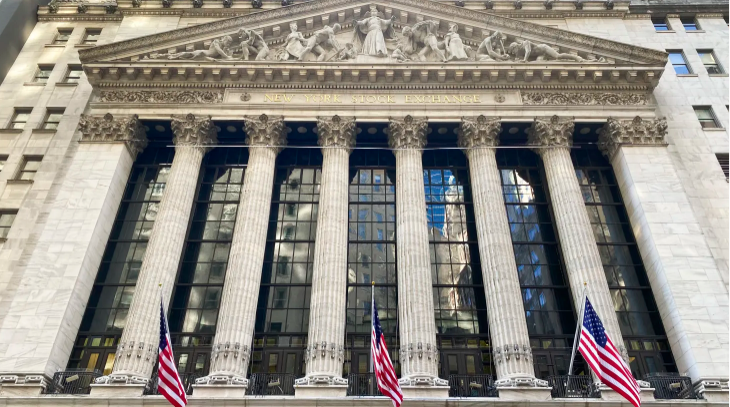
This comprehensive guide examines the largest and most influential companies listed on the NYSE, analyzing their business models, competitive advantages, financial health, and strategic role within a diversified investment portfolio.
Understanding the NYSE Advantage: Market Capitalization, Moats, and Liquidity
Before examining individual stock selections, it is essential to understand why mega-cap companies on the NYSE hold a distinct position in equity markets.
What Defines a Mega-Cap Blue-Chip Company?
A mega-cap stock is typically defined as a publicly traded corporation with a market capitalization exceeding $200 billion. On the NYSE, many of these entities comfortably surpass $500 billion, with top-tier members breaking into the trillion-dollar club. These organizations share several defining characteristics:
- Dominant Market Share: They control significant percentages of their respective global or domestic markets.
- Pricing Power: Their strong brand equity, essential services, or proprietary technology allow them to adjust prices alongside inflation without sacrificing demand.
- Robust Cash Flow Generation: They produce billions in operating cash flow annually, allowing for continuous reinvestment, research and development, debt reduction, and shareholder returns through dividends and share buybacks.
- Institutional Backing: Institutional investors, including sovereign wealth funds, pension funds, and mutual funds, hold substantial stakes, providing liquidity and price stability.
The Strategic Importance of the NYSE Listing
Unlike platforms historically favored by early-stage growth companies, the NYSE has long maintained strict listing standards. Companies traded here represent established corporate structures with global operations. For investors seeking long-term compound growth with reduced volatility, NYSE mega-caps form an ideal core holding.
Berkshire Hathaway: The Ultimate Diversified Powerhouse

Overview and Market Position
Helmed for decades by Warren Buffett, Berkshire Hathaway is a multi-sector holding company headquartered in Omaha, Nebraska. It stands as one of the largest non-tech enterprises listed on the NYSE. The company operates across a vast array of industries, ranging from property and casualty insurance to freight rail transportation, utility services, manufacturing, and retail.
Core Business Pillars
Berkshire Hathaway’s business model revolves around its core insurance operations, including GEICO, Berkshire Hathaway Reinsurance Group, and General Re. The cash generated from insurance premiums before claims are paid—known as the insurance “float”—provides low-cost capital that management allocates into high-performing acquisitions and publicly traded equities.
Beyond insurance, Berkshire owns major industrial and infrastructure assets:
- BNSF Railway: One of North America’s largest freight railroad networks, transporting essential agricultural, industrial, and consumer goods.
- Berkshire Hathaway Energy (BHE): A global energy provider managing significant regulated electric and gas utilities alongside renewable energy projects.
- Manufacturing, Service, and Retailing: A collection of subsidiaries including Precision Castparts, Lubrizol, Marmon, and Duracell.
Investment Thesis and Competitive Moat
Berkshire Hathaway functions much like a self-managed, tax-efficient equity fund with built-in operating businesses. Its competitive advantage lies in its immense liquidity, disciplined capital allocation, and diversified revenue streams. Because Berkshire rarely pays dividends, it reinvests all excess cash back into earnings-accretive opportunities.
For risk-averse long-term investors, Berkshire Hathaway represents a resilient core portfolio holding capable of outperforming during broader market downturns due to its conservative balance sheet and substantial cash reserves.
Taiwan Semiconductor Manufacturing Company: The Infrastructure of Global Tech

Overview and Market Position
Taiwan Semiconductor Manufacturing Company (TSMC) trades on the NYSE via American Depositary Receipts (ADRs). While semiconductor design firms often attract public attention, TSMC is the world’s largest and most advanced dedicated semiconductor foundry. It manufactures microchips for the global tech elite, including Apple, NVIDIA, AMD, Qualcomm, and Broadcom.
Technology Leadership and Foundry Model
TSMC pioneered the pure-play semiconductor foundry business model, choosing never to design or market chips under its own brand name. This strategy ensures it never competes with its customers.
TSMC’s dominance stems from its technological lead in advanced process nodes (such as 3-nanometer and 2-nanometer production lines). Manufacturing cutting-edge microchips requires tens of billions of dollars in annual capital expenditures, ultra-precise extreme ultraviolet (EUV) lithography equipment, and decades of operational expertise.
Investment Thesis and Competitive Moat
As artificial intelligence, high-performance computing, automotive electronics, and mobile technology expand globally, demand for advanced silicon continues to climb. TSMC’s competitive moat is virtually insurmountable due to the capital intensity required to build competing fabrication facilities (fabs).
While geopolitical considerations around semiconductor supply chains remain a factor for investors to monitor, TSMC’s aggressive geographical expansion—building advanced facilities in the United States, Japan, and Europe—helps mitigate concentration risks while cementing its status as an indispensable global asset.
Eli Lilly and Company: Pioneering Healthcare Innovation

Overview and Market Position
Eli Lilly and Company is a global pharmaceutical leader with a legacy spanning over a century. Headquartered in Indianapolis, Indiana, Eli Lilly has evolved into one of the most valuable healthcare entities on the NYSE, propelled by breakthrough developments in metabolic diseases, oncology, immunology, and neuroscience.
Growth Drivers: Diabetes, Obesity, and Beyond
The primary catalyst behind Eli Lilly’s growth trajectory is its pioneering work in incretin-based therapies. Key drugs like tirzepatide (marketed as Mounjaro for type 2 diabetes and Zepbound for chronic weight management) have reshaped the pharmaceutical landscape.
Beyond its metabolic franchise, Eli Lilly maintains a diversified product pipeline:
- Oncology: Targeted therapies for breast cancer, lung cancer, and hematologic malignancies.
- Neuroscience: Novel treatments targeting Alzheimer’s disease and neurodegenerative conditions.
- Immunology: Advanced treatments for autoimmune diseases, including rheumatoid arthritis and ulcerative colitis.
Investment Thesis and Competitive Moat
Pharmaceutical investing hinges on patent protection, scientific innovation, and commercial execution. Eli Lilly excels across all three. Its proprietary clinical research, robust intellectual property portfolio, and scale give it significant pricing power and global distribution advantages.
With global demand for metabolic and weight-loss treatments expanding rapidly, Eli Lilly is well-positioned to generate high-margin revenue for years to come, funding further pipeline discoveries and shareholder returns.
JPMorgan Chase & Co.: The Uncontested Leader in Global Banking
Overview and Market Position
JPMorgan Chase & Co. is the largest bank in the United States by assets and a dominant force in global financial services. Led by CEO Jamie Dimon, the bank operates across four main business segments: Consumer & Community Banking, Corporate & Investment Bank, Commercial Banking, and Asset & Wealth Management.
Financial Strength and Scale Economies
JPMorgan Chase benefits from a fortress balance sheet, maintaining strong capital ratios well in excess of regulatory requirements. Its vast deposit base provides a low-cost source of funding, while its technological investments—spending over $15 billion annually on tech infrastructure—allow it to continuously modernize its digital banking services and cybersecurity platforms.
Key operational highlights include:
- Investment Banking: Top-tier market share in global M&A advisory, equity underwriting, and debt issuance.
- Asset Management: Trillions in assets under management, generating consistent fee-based revenue.
- Consumer Banking: Millions of retail customers utilizing its branch networks and industry-leading credit card products.
Investment Thesis and Competitive Moat
JPMorgan Chase has consistently demonstrated an ability to navigate complex macroeconomic environments, expanding its market share during period of banking sector turbulence. Its moat is built on network effects, customer switching costs, regulatory barriers to entry, and scale economies that smaller regional banks cannot match.
For investors seeking financial sector exposure, JPMorgan Chase offers an attractive combination of earnings stability, dividend growth, and disciplined leadership.
Walmart Inc.: Omnichannel Retail Mastery and Consumer Stability
Overview and Market Position
Walmart Inc. is the world’s largest retailer by revenue, operating a massive footprint of discount stores, supercenters, and Sam’s Club warehouse locations globally. Long recognized as a defensive retail staple, Walmart has successfully transformed itself into an omnichannel retail power, integrating physical stores with digital commerce and logistics networks.
Strategic Evolution: E-Commerce, Advertising, and Services
Walmart’s growth strategy extends beyond traditional brick-and-mortar sales:
- Omnichannel Fulfillment: Utilizing its physical locations as localized distribution hubs for grocery pickup and delivery, significantly lowering last-mile delivery costs.
- High-Margin Revenue Streams: Expanding Walmart Connect, its retail media advertising business, alongside third-party marketplace seller fees and financial service offerings.
- Automated Logistics: Investing heavily in supply chain automation and AI-driven inventory management to optimize operating margins.
Investment Thesis and Competitive Moat
Walmart’s key competitive moat is its unmatched scale and supply chain efficiency. Its ability to negotiate favorable terms with suppliers enables it to offer low prices to consumers regardless of economic conditions. During inflationary cycles, Walmart attracts higher-income demographic groups seeking value, expanding its customer base.
As a consistent dividend payer with decades of annual increases, Walmart provides equity portfolios with downside protection, predictable cash flows, and inflation-resilient demand.
Visa Inc.: Capitalizing on Cashless Commerce
Overview and Market Position
Visa Inc. operates the world’s largest electronic payments network, facilitating digital transactions across more than 200 countries and territories. Rather than extending credit or issuing loans directly—which carries credit default risk—Visa operates purely as a tollbooth for digital financial transactions.
The Payment Processing Business Model
Every time a consumer swipes, taps, or enters a Visa-branded card number online, Visa earns a small transaction fee. The company processes thousands of transactions per second across its proprietary network, VisaNet.
Key advantages of this model include:
- Zero Credit Risk: Financial institutions (banks) issue the cards and hold the underlying credit risk; Visa simply routes the data and settles the transaction.
- Exceptional Operating Margins: Because the core network infrastructure is already built, incremental transactions cost very little to process, resulting in operating margins frequently exceeding 50%.
- Inflation Hedge: Since transaction fees are tied to total dollar volume, higher nominal prices due to inflation directly increase Visa’s fee revenue.
Investment Thesis and Competitive Moat
Visa’s competitive advantage relies on a classic two-sided network effect. Merchants accept Visa because millions of cardholders carry it; consumers hold Visa cards because virtually every merchant accepts them. Building a competing global payment network would require immense capital expenditure and regulatory approvals.
With global cash usage continuing to decline in favor of contactless payments, mobile wallets, and cross-border e-commerce, Visa remains a premier compound growth engine on the NYSE.
Exxon Mobil Corporation: Free Cash Flow and Capital Discipline
Overview and Market Position
Exxon Mobil Corporation is one of the world’s largest integrated energy companies. Headquartered in Spring, Texas, Exxon Mobil engages in the exploration, production, refining, transport, and marketing of crude oil, natural gas, and petrochemical products worldwide.
Operational Resilience and Portfolio Quality
Exxon Mobil has retooled its operating structure to thrive in volatile commodity price environments. By focusing capital expenditures on low-cost-of-supply assets—such as deepwater developments in Guyana and unconventional plays in the Permian Basin—Exxon has lowered its average breakeven oil price significantly.
Key structural segments include:
- Upstream: Global oil and natural gas extraction with long-life, low-cost asset bases.
- Downstream & Energy Products: Advanced refining facilities producing transportation fuels, lubricants, and feedstocks.
- Chemical Products: High-performance polymers and specialty chemicals used across global manufacturing.
Investment Thesis and Competitive Moat
While energy markets undergo structural evolution, global demand for affordable, reliable energy continues to grow. Exxon Mobil provides an essential hedge against macroeconomic inflation and supply disruptions. The company’s commitment to capital discipline, balance sheet strength, and returning capital to shareholders through growing dividends and share repurchases makes it a top choice for energy allocation on the NYSE.
UnitedHealth Group Incorporated: Structural Dominance in Managed Care

Overview and Market Position
UnitedHealth Group Incorporated is the largest healthcare enterprise in the United States, providing health insurance coverage, technology services, and clinical care services to tens of millions of individuals.
The Power of the Dual-Engine Model
UnitedHealth Group operates through two distinct yet synergistic business platforms:
- UnitedHealthcare: The health benefits platform, delivering employer-sponsored, individual, Medicare, and Medicaid healthcare plans.
- Optum: The health services platform, comprising OptumRx (pharmacy benefit management), OptumInsight (data analytics and healthcare IT), and OptumHealth (direct primary and ambulatory clinical care).
This dual-engine structure creates a self-reinforcing ecosystem. Optum’s technology and clinical care networks improve healthcare outcomes and lower care delivery costs, directly benefiting UnitedHealthcare’s insurance margins.
Investment Thesis and Competitive Moat
Healthcare spending represents a substantial portion of total US GDP, driven by aging demographic trends and chronic disease management. UnitedHealth Group’s size, proprietary data analytics capabilities, and vertically integrated care delivery model create strong barriers to entry.
The company’s stable earnings growth, strong return on invested capital (ROIC), and consistent dividend increases make it a favorite among long-term institutional investors seeking low-volatility healthcare exposure.
Procter & Gamble Co.: The Gold Standard of Defensive Income
Overview and Market Position
The Procter & Gamble Company (P&G) is a global consumer packaged goods titan holding market-leading positions across personal healthcare, grooming, baby care, feminine care, and home care. Its portfolio features household brand names such as Tide, Pampers, Crest, Gillette, Downy, and Bounty.
Brand Strength and Productivity Execution
P&G’s core strength lies in daily-use consumer products that consumers purchase regardless of macroeconomic trends. During economic contractions, consumers continue to buy detergent, toothpaste, and paper towels, rendering P&G exceptionally defensive.
P&G maintains its market leadership through:
- Product Superiority: Investing heavily in performance differentiation so consumers see value in purchasing name brands over private-label alternatives.
- Supply Chain Modernization: Continuous cost savings programs that reduce manufacturing expenses and enhance operating margins.
- Global Distribution Channels: Unmatched relationships with mass retailers, grocery stores, e-commerce platforms, and pharmacies globally.
Investment Thesis and Competitive Moat
Procter & Gamble is a member of the Dividend Kings—companies that have increased their annual dividend payouts for over 60 consecutive years. Its moat is rooted in deep customer loyalty, massive marketing budgets, and supply chain scale. For conservative investors prioritizing income safety and portfolio stabilization, P&G remains a foundational asset.
Comparative Matrix: Top NYSE Companies at a Glance
To better evaluate how these industry leaders fit into an overall investment strategy, the table below highlights their respective sectors, primary competitive moats, and core investment attributes:
| Company Name | Ticker | Primary Sector | Primary Competitive Moat | Core Investment Profile |
|---|---|---|---|---|
| Berkshire Hathaway | BRK.B | Financials / Conglomerate | Insurance Float & Capital Allocation | Capital Preservation & Low Volatility Growth |
| Taiwan Semiconductor | TSM | Technology / Semiconductors | Advanced Process Technology & Scale | High-Growth Tech Infrastructure |
| Eli Lilly and Co. | LLY | Healthcare / Pharmaceuticals | Intellectual Property & Pipeline | High Growth & Pharmaceutical Innovation |
| JPMorgan Chase & Co. | JPM | Financial Services | Scale Economies & Switching Costs | Value, Growth & Financial Stability |
| Walmart Inc. | WMT | Consumer Staples / Retail | Cost Leadership & Supply Chain Scale | Defensive Dividend Growth & E-Commerce |
| Visa Inc. | V | Financial Technology | Two-Sided Network Effects | High-Margin Compound Growth |
| Exxon Mobil Corp. | XOM | Energy / Integrated Oil | Low Cost-of-Supply Asset Base | High Cash Flow & Inflation Hedge |
| UnitedHealth Group | UNH | Healthcare / Managed Care | Vertical Integration & Data Analytics | Steady Secular Growth & Income |
| Procter & Gamble Co. | PG | Consumer Staples | Brand Equity & Pricing Power | Income Safety & Dividend Royalty |
Strategic Framework: How to Evaluate NYSE Mega-Cap Stocks
When selecting market-leading stocks on the NYSE, investors should apply a structured valuation and fundamental analysis framework rather than relying purely on company size.
1. Free Cash Flow Yield vs. Earnings
While Price-to-Earnings (P/E) ratios offer a quick snapshot of valuation, Free Cash Flow (FCF) yield provides a clearer view of a company’s financial flexibility. FCF represents the actual cash a business generates after accounting for capital expenditures necessary to maintain or expand its asset base. Companies with high, growing FCF yields have the flexibility to fund buybacks, increase dividends, and make strategic acquisitions without taking on excess debt.
2. Return on Invested Capital (ROIC)
ROIC measures how efficiently a company’s management team allocates capital to generate profits. An ROIC consistently exceeding the company’s Weighted Average Cost of Capital (WACC) is the primary sign of an enduring economic moat. Businesses like Visa and TSMC achieve exceptional ROIC because their operational models generate outsized returns on new investments.
3. Debt Maturity and Interest Coverage
Even mega-cap corporations must manage debt effectively. Investors should review:
- Net Debt-to-EBITDA: Measuring overall leverage against annual operating earnings.
- Interest Coverage Ratio: Evaluating how easily EBIT (Earnings Before Interest and Taxes) covers annual interest obligations.
- Fixed-Rate Debt Profiles: High-quality NYSE companies lock in long-term, fixed-rate debt to protect cash flows from rising interest rate cycles.
4. Dividend Growth History and Payout Ratios
For dividend-focused investors, a high dividend yield is less important than dividend safety and dividend growth rate. A sustainable payout ratio (typically under 60% for non-utility corporations) ensures that the company retains sufficient earnings to fund future growth initiatives while maintaining payout increases during minor economic recessions.
Portfolio Construction: Balancing NYSE Heavyweights for Wealth Accumulation
Building a durable equity portfolio requires intentional asset allocation. Relying exclusively on one sector—such as technology or healthcare—exposes capital to regulatory shifts, cyclical downturns, and sector rotation risks.
Core-and-Explore Portfolio Architecture
A balanced investment portfolio often utilizes NYSE mega-caps as its “Core” foundation:
- Defensive Core (40% – 50% Allocation): Holdings like Walmart, Procter & Gamble, UnitedHealth, and Berkshire Hathaway provide portfolio ballast. Their financial models perform reliably during economic slowdowns, helping limit overall portfolio drawdowns.
- Growth Compounders (30% – 40% Allocation): Holdings like TSMC, Eli Lilly, and Visa offer higher secular growth potential driven by digital transformation, healthcare breakthroughs, and expanding transaction volumes.
- Cyclical & Dividend Yield Anchors (10% – 20% Allocation): Companies like JPMorgan Chase and Exxon Mobil offer financial value, cash flow yields, and inflation hedging capabilities.
Dollar-Cost Averaging and Rebalancing
Because mega-cap equity prices fluctuate based on market sentiment and broader interest rate movements, employing a dollar-cost averaging (DCA) strategy allows investors to build positions over time. Investing fixed amounts at regular intervals lowers average purchase costs during temporary market pullbacks.
Additionally, annual portfolio rebalancing ensures that outperforming holdings do not create unintended concentration risk, allowing gains to be systematically locked in and reallocated into undervalued blue-chip opportunities.
Macroeconomic Factors to Watch When Investing in NYSE Giants

While NYSE mega-caps possess significant operational resilience, investors should track several macro variables:
1. Interest Rate Trends and Cost of Capital
Monetary policy decisions affect equity valuations in two primary ways: discounting future corporate cash flows and setting interest rates for refinancing corporate debt. High interest rate environments elevate borrowing costs, favoring companies with substantial cash reserves (such as Berkshire Hathaway) over capital-intensive entities reliant on high debt loads.
2. Geopolitical and Currency Headwinds
Because the largest NYSE companies operate internationally, foreign exchange fluctuations can impact reported corporate earnings. A strong US Dollar reduces the value of revenues earned overseas when converted back into domestic currency. Furthermore, trade policy changes and supply chain shifts require close monitoring for companies with global operational footprints like TSMC and Walmart.
3. Regulatory and Antitrust Scrutiny
Due to their dominant market share, mega-cap companies frequently face regulatory evaluation. Healthcare providers, payment processing networks, and major financial institutions operate within evolving legal frameworks. Investors must monitor whether regulatory developments threaten a company’s underlying operating model or long-term margin profiles.
Long-Term Wealth Generation via NYSE Leaders
The largest companies listed on the New York Stock Exchange represent the global economy’s central pillars. From the financial governance of JPMorgan Chase and the consumer stability of Walmart to the technological innovation of TSMC and the healthcare advances of Eli Lilly, these enterprises possess the moats, pricing power, and financial capacity necessary to generate long-term value.
By building a disciplined, diversified portfolio around these NYSE giants, investors can construct a resilient wealth generation engine designed to weather short-term market cycles, combat inflation, and capture steady compound growth over the long term.