What Is a Crypto Seed Phrase and Why Is It So Important?
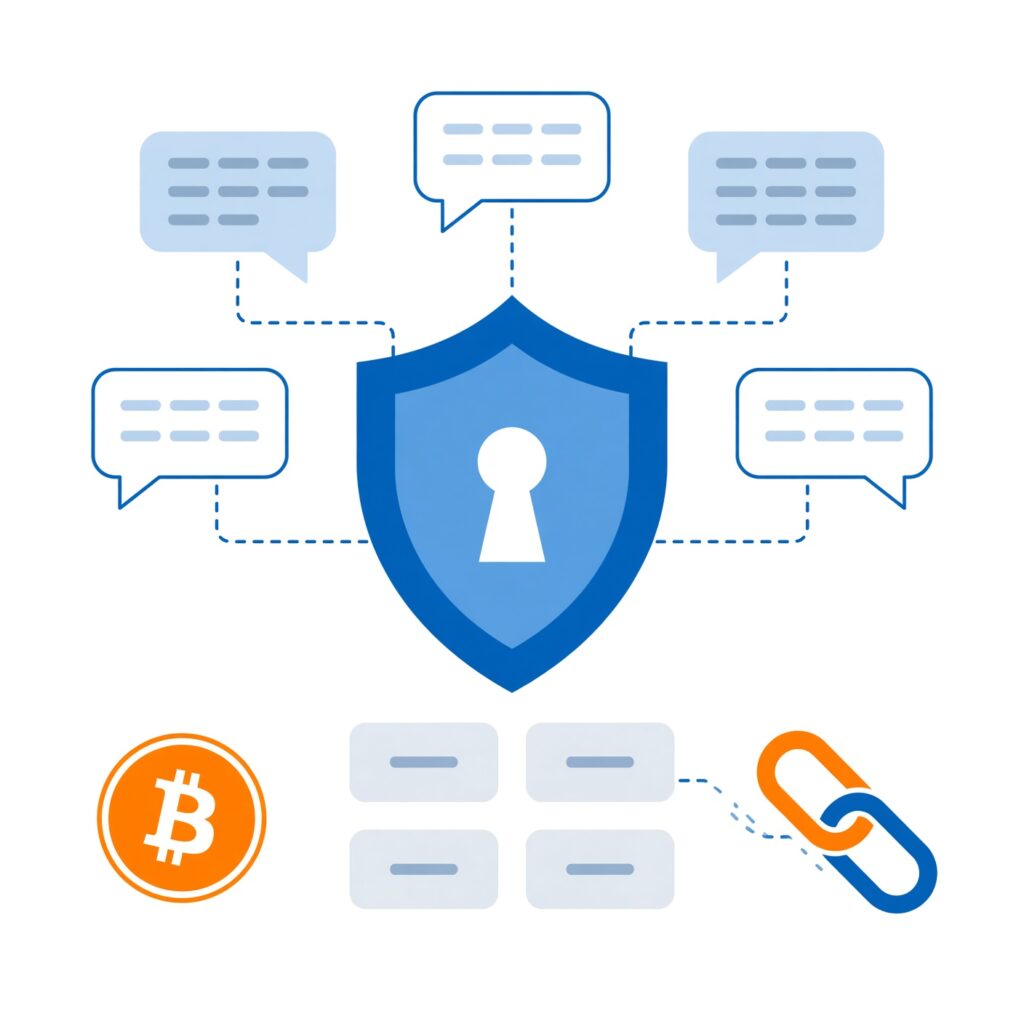
image for illustrative purposes only.
Entering the world of cryptocurrency offers unprecedented financial freedom, but it also places complete responsibility for your digital assets squarely on your shoulders. Unlike traditional banking, where a forgotten password can be reset with a simple phone call or a trip to a local branch, the decentralized nature of crypto means there is no central authority, customer support hotline, or password-recovery department.
At the center of this self-custody model lies a deceptively simple yet powerful security mechanism: the seed phrase. Understanding what a seed phrase is, how it works, and why it represents the absolute foundation of your digital security is essential for anyone holding cryptocurrency in a private wallet.
Understanding the Anatomy of a Crypto Seed Phrase
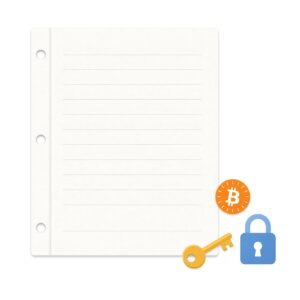
A crypto seed phrase—often referred to as a recovery phrase or backup phrase—is a sequence of 12 to 24 random words generated by your cryptocurrency wallet when you first set it up. These words are not chosen at random by you, nor are they pulled haphazardly from a dictionary; they are generated algorithmically according to a standardized protocol known as BIP39 (Bitcoin Improvement Proposal 39).
To truly understand a seed phrase, you must first dispel a common misconception: your crypto is not actually stored inside your seed phrase, nor is it stored inside your hardware wallet.
Cryptocurrency tokens do not physically live on a device or in a specific file. Instead, they exist entirely on a decentralized public ledger known as a blockchain. Your seed phrase acts as the master key—or the mathematical root—used to generate all the private keys associated with your wallet.
Every single public address and private key you will ever use in that wallet is mathematically derived from your seed phrase. If you lose your wallet device, your private keys vanish from that physical unit, but your funds remain secure on the blockchain. Your seed phrase is the universal master tool capable of regenerating those exact private keys on any compatible device, instantly restoring access to your assets.
How Seed Phrases Work Behind the Scenes: The BIP39 Standard
The invention of the seed phrase revolutionized cryptocurrency usability. In the early days of Bitcoin, users had to back up raw private keys—long, intimidating strings of alphanumeric characters like
L5EzWZv3...—which were remarkably easy to miscopy, lose, or corrupt.In 2013, developers introduced the BIP39 standard to solve this human-error problem. The system relies on a standardized list of 2048 carefully selected English words (though lists exist in other languages as well). These words are chosen because they are distinct from one another, meaning the first four letters of any word are enough to identify it uniquely, minimizing the risk of typos during a manual backup.
When your wallet generates a seed phrase, it actually creates a sequence of random numbers. Each number corresponds to a specific word on the BIP39 master list.
-
The wallet takes a string of random entropy (random data).
-
It runs that data through a cryptographic hash function (SHA-256) to generate a checksum.
-
It breaks the combined data into chunks (usually 11 bits each).
-
Each chunk is mapped to its corresponding word index on the 2048-word list.
Because this mathematical derivation is deterministic, entering the exact same sequence of words into any BIP39-compliant wallet will always produce the exact same private keys and public addresses in the exact same order. This is why you can migrate your wallet from one brand of hardware device to an entirely different software or hardware wallet simply by typing in your seed phrase.
Private Keys Versus Seed Phrases: Knowing the Difference
Many newcomers confuse public keys, private keys, and seed phrases, leading to critical security missteps. To protect your digital wealth, it helps to visualize these components using an analogy: your bank account.
-
Public Key (or Public Address): This is equivalent to your bank account number or routing number. It is safe to share with others so they can send you funds. Anyone on the blockchain can view the balance and transaction history associated with a public address.
-
Private Key: This is equivalent to your digital signature or the password required to authorize a withdrawal from a specific account. If someone obtains your private key, they have absolute control over the funds at that specific address.
-
Seed Phrase: This is the master password or the master key to the entire vault. It generates and controls all of your private keys across multiple blockchains and accounts within that wallet.
If a malicious actor gains access to a single private key, they can steal the funds in that specific address. However, if they gain access to your seed phrase, they can compromise every single asset linked to that wallet across Bitcoin, Ethereum, Solana, and countless other networks. This makes the seed phrase the single most critical vulnerability point in cryptocurrency management.
The Role of Self-Custody and Decentralization
To appreciate why seed phrases are so vital, you must understand the philosophy of self-custody.
When you keep your cryptocurrency on a centralized exchange—such as Coinbase, Kraken, or Binance—you do not actually own the underlying cryptographic keys. The exchange holds the private keys on your behalf, acting much like a traditional commercial bank. While this makes account recovery easy if you forget your password, it introduces counterparty risk: if the exchange suffers a hack, experiences regulatory freezes, or goes bankrupt, your funds can be lost or locked indefinitely.
Self-custody shifts the paradigm entirely. By using a non-custodial wallet (such as a hardware wallet from Ledger or Trezor, or a reputable software wallet like MetaMask or Phantom), you become your own bank. You hold the seed phrase, meaning you hold exclusive control over your assets.
With this absolute freedom comes absolute accountability. There is no customer support representative who can reset your credentials. If you lose your seed phrase and your device breaks, your funds are permanently gone, locked away on an immutable blockchain that recognizes no master other than the correct cryptographic key.
Common Vectors of Seed Phrase Theft and Compromise

Because seed phrases are the ultimate key to crypto wealth, they are the primary target for malicious actors, hackers, and scammers. Understanding how attackers attempt to steal seed phrases is your best defense against losing your funds.
Phishing Websites and Fake Applications
One of the most pervasive attack vectors involves sophisticated phishing campaigns. Scammers create malicious replica websites that mimic popular crypto wallets, decentralized finance (DeFi) protocols, or NFT marketplaces. When you attempt to connect your wallet or resolve a fictional “account error,” the fake interface prompts you to enter your seed phrase. Once typed, your master key is instantly transmitted to the attacker, who empties your wallet within seconds.
Cloud Storage and Digital Screenshots
Many users, seeking convenience, take a digital photo of their written seed phrase or save it in a notes app on their smartphone, a cloud drive (like Google Drive or iCloud), or an email draft. This is a severe security risk. If your email account, cloud storage, or phone is compromised via malware, SIM-swapping, or a data breach, attackers can easily scour your files for keywords associated with crypto seed phrases. A seed phrase should never exist in digital format.
Clipboard Malware and Keyloggers
Advanced malware installed on compromised computers or mobile phones can monitor your clipboard or record your keystrokes. If you ever copy and paste your seed phrase, or type it out on an unsecured device infected with a keylogger, malicious actors can capture the sequence in real time.
Physical Theft and Environmental Exposure
Physical security is just as important as digital security. If you write your seed phrase on a piece of paper and leave it on your desk, anyone who visits your home—cleaners, guests, or opportunistic burglars—can photograph it or take the physical paper. Furthermore, paper is vulnerable to household disasters like fires, floods, and accidental degradation over time.
Best Practices for Storing Your Seed Phrase Securely
Securing a seed phrase requires a shift in mindset away from traditional digital security. Because seed phrases cannot be changed or reset, you must treat your backup with extreme physical and digital paranoia. Implementing robust storage protocols ensures that your assets remain safe for decades.
Never Digitally Expose Your Phrase
The golden rule of crypto security is absolute: never type your seed phrase into any internet-connected device unless you are actively setting up or recovering a wallet. Legitimate wallet developers, customer support agents, and blockchain protocols will never ask you for your seed phrase under any circumstances. Anyone asking for your seed phrase is attempting to steal your funds.
Use Physical, Offline Mediums
Your seed phrase should be recorded exclusively in the physical world, completely detached from the internet.
-
Paper Backups: Writing the words down on archival-grade paper using archival ink is a common starting point. However, paper degrades over time and is susceptible to fire and water damage.
-
Metal Backup Plates: For high-value portfolios, veteran crypto holders utilize stainless steel or titanium backup plates. These heavy-duty stamp or punch kits allow you to hammer or engrave your seed phrase into metal, rendering it virtually indestructible against fires, floods, and corrosion.
Implement Physical Redundancy and Splitting
Consider where you store your physical backup. Keeping your only copy of a seed phrase in a single home safe creates a single point of failure if a fire destroys the property. Many advanced users utilize secure off-site storage—such as a bank safety deposit box or a trusted family member’s secure location—to split or duplicate physical backups.
Advanced cryptographic techniques, such as Shamir’s Secret Sharing (supported by certain advanced hardware wallets), allow you to split your seed phrase into multiple distinct shares, requiring a specific quorum of those shares (e.g., any 2 out of 3 shares) to reconstruct the wallet, ensuring that the compromise of a single physical location does not result in the loss of your funds.
What to Do If Your Seed Phrase Is Compromised
Realizing that your seed phrase has been exposed or compromised is a terrifying experience, but acting quickly can sometimes save your funds before an attacker strips your wallet clean.
If you suspect or know that an unauthorized person has viewed or stolen your seed phrase, you must treat the situation as an active emergency. Follow these steps immediately:
-
Do Not Panic, Move Fast: Attackers often use automated bots programmed to sweep compromised wallets instantly, but fractions of a second matter.
-
Prepare a Secure Destination: Have a secondary, completely secure, uncompromised wallet already set up with its own brand-new, freshly generated seed phrase.
-
Transfer Your Assets Immediately: Log into your compromised wallet and rapidly transfer all of your high-value tokens, cryptocurrencies, and NFTs to the new secure wallet addresses.
-
Prioritize Gas Fees: If you are dealing with blockchain networks that require transaction fees (gas fees), ensure you transfer enough native cryptocurrency (like Ethereum or ETH for ERC-20 tokens) to pay for the transfer transaction of your most valuable assets first.
-
Abandon the Old Wallet: Once your assets are safely transferred, permanently abandon the compromised wallet. Never use that seed phrase again, as any future funds sent to it will be instantly intercepted by the attacker.
The Psychological and Technical Responsibility of Self-Sovereignty

The crypto ecosystem offers an alternative financial system built on the principle of individual sovereignty. By eliminating middlemen, clearinghouses, and central banks, you gain total autonomy over your wealth. However, this autonomy requires adopting the mindset of a security professional.
The seed phrase is the linchpin of this decentralized architecture. It bridges the gap between complex cryptography and human usability, distilling advanced mathematics into a sequence of memorable words. Treating this backup with the reverence it demands—keeping it offline, protecting it from physical disasters, remaining vigilant against sophisticated phishing attempts, and understanding its underlying mechanics—transforms you from a vulnerable target into a secure custodian of your own financial future. Master your seed phrase, protect your private keys, and navigate the world of cryptocurrency with confidence and absolute security.