How Credit Card Companies Make Money

image for illustrative purposes only.
Credit cards are among the most ubiquitous financial tools in the modern world. For the average consumer, they offer convenience, security, and rewards. But have you ever wondered how banks—who lend you money, provide fraud protection, and often give you cash back or travel points—actually make a profit?
The business model of credit card issuers is a fascinating blend of consumer psychology, complex digital infrastructure, and calculated risk management. Understanding these revenue streams isn’t just about financial trivia; it helps you become a more informed consumer, allowing you to optimize how you use credit rather than letting the system optimize your spending habits.
The Primary Revenue Engine: Interchange Fees
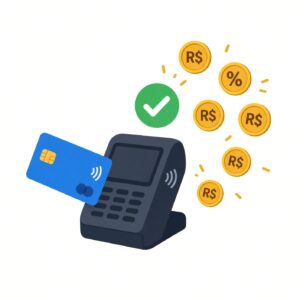
The most consistent and significant source of income for credit card issuers isn’t interest—it’s the interchange fee. Every time you swipe, tap, or enter your card details at a merchant, you are participating in a massive, invisible transaction chain.
How Merchants Pay the Price
When you make a purchase, the merchant does not receive the full amount. A small percentage of the transaction, typically ranging from 1% to 3%, is deducted by the merchant’s bank and the payment network (like Visa or Mastercard). A portion of this fee is then passed on to your credit card issuer.
This fee is designed to compensate the bank for the risk it takes by authorizing the transaction and the infrastructure it maintains to move money instantly. Because this happens on every single swipe, the sheer volume of transactions ensures a steady, reliable stream of revenue for the card issuer, regardless of whether you pay your balance in full every month.
The Interest Margin: When Consumers Carry a Balance

While interchange fees provide volume, interest income is the “high-margin” side of the business. Credit cards are revolving credit products, which means you can pay off your balance and borrow again, or you can choose to carry a portion of that debt forward into the next month.
The Power of Compound Interest
When you don’t pay your full statement balance by the due date, you are charged interest on the remaining amount. Given that credit card interest rates (APRs) are notoriously high, this generates substantial profit for the bank. The bank is essentially lending you money for your purchases at a premium price. For the consumer, this is a dangerous financial trap; for the bank, it is the primary way they monetize “high-risk” credit lending.
Annual Fees and Premium Product Tiers
In recent years, we have seen a massive surge in “premium” credit cards that come with high annual fees. While some consumers might balk at paying $450 or $695 a year for a card, banks argue that the perks—such as airport lounge access, travel credits, and concierge services—offset the cost.
The Psychology of Subscription Revenue
This is a shift toward a subscription-based revenue model. By charging an annual fee, the bank secures immediate revenue. Even if the consumer uses all the travel credits and perks, the bank benefits from the customer’s loyalty and the likelihood that they will use that specific card for all their daily spending. It guarantees that the bank remains the “top of wallet” choice for the consumer.
Penalty Fees: The Cost of Missing Out
Banks generate significant revenue through various penalty fees. While these are often seen as “bad” revenue, they are a fundamental part of the bank’s risk assessment strategy.
-
Late Payment Fees: When a consumer misses a payment deadline, they are hit with a fee.
-
Over-the-Limit Fees: If a consumer exceeds their credit limit, they may be charged for the privilege of the bank allowing the transaction to go through.
-
Foreign Transaction Fees: Using a card abroad can trigger a fee, usually around 3% of the transaction amount.
These fees serve two purposes: they act as a deterrent for risky behavior, and they act as a source of profit when that behavior occurs.
Data Monetization and Consumer Behavior Insights
In the digital age, your spending data is an asset. Credit card issuers have an unparalleled view into consumer behavior—what you buy, where you buy it, how often you buy it, and what your income level likely is.
While banks generally have strict privacy policies regarding personal information, they can analyze and sell “anonymized” and aggregated data. Retailers, marketers, and economists are willing to pay for insights into consumer spending trends. Understanding which demographic is buying more groceries versus more luxury fashion is invaluable for big corporations. Your data helps them refine their own business strategies, and that data is often monetized indirectly or directly by the financial institutions.
The Role of Co-Branded Partnerships
You have likely seen cards offered by airlines, hotels, or major retailers. These are co-branded cards. The business model here is a revenue-sharing agreement.
The partner (like the airline) gets a loyal customer base that earns points, and the bank gets access to the partner’s massive customer list. The partner often pays the bank for the privilege of issuing the card, and in return, the bank helps the partner sell more products through reward incentives. It is a mutually beneficial marketing machine that drives more card usage and more interest income for the bank.
Balance Transfer Fees and Cash Advance Fees
Banks also profit from providing “liquidity” to consumers in non-standard ways.
-
Balance Transfer Fees: When you move debt from one card to another, the issuer charges a percentage of the total amount being transferred (usually 3% to 5%). This is a fee for the service of taking on your existing debt.
-
Cash Advance Fees: If you use your credit card to withdraw cash at an ATM, you are charged a fee, and often, that money begins accruing interest immediately, without the standard “grace period” that applies to regular purchases.
Managing the Risk: How Banks Stay Profitable
It is important to remember that credit card companies operate in a world of risk. Not everyone pays back what they borrow. Banks use sophisticated algorithms and credit scoring models to determine exactly how much risk they are willing to take on each individual.
They profit by being smarter than the average consumer. They know that a certain percentage of their cardholders will pay off their balances in full (the “transactors”), a certain percentage will carry debt (the “revolvers”), and a certain percentage will unfortunately default. Their pricing—the interest rates and fees—is set to ensure that, in the aggregate, the revenue from the revolvers and the interchange fees far outweighs the losses from those who default.
The “Grace Period” Myth
Most consumers enjoy the 21-to-25-day grace period where they pay no interest on purchases. It feels like the bank is being generous, but it is actually a strategic move. By offering this grace period, the bank encourages you to use the card for all your purchases rather than using cash or debit. The more you use the card, the more interchange fees the bank collects, and the more likely you are to accidentally miss a payment or overspend, leading to interest charges. The grace period is a funnel designed to get you into the ecosystem of credit.
Financial Literacy: How to Win the Game

Knowing how banks make money should change how you use your credit card. If you treat your credit card like an extension of your paycheck, you are feeding the bank’s revenue streams. If you treat it like a temporary tool to earn rewards—paying it off in full, never carrying a balance, and avoiding penalty fees—you are effectively “arbitraging” the system. You are capturing the rewards and the convenience while minimizing the costs that the bank relies on for profit.
The Future of Credit Card Revenue
As we move toward a cashless society, the revenue models for banks are evolving. We are seeing more focus on digital banking apps, personalized budgeting tools, and integrated payment systems. The goal remains the same: to be the primary interface through which you interact with the economy. The more integrated a bank is in your daily life, the more opportunities they have to earn revenue, whether through transaction fees, lending, or premium services.
The Invisible Infrastructure of Spending
Credit card companies are not just lenders; they are sophisticated technology and marketing firms. They make money by facilitating the global economy, capturing a small slice of every transaction, and managing the risks associated with consumer debt.
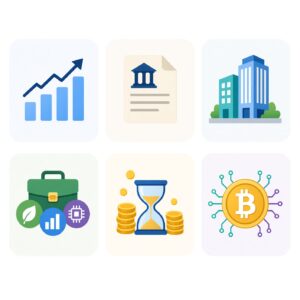
By understanding these revenue streams—interchange fees, interest income, annual fees, and data insights—you can move from being a passive user of credit to an active manager of your financial life. Use your cards for the perks and the convenience, but never lose sight of the fact that the system is designed to reward the house. Stay disciplined, pay on time, and make the system work for you.
Key Takeaways for the Informed Consumer
-
Interchange Fees: Banks earn money every time you swipe, whether you pay in full or not.
-
Interest is a Premium Product: Carrying a balance is the most profitable activity for a bank and the most expensive for you.
-
Fees add up: Annual fees and penalty fees are significant revenue contributors.
-
Data is a product: Your spending habits provide valuable insights that banks monetize.
-
Stay in control: You win the “credit card game” by capturing the rewards without ever paying a cent in interest.