How Does Money Move Through the Financial System?
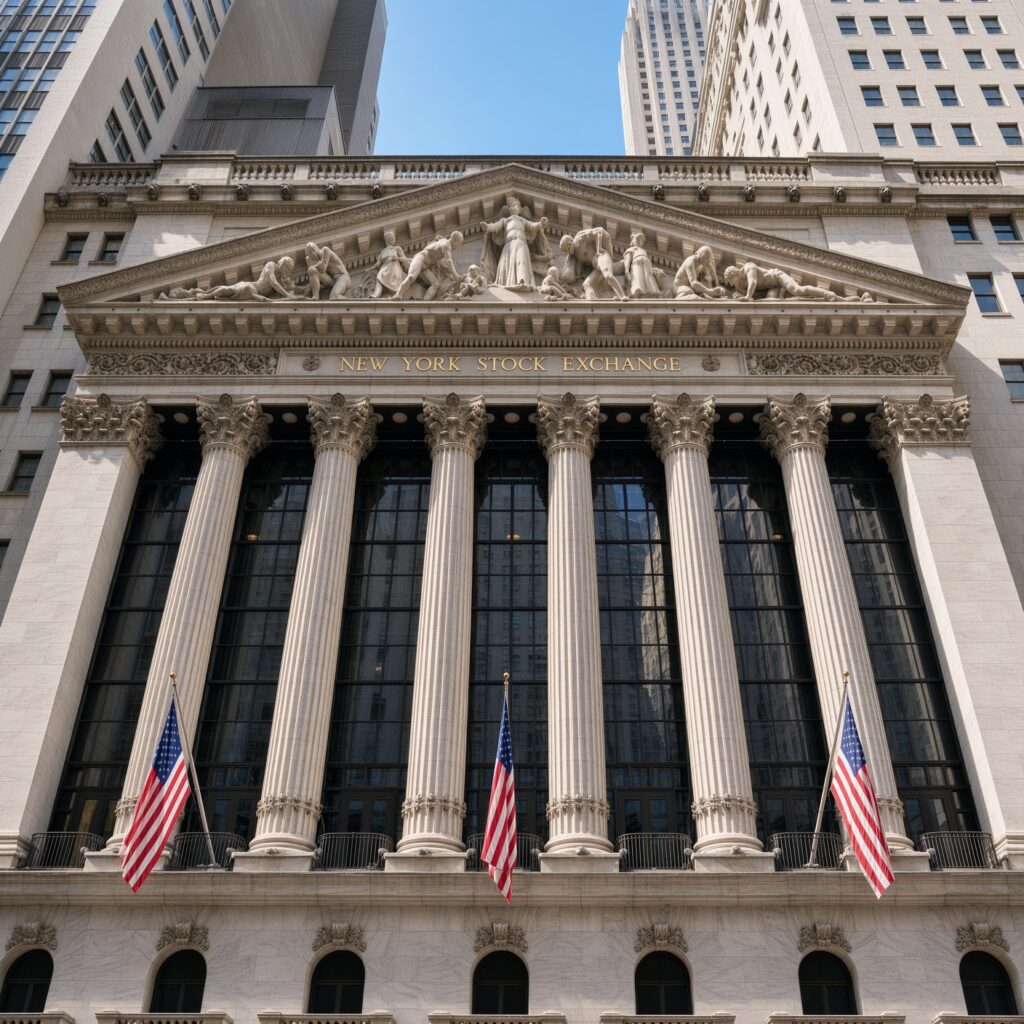
image for illustrative purposes only.
Understanding how money flows through the global financial system is essential for anyone looking to master personal finance, investing, or macroeconomics. At first glance, the modern economy can feel like an intricate labyrinth of digital transactions, stock tickers, banking regulations, and international wire transfers. However, beneath this complexity lies a logical, highly interconnected plumbing system designed to move capital from where it is abundant to where it is productive.
This comprehensive guide explores the mechanics of capital movement, breaking down the roles of individuals, commercial banks, central banks, and global markets.
The Foundation of Capital Flow: Savings, Surplus, and Deficit Units
At the absolute core of the financial ecosystem are two primary economic participants: surplus units and deficit units.
-
Surplus Units: These are entities—typically households or corporations—that earn more money than they immediately spend. They possess excess liquidity, or savings.
-
Deficit Units: These are entities that need capital immediately to fund purchases, operations, or expansions. This category includes homebuyers, students taking out loans, startups launching a product, and governments building infrastructure.
Without a financial system, surplus units would simply hoard cash under mattresses, and deficit units would struggle to grow. The primary purpose of the financial system is to bridge this gap safely and efficiently. Financial intermediaries—such as commercial banks, credit unions, and investment firms—act as the bridge, gathering funds from savers and channeling them toward borrowers.
Commercial Banks as the Primary Engine of Monetary Circulation

Commercial banks play the most visible and active role in moving money through everyday life. When an individual deposits a paycheck into a checking account, or a business deposits daily revenue, they are injecting liquidity into a bank.
The Mechanism of Fractional Reserve Banking
Banks do not simply store cash in a vault; they keep a fraction of their deposits on hand to meet daily withdrawal demands and lend out the rest. This process is known as fractional reserve banking.
-
Deposit: A customer deposits $1,000 into a checking account.
-
Reserve Requirement: The bank keeps a small percentage (e.g., 10%, or $100) in reserve.
-
Loan Issuance: The remaining $900 is lent out to a borrower to buy a car or start a small business.
-
Recirculation: The borrower spends that $900, and the recipient deposits it into their own bank, where the cycle repeats.
Through this compounding cycle of lending, banks actively expand the money supply and ensure that capital circulates continuously within the real economy rather than sitting idle.
The Role of Central Banks: Managing the Tap and Pressure
While commercial banks move money on the ground level, central banks (such as the Federal Reserve in the United States) oversee the entire monetary plumbing system. They act as the ultimate regulators and liquidity providers, ensuring the system neither floods with excess cash (causing runaway inflation) nor dries up (causing a liquidity crunch).
Central banks utilize three primary tools to control how money moves:
-
Open Market Operations (OMOs): By buying or selling government securities, central banks inject money into or pull money out of the financial system. Buying securities puts cash directly into the hands of banks and investors, increasing lending capacity.
-
The Discount Rate: This is the interest rate charged to commercial banks for short-term loans. By raising or lowering this rate, central banks make borrowing more expensive or cheaper, which directly influences the interest rates consumers and businesses pay.
-
Reserve Requirements: Mandating how much cash banks must hold in reserve dictates how aggressively they can lend out newly deposited funds.
Financial Markets: Direct Capital Allocation and Investment
Beyond traditional banking, money moves through institutional financial markets, where surplus units can invest directly in deficit units without a traditional bank acting as an intermediary. These markets are broadly divided into the money market and the capital market.
Money Markets vs. Capital Markets
-
Money Markets: These handle short-term, highly liquid debt instruments—typically maturing in under a year. Examples include Treasury bills, commercial paper, and certificates of deposit (CDs). Corporations and governments use these markets to manage day-to-day cash flow requirements.
-
Capital Markets: These handle long-term financial assets, including stocks (equities) and bonds (debt securities) that mature in over a year. When a company issues an Initial Public Offering (IPO) or a municipality issues a municipal bond, they are tapping capital markets to fund multi-year growth initiatives, real estate projects, and massive infrastructure upgrades.
In these markets, institutional investors—such as pension funds, mutual funds, and insurance companies—pool capital from millions of everyday individuals to purchase vast portfolios of assets, ensuring that money flows continuously into productive corporate and public ventures.
Payment Networks and Clearinghouses: The Digital Infrastructure
Physical cash accounts for only a tiny fraction of total economic transactions. The vast majority of money movement today happens digitally through sophisticated payment networks and clearinghouses.
-
Retail Payment Networks: Systems like credit card networks (Visa, Mastercard), automated clearing house (ACH) transfers, wire transfers, and peer-to-peer payment apps facilitate the immediate transfer of funds between consumer bank accounts.
-
Wholesale Clearing Systems: Large-value interbank transfers—such as Fedwire or SWIFT for international transactions—move billions of dollars between institutional accounts daily. Clearinghouses act as intermediaries that validate, match, and settle these transactions, minimizing the risk that one party will default before the exchange is finalized.
This digital infrastructure ensures that transactions settle securely in milliseconds, keeping the velocity of money high and predictable.
The Velocity of Money and Economic Health
The speed at which money moves through an economy is known as the velocity of money.
-
High Velocity: When consumers and businesses feel confident, they spend and invest rapidly. Money changes hands frequently, stimulating job creation, wage growth, and overall economic expansion.
-
Low Velocity: During periods of economic uncertainty, consumers hoard cash and businesses pull back on capital expenditures. Money sits stagnant in savings accounts, slowing down economic activity and potentially leading to stagnation or recession.
Economic health is not merely determined by how much total money exists, but by how efficiently and rapidly that money circulates among households, businesses, and investors.
Navigating the Modern Financial Ecosystem
Money is the lifeblood of the modern economy, connecting individual savings to global corporate growth and public infrastructure. By understanding how capital flows from surplus units to commercial banks, through central bank regulations, across financial markets, and via lightning-fast digital networks, you gain a clearer perspective on how wealth is generated, managed, and distributed. Whether you are managing personal investments, analyzing macroeconomic trends, or building a business, recognizing the mechanics of capital movement empowers you to make smarter, more informed financial decisions.