Bitcoin still a good option for beginners?
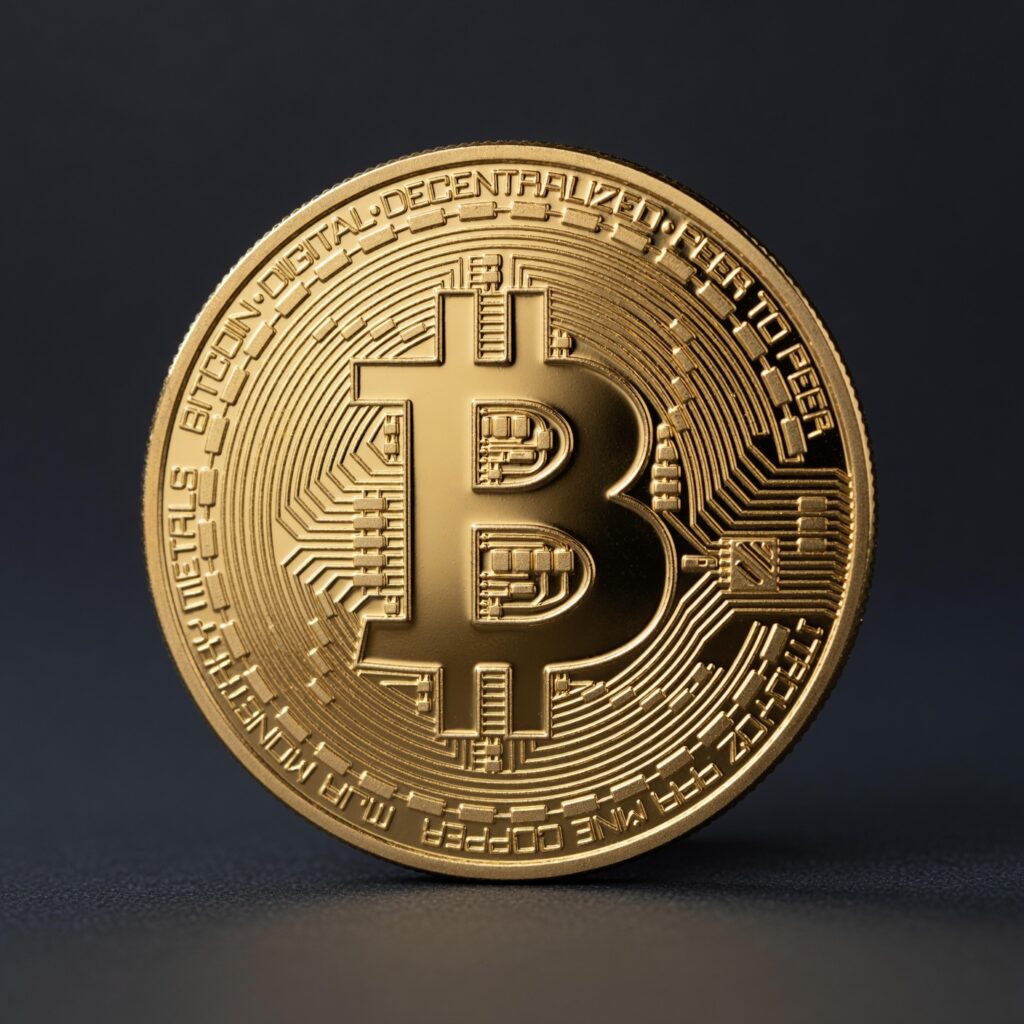
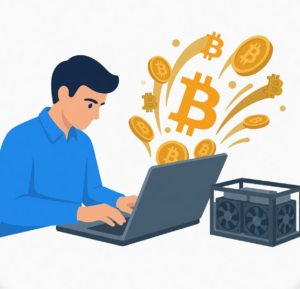
image for illustrative purposes only.
Stepping into the world of cryptocurrency can feel like learning an entirely new language. With thousands of digital assets, shifting market trends, and complex terminology, it is easy to feel overwhelmed. Among all the digital currencies, Bitcoin remains the undisputed pioneer and the most recognized name in the industry. But for someone taking their very first steps into finance and digital assets, does Bitcoin still make sense?
This guide breaks down everything you need to know about Bitcoin, analyzing its core fundamentals, historical performance, risks, and practical strategies for absolute beginners.
What is Bitcoin and Why Does It Matter in Modern Finance?

To understand whether Bitcoin is a good choice, you first need to understand what it actually is. Launched in 2009 by an anonymous creator known as Satoshi Nakamoto, Bitcoin is a decentralized digital currency. Unlike traditional fiat currencies—such as the US Dollar, Euro, or Yen—Bitcoin operates without a central bank or government authority. Instead, it relies on a technology called blockchain, a distributed public ledger that records all transactions securely and transparently.
The Mechanics of Decentralization
Traditional financial systems rely on intermediaries like commercial banks, clearinghouses, and payment processors to facilitate transactions. These middlemen charge fees and introduce points of failure or censorship. Bitcoin removes these intermediaries through a peer-to-peer network. Anyone, anywhere in the world, can send and receive value without needing permission from a bank.
The Fixed Supply Model
One of the most compelling economic arguments for Bitcoin is its programmed scarcity. While central banks can print more fiat currency—which can lead to inflation and a loss of purchasing power—Bitcoin has a strict maximum supply cap of 21 million coins. New bitcoins are created through a process called mining, and the rate at which they enter circulation is cut in half approximately every four years, an event known as the halving. This deflationary architecture makes Bitcoin fundamentally different from any traditional currency.
The Evolution of Bitcoin as an Asset Class
Over the past decade and a half, Bitcoin has undergone a massive transformation. It started as an obscure experiment traded among computer scientists and cryptography enthusiasts. Today, it is recognized globally as a legitimate asset class.
From Niche Experiment to Mainstream Adoption
In its early years, Bitcoin had no established market price, and its utility was largely untested. Fast forward to the present day, and major financial institutions, publicly traded corporations, and investment funds hold Bitcoin on their balance sheets. The introduction of spot Bitcoin exchange-traded funds (ETFs) in traditional financial markets has also made it remarkably easy for institutional and retail investors alike to gain exposure without needing to manage private keys or digital wallets directly.
Institutional Validation and Market Maturity
The entry of Wall Street firms and global financial giants has changed the market dynamics. While Bitcoin is still prone to price volatility, its long-term survival and increasing integration into traditional portfolios suggest that it is no longer a passing trend. For beginners, this institutional backing offers a layer of psychological comfort, knowing that the asset has weathered numerous market cycles and regulatory challenges.
Evaluating Bitcoin Through the Lens of a Beginner Investor
When evaluating any investment, beginners must weigh potential rewards against inherent risks. Bitcoin is no exception. While its historical returns have outperformed almost every traditional asset class over the past decade, its path has been notoriously bumpy.
The Myth of Guaranteed Quick Wealth
One of the biggest misconceptions among new investors is that Bitcoin is a quick ticket to riches. Social media is filled with stories of early adopters turning small sums into fortunes. However, looking at the market with a long-term perspective is vital. Chasing rapid gains often leads to buying at market peaks and panic-selling during inevitable downturns. Beginners should approach Bitcoin not as a lottery ticket, but as a long-term technological and financial allocation.
Volatility as a Double-Edged Sword
Volatility is a defining characteristic of Bitcoin. Prices can swing by double-digit percentages in a single week. For a beginner, watching an investment drop significantly in value can be psychologically challenging. However, this same volatility provides the liquidity and growth potential that attracts investors in the first place. Understanding your own risk tolerance before entering the market is an essential first step.
Core Advantages of Choosing Bitcoin Over Altcoins
The cryptocurrency market features thousands of alternative coins, commonly known as altcoins. These range from meme coins with zero utility to sophisticated smart contract platforms. For a beginner, the sheer volume of choices can lead to analysis paralysis. Sticking to Bitcoin offers distinct advantages.
Network Effects and Superior Security
Bitcoin boasts the strongest security network in the digital asset space. The immense computing power securing the Bitcoin blockchain makes it virtually immune to tampering or attacks. Furthermore, network effects dictate that the most widely adopted platform tends to maintain its dominance over time. Bitcoin is the gold standard of the industry, boasting the highest brand recognition, the deepest liquidity, and the most robust infrastructure.
Simplicity and Focus
Navigating the wider cryptocurrency ecosystem requires understanding staking, liquidity pools, governance tokens, and smart contract vulnerabilities. Bitcoin keeps things simple. Its primary use case is store-of-value and decentralized medium-of-exchange. For a beginner, focusing on a single, well-understood asset allows you to learn the mechanics of digital finance without getting bogged down by hyper-complex protocols.
Understanding the Risks and Challenges of Bitcoin Investing
No financial asset is without risk, and Bitcoin carries unique challenges that every beginner must acknowledge and prepare for.
Regulatory Uncertainty
Governments worldwide are still figuring out how to regulate digital assets. Changes in tax laws, anti-money laundering requirements, or outright bans in certain jurisdictions can impact market sentiment and price stability. While major economies are moving toward clearer regulatory frameworks, regulatory news can still cause short-term market turbulence.
Cybersecurity and Personal Responsibility
In traditional banking, if you forget your password or experience fraud, customer service can usually help you recover your funds. In the world of self-custodied cryptocurrency, you are your own bank. Losing your private keys or falling victim to phishing scams means your funds are gone forever with no recourse. This level of personal responsibility requires diligence, education, and adherence to security best practices.
Environmental and Energy Concerns
Bitcoin mining requires significant computational power, which consumes electricity. Critics often point to the environmental footprint of proof-of-work consensus mechanisms. However, the industry is increasingly shifting toward renewable energy sources and sustainable mining practices. Nonetheless, it remains a common talking point and a factor that conscious investors may want to research.
Practical Strategies for Beginners Entering the Market
If you decide that Bitcoin aligns with your financial goals, jumping in blindly is a recipe for stress. Implementing a thoughtful, structured strategy can help mitigate risks and build confidence.
Dollar-Cost Averaging (DCA)
Trying to time the market—buying at the absolute lowest price and selling at the highest—is nearly impossible, even for seasoned professional traders. Instead, beginners can utilize Dollar-Cost Averaging (DCA). This strategy involves investing a fixed amount of money at regular intervals, regardless of the asset’s price.
For example, investing a set amount every week or every month removes the emotional stress of market timing. When prices are high, your fixed amount buys fewer fractions of a bitcoin; when prices drop, your money buys more. Over time, DCA helps smooth out the impact of volatility and lowers your average entry cost.
Setting Realistic Expectations
Investing in Bitcoin requires patience. Market cycles typically span several years, featuring bull markets driven by euphoria and bear markets characterized by prolonged consolidation and pessimism. Beginners should prepare to hold their investments through complete market cycles rather than reacting impulsively to daily headlines.
Portfolio Allocation and Risk Management
A golden rule of personal finance is never to invest money you cannot afford to lose. Bitcoin should be viewed as part of a diversified financial strategy rather than the entirety of your net worth. Depending on your personal risk appetite, allocating a modest percentage of your overall investment portfolio to Bitcoin allows you to participate in potential upside while protecting your core financial stability.
Security Best Practices for First-Time Buyers
Safeguarding your digital assets is just as important as knowing when to buy them. Implementing proper security hygiene from day one prevents costly mistakes.
Choosing Reputable Platforms
To buy your first fraction of Bitcoin, you will need to use a reputable digital asset exchange. Look for platforms with strong security track records, regulatory compliance, clear fee structures, and intuitive user interfaces. Once you purchase your Bitcoin on an exchange, keeping large amounts on that platform long-term is generally discouraged.
Understanding Storage Options: Hot vs. Cold Wallets
Storage methods generally fall into two categories:
-
Hot Wallets: Software applications connected to the internet. They are convenient for frequent trading and smaller amounts, but they are theoretically vulnerable to online threats.
-
Cold Wallets: Hardware devices disconnected from the internet. They offer the highest level of security for long-term storage, keeping your private keys entirely offline away from potential hackers.
Essential Security Habits
No matter how you store your Bitcoin, always enable two-factor authentication (2FA) on all related accounts. Never share your recovery seed phrase—a sequence of random words generated when setting up a wallet—with anyone, under any circumstances. Legitimate support staff will never ask for your seed phrase.
Comparing Bitcoin to Traditional Starter Investments
For absolute beginners, choosing where to put your first surplus dollars often comes down to a choice between traditional avenues and modern alternatives.
Traditional Savings and Index Funds
Traditional options like high-yield savings accounts, certificates of deposit, and broad-market index funds are time-tested vehicles for wealth accumulation. They offer stability, predictability, and, in the case of bank accounts, government deposit insurance. However, during periods of high inflation, traditional savings accounts often fail to preserve purchasing power, as interest rates lag behind the actual cost of living.
The Unique Value Proposition of Bitcoin
Bitcoin bridges a different gap. It combines the portability and global reach of digital technology with the scarcity characteristics traditionally associated with precious metals like gold. While it does not generate cash flows, dividends, or corporate earnings like stocks do, its value is derived from its network security, fixed supply, and growing adoption as an alternative monetary network. For many modern investors, Bitcoin serves as a digital hedge against systemic currency devaluation.
The Psychological Aspect of Market Participation
Investing is as much a psychological challenge as it is a mathematical one. For beginners, managing emotions is often the hardest part of the journey.
Overcoming Fear of Missing Out (FOMO)
When Bitcoin prices surge and mainstream media outlets run daily headlines about new market highs, the fear of missing out can drive impulsive decisions. Buying out of excitement at the top of a market cycle frequently leads to losses when a correction occurs. Discipline, patience, and sticking to a predetermined plan are the best antidotes to FOMO.
Navigating Market Correction Anxiety
Conversely, when prices drop, fear takes over. Social media channels fill with predictions of a total market collapse. Successful long-term investors view market corrections as normal occurrences in a maturing asset class. Maintaining emotional detachment requires focusing on the long-term thesis rather than daily price fluctuations.
Long-Term Outlook: What the Future Holds for Bitcoin
As the global financial landscape continues to digitize, the infrastructure surrounding Bitcoin is evolving rapidly.
Technological Upgrades and Layer-2 Solutions
Development on the Bitcoin network does not stand still. Innovations such as layer-2 scaling solutions are making transactions faster, cheaper, and more scalable while maintaining the foundational security of the base layer. These advancements enhance Bitcoin’s utility not just as a store of value, but potentially as a practical medium for everyday global transactions.
Integration with Emerging Technologies
The intersection of digital assets with artificial intelligence, automated machine payments, and global remote workforces points toward a future where borderless, digital-native currencies play a pivotal role. Because Bitcoin is entirely digital and programmable at the protocol layer, it is well-positioned to serve as the native settlement currency for machine-to-machine transactions and the future digital economy.
Is Bitcoin Right for You?
So, is Bitcoin still a good option for beginners? The answer is a qualified yes, provided you approach it with education, caution, and a long-term mindset.
Bitcoin offers unmatched network security, a mathematically guaranteed fixed supply, and a proven track record of surviving multiple market cycles. However, it also demands personal responsibility regarding security, emotional discipline in the face of volatility, and a realistic understanding of risk management.
If you take the time to understand the technology, start small with strategies like dollar-cost averaging, and prioritize secure storage, Bitcoin can serve as a valuable educational stepping stone and a compelling component of a modern financial portfolio. The digital economy is here to stay, and understanding how Bitcoin fits into that landscape is one of the most empowering financial steps a beginner can take today.