Is It Worth Investing in Broadcom Shares?
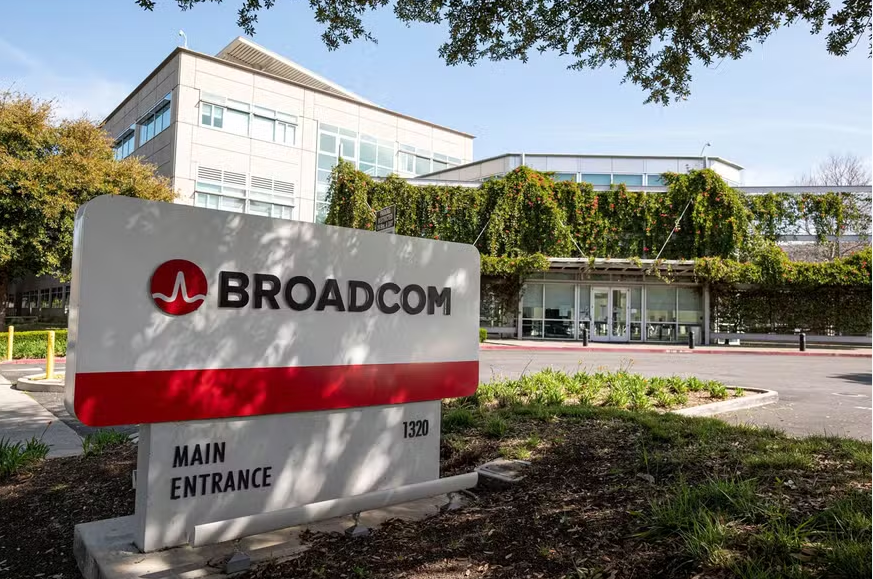
The modern technology landscape is defined by an unprecedented race toward artificial intelligence, cloud computing, and advanced networking infrastructure. While consumer-facing brands frequently capture public attention, the underlying architecture powering this digital revolution is built by a select group of industry titans. Among them, Broadcom Inc. (NASDAQ: AVGO) has emerged as a cornerstone of the global tech economy.
For investors navigating contemporary equity markets, evaluating whether Broadcom stock deserves a position in a well-diversified portfolio requires a deep dive into its financial mechanics, operational strategy, and market positioning. This extensive analysis explores the fundamental drivers, growth catalysts, risk factors, and long-term outlook of Broadcom shares to help you determine if they align with your investment objectives.
Understanding Broadcom’s Unique Dual-Engine Business Model

To evaluate the investment thesis for Broadcom, one must first understand the structural composition of the enterprise. Unlike traditional semiconductor firms that rely exclusively on hardware sales, or software companies insulated from physical supply chains, Broadcom operates a sophisticated “two-engine” business model. This dual approach blends high-performance semiconductor solutions with mission-critical infrastructure software.
The hardware division focuses on designing complex digital and analog semiconductor connectivity solutions. These products are deeply embedded in data centers, telecommunications equipment, smartphones, and enterprise networking systems. Broadcom excels in designing custom application-specific integrated circuits (ASICs)—specialized chips tailored for specific clients rather than generic, off-the-shelf processing units.
Concurrently, the infrastructure software segment provides robust platforms that manage private clouds, cybersecurity, and mainframe operations. The integration of major enterprise software assets, most notably VMware, has transformed Broadcom into a powerhouse of recurring enterprise software revenue. This software engine generates exceptionally high gross margins, often exceeding ninety percent, providing a stable financial buffer that complements the cyclical and high-growth nature of the semiconductor sector.
The Artificial Intelligence Catalyst and Custom Silicon Dominance
The primary driver behind institutional and retail interest in Broadcom is its explosive growth within the artificial intelligence ecosystem. While general-purpose graphics processing units dominate mainstream tech headlines, hyperscale cloud providers require customized silicon solutions to maximize efficiency, reduce latency, and control escalating power consumption within massive data centers.
Broadcom has established an unassailable leadership position in custom AI accelerators. The company partners directly with major hyperscalers—including prominent technology leaders like Google, Meta, and other major AI innovators—to design proprietary chips optimized for massive machine learning workloads. This specialized approach allows major cloud operators to run massive language models and generative AI frameworks at a fraction of the operating cost associated with standard hardware setups.
Furthermore, Broadcom’s dominance extends beyond processing chips into advanced networking hardware. High-performance AI clusters require lightning-fast data transmission between thousands of individual chips. Broadcom’s Ethernet AI switches and high-speed networking components are vital for preventing data bottlenecks inside modern AI data centers. This dual exposure to custom AI accelerators and specialized networking hardware positions the company at the literal crossroads of global infrastructure expansion.
Financial Health, Profit Margins, and Capital Allocation Discipline
A rigorous financial assessment of Broadcom reveals a company characterized by exceptional operational leverage, stellar cash generation, and disciplined capital allocation. Under the leadership of CEO Hock Tan, Broadcom has cultivated a corporate culture centered on efficiency, disciplined cost management, and aggressive margin expansion.
The company routinely posts operating metrics that outshine broader technology sector averages. Gross margins remain exceptionally high, supported by the growing software segment and premium pricing power in proprietary semiconductor designs. Operating cash flow consistently translates into robust free cash flow, giving management immense flexibility to reward shareholders.
Broadcom is recognized as an elite dividend growth stock within the technology sector. Management has maintained a consistent commitment to returning excess capital through regular dividend increases and strategic share repurchase programs. For income-focused investors who also seek aggressive capital appreciation, this combination of a reliable dividend yield and structural top-line growth offers a compelling dual-threat profile.
The VMware Integration and Enterprise Software Expansion
A critical milestone in Broadcom’s corporate evolution was its multi-billion-dollar acquisition of VMware. Integrating a massive enterprise software giant presented significant execution risks, yet the strategic rationale has progressively materialized on the balance sheet.
VMware forms the backbone of private cloud infrastructure for a vast majority of Fortune 500 enterprises. By streamlining VMware’s operations, shifting its product delivery toward subscription-based models, and bundling enterprise services, Broadcom has unlocked substantial margin expansion. As this transition toward complete subscription models matures, the recurring software revenue stream provides predictable, high-margin cash inflows that insulate the company from short-term cyclical downturns in the broader semiconductor market.
Evaluating Key Risks and Market Headwinds
Despite a stellar operational track record and immense growth catalysts, prudent investors must weigh potential downside risks before allocating capital to Broadcom shares.
Customer Concentration Risk
One of the most notable vulnerabilities within Broadcom’s semiconductor business is customer concentration. A significant portion of its chip design and manufacturing revenue depends on a handful of mega-cap technology companies. If one of these primary hyperscale clients decides to shift its custom silicon design entirely in-house or scales back capital expenditures due to macroeconomic shifts, Broadcom’s near-term revenue trajectory could experience noticeable friction.
Macroeconomic Sensitivity and Semiconductor Cyclicality
The semiconductor industry is historically cyclical. While current demand driven by artificial intelligence infrastructure has decoupled Broadcom from traditional consumer electronics slowdowns, broader macroeconomic pressures, rising interest rates, or tightening corporate budgets could eventually impact enterprise technology spending.
Valuation and Regulatory Pressures
Given its stellar performance and market leadership, Broadcom shares frequently trade at premium valuations relative to the broader market. High valuation multiples leave little room for operational missteps, meaning any quarterly earnings report that falls short of aggressive Wall Street expectations can trigger sharp short-term volatility. Additionally, global regulatory scrutiny surrounding large-scale technology consolidation and cross-border supply chains remains an ongoing variable for management to navigate.
Long-Term Growth Projections and Strategic Roadmap

Looking toward the horizon, Broadcom’s management has articulated ambitious long-term targets, projecting multi-billion-dollar revenue milestones within its AI semiconductor division alone. The structural demand for automated data processing, cloud migration, and enterprise digital transformation ensures that the foundational markets Broadcom serves will continue expanding for the foreseeable future.
The proliferation of artificial intelligence is not a temporary trend but a permanent structural upgrade to global enterprise infrastructure. As businesses worldwide transition from exploratory AI testing to full-scale deployment, the need for custom silicon accelerators and high-speed data center networking will only intensify. Broadcom’s entrenched engineering partnerships, combined with its software stickiness through VMware, position it uniquely to capture an outsized share of this economic value.
Is Broadcom Stock a Buy?
Deciding whether to invest in Broadcom shares depends heavily on your individual risk tolerance, investment horizon, and portfolio diversification goals.
For investors seeking exposure to the structural growth of artificial intelligence without relying solely on consumer hype or volatile front-end applications, Broadcom offers a pragmatic, picks-and-shovels investment thesis. Its unique blend of high-growth custom silicon design, resilient infrastructure software, elite profit margins, and a shareholder-friendly capital return policy makes it a formidable contender in any modern equity portfolio.
While valuation premiums and customer concentration warrant careful monitoring, the company’s proven execution capability and irreplaceable role in the global tech ecosystem suggest that Broadcom will remain a dominant force in the financial markets for years to come.