How to Open a Brokerage Account: A Complete Step-by-Step Investor Guide

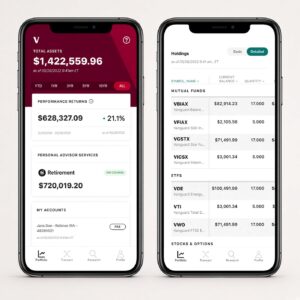
image for illustrative purposes only.
The days of needing a physical broker in a high-rise office to buy a single share of stock are long gone. Today, the gateway to wealth creation sits right in your pocket. Whether your goal is to build a retirement nest egg, outpace inflation, or day trade tech stocks, opening a brokerage account is the absolute first step toward financial independence.
However, entering the world of investing can feel like analyzing a foreign language. With hundreds of financial institutions competing for your capital, choosing where to house your money is a major decision. This detailed guide breaks down the entire process from preparation to your first investment, ensuring you avoid costly beginner mistakes and setup your portfolio for long-term success.
1. What Is a Brokerage Account and Why Do You Need One?

Before diving into the paperwork, it is essential to understand what a brokerage account actually is. Think of it as a specialized financial portal. While a traditional bank account is designed for holding cash, paying bills, and short-term savings, a brokerage account connects you directly to the financial markets. It allows you to buy, sell, and hold assets such as stocks, bonds, mutual funds, exchange-traded funds (ETFs), and sometimes cryptocurrencies.
When you deposit money into a brokerage account, that cash remains liquid until you deploy it. You can leave it as uninvested cash (which often earns a modest interest rate), or you can use it to purchase securities. The broker acts as the middleman, executing your buy and sell orders safely and securely through major asset exchanges. Without this portal, an individual investor cannot legally interact with global financial markets.
2. Choosing the Right Investment Account Type for Your Goals
One of the first questions an online brokerage platform will ask you during the signup process is: “What type of account would you like to open?” Making the wrong choice here can have massive implications for your taxes. Financial institutions generally categorize accounts into two main buckets: standard taxable accounts and tax-advantaged retirement accounts.
Taxable Brokerage Accounts
Often referred to as traditional or individual brokerage accounts, these platforms offer maximum flexibility. There are no limits on how much money you can deposit annually, and you can withdraw your funds at any given moment without facing government penalties. The trade-off is taxation. Any capital gains (profits made from selling assets) or dividend payouts you receive are subject to annual taxes in the year they are realized.
Tax-Advantaged Retirement Accounts
If your primary goal is building long-term wealth for your post-work years, a retirement account is almost always the smarter financial move.
-
Traditional Individual Retirement Accounts (IRAs): These allow you to contribute pre-tax or tax-deductible dollars. Your investments grow tax-deferred, meaning you only pay taxes when you withdraw the money in retirement.
-
Roth IRAs: These are funded with after-tax dollars. The massive benefit here is that your investments grow completely tax-free, and qualified withdrawals made after age 59½ are entirely exempt from taxes.
Note: Retirement accounts come with strict annual contribution limits set by financial regulators, and withdrawing funds before reaching retirement age usually triggers a steep 10% penalty alongside income taxes.
3. Top Features to Compare When Selecting an Online Broker
The digital investment landscape is highly competitive, which works heavily in favor of individual consumers. However, not all brokers are created equal. To find the perfect match for your financial style, you must evaluate several distinct operational categories.
Fee Structures and Commission Rates
For decades, brokers charged a flat fee for every trade executed. Today, the standard for mainstream platforms is zero-commission trading for online US stocks and ETFs. However, look closely at the fine print. You may still encounter fees for trading options, buying mutual funds, transferring your account to another institution (ACAT fees), or maintaining an inactive account.
Minimum Balance Requirements
Some premium platforms require a minimum initial deposit—ranging from $500 to $2,500—to unlock their services. If you are starting small, prioritize brokers that boast a $0 account minimum and allow you to buy fractional shares (investing by dollar amount rather than buying a full single share of stock).
Trading Platforms and User Experience
Are you a long-term investor who prefers a clean, simple mobile application to check your portfolio once a month? Or are you an active trader who requires advanced charting software, live data feeds, and technical indicators? Match the broker’s interface with your personal tech preferences.
Available Investment Vehicles
Ensure the brokerage provides access to the specific assets you want to hold. While almost every broker offers mainstream stocks, some do not support international equities, foreign exchange currency markets, options trading, or cryptocurrency access.
4. Essential Documents and Information Needed for Registration

Once you have selected your ideal platform, it is time to gather your documentation. Modern online financial institutions use digital verification processes to comply with strict government regulations, specifically “Know Your Customer” (KYC) and Anti-Money Laundering (AML) laws. Having these items ready beforehand ensures your application is approved in minutes rather than days.
| Required Document / Information | Purpose |
| Social Security Number (SSN) | Required for tax reporting and identity verification. |
| Government-Issued Photo ID | Driver’s license, state ID, or passport to verify identity. |
| Residential Address | Physical address confirmation (P.O. Boxes are rarely accepted). |
| Employment Information | Your current employer’s name, industry, and job title. |
| Net Worth and Income Estimates | General financial health assessment for risk compliance. |
| Bank Account Routing Numbers | For linking external checking or savings accounts. |
5. A Complete Step-by-Step Walkthrough of the Application Process
With your documentation safely on hand, you can initiate the application process. This can typically be completed via a desktop web browser or directly inside the broker’s official smartphone application.
Step 1: Initialize Your Profile
Visit the broker’s official secure website and locate the button typically labeled “Open an Account” or “Get Started.” Create a secure login using a strong, unique password and a primary email address.
Step 2: Select Your Specific Account Structure
Choose between an individual taxable account, a joint account (if investing with a spouse), or a retirement vehicle like a Roth IRA.
Step 3: Input Personal and Financial Details
Carefully fill out your personal information. Ensure that your spelling exactly matches the legal data listed on your government identification card. Any discrepancy can flag the application for manual review, slowing down your onboarding timeline.
Step 4: Answer the Regulatory Risk Questionnaire
Brokers are legally obligated to ask about your investment experience and overall financial risk tolerance. They will ask questions such as: “What is your investment objective? (Growth, Preservation of Capital, Speculation)” and “How many years of trading experience do you possess?”
If you are a beginner, answer honestly. The platform uses this data to protect you from accidentally activating highly volatile, advanced financial instruments like margin trading or complex options strategies before you are ready.
Step 5: Read and Sign Electronic Disclosures
Review the platform’s terms of service, privacy policies, and margin agreements. Once reviewed, you will provide a digital signature to finalize the legal submission.
6. How to Fund Your New Brokerage Account Securely
An empty brokerage account is just a digital shell. To make it functional, you must transfer capital into the platform. Most online institutions offer a variety of electronic funding options to suit your personal speed and convenience needs.
Electronic Funds Transfer (ACH)
An ACH transfer links your traditional bank checking or savings account directly to your brokerage account. This is the most popular, cost-effective method for mainstream investors. While it takes roughly 2 to 5 business days for the funds to completely clear and settle, many modern brokers will grant you an immediate “instant credit” up to a certain dollar value, allowing you to invest right away while the physical cash travels between banks.
Wire Transfers
If you are moving massive amounts of capital into your investment portal, a bank wire transfer is the most secure vehicle. Wire transfers usually settle within a single business day. Be aware that your traditional banking institution will often charge a flat outbound fee (typically ranging from $15 to $35) to process a wire.
Recurring Automated Deposits
One of the most effective paths to sustainable wealth building is automation. Most online brokers allow you to set up recurring ACH transfers. You can program the system to automatically move a set amount of cash (for example, $100 every Friday) from your paycheck directly into your investment fund. This eliminates emotional friction and forces you to pay yourself first.
7. Understanding Margin Accounts Versus Cash Accounts

During the funding or registration process, your broker will explicitly ask you to choose between a “Cash Account” and a “Margin Account.” Making the correct choice here is vital for protecting your financial downside.
Cash Investment Accounts
A cash account requires you to pay for all security purchases completely in full using the actual liquid cash deposited into your platform. If you have $500 in your account, the maximum amount of stock you can buy is exactly $500. This is the safest, most logical setup for long-term investors and beginners because it is fundamentally impossible to lose more money than you put in.
Margin Investment Accounts
A margin account allows you to borrow capital directly from the brokerage firm to purchase larger quantities of securities. This leverage amplifies both your potential profits and your potential losses. If the value of the assets you bought with borrowed money drops significantly, the broker can execute a “margin call.” This means they legally require you to deposit more cash instantly, or they will sell off your investments without your permission to cover their risk.
Important Regulatory Consideration: For safety, standard long-term wealth builders should stick to traditional cash accounts until they fully master market mechanics and downside risk management.
8. Navigating Your Dashboard and Executing Your First Trade
Congratulations! Your account is formally approved, your identity is verified, and your capital is securely deposited. The final phase of the process is learning how to navigate the trading dashboard so you can purchase your very first asset.
When you search for a company or an ETF within your platform, you will use its specific unique ticker symbol (for instance, Apple is AAPL, and the S&P 500 ETF managed by Vanguard is VOO). When you click the “Buy” button, you will be presented with a trade execution ticket. Understanding the different order types is critical to controlling your purchase prices.
Market Orders
A market order tells the broker to buy or sell the security immediately at the best available current market price. This guarantees your order will execute instantly, but it does not guarantee the exact price down to the penny, especially during volatile trading hours.
Limit Orders
A limit order gives you absolute control over the financial transaction. You specify the exact maximum price you are willing to pay for the asset. For example, if a stock is trading at $105, you can set a limit order for $100. The broker will only execute the trade if the stock price drops to $100 or lower. If the price never hits your limit, the order remains unfulfilled.
9. Crucial Security Measures to Protect Your Financial Assets
Now that your hard-earned money sits inside a digital platform, safeguarding that portal from cyber threats must be a top priority. Financial platforms are highly targeted by bad actors, but implementing proper security habits drastically lowers your vulnerability profile.
-
Activate Multi-Factor Authentication (MFA): Never rely solely on a standard password. Enable two-factor authentication, preferably using an authenticator app rather than SMS text messages, which can be vulnerable to SIM-swapping scams.
-
Verify SIPC Insurance Coverage: Before finalizing your choice of broker, verify that the firm is a member of the Securities Investor Protection Corporation (SIPC). This protects the securities and cash in your account up to $500,000 (including a $250,000 limit for cash) if the brokerage firm itself faces financial failure or bankruptcy.
-
Avoid Public Wi-Fi Access: Never log into your investment dashboard or execute trades while connected to unsecured public internet networks like those found in coffee shops or airports. Use a secure cellular connection or a trusted Virtual Private Network (VPN).
Taking the time to research platforms, organize your personal documentation, and choose the correct tax structure ensures that your entry into the financial markets is seamless and secure. The process of opening an online brokerage account requires only a brief investment of time, but the wealth-building habits it unlocks can positively alter your financial trajectory for decades to come. Turn on automated features, select your core assets carefully, and watch your portfolio compound over time.