Understand how investment custody works at a brokerage firm

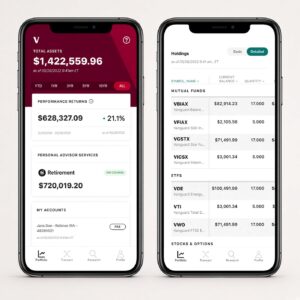
image for illustrative purposes only.
When you purchase stocks, bonds, or exchange-traded funds (ETFs) through an online brokerage, the transaction feels instantaneous. You click “buy,” and seconds later, the shares appear in your digital portfolio. However, behind this seamless user interface lies a complex and highly regulated infrastructure designed to ensure that you—and only you—truly own the assets you have purchased. Understanding the concept of “custody” is vital for any serious investor, as it forms the bedrock of trust between you and your financial institution.
What Is Asset Custody?
At its core, custody refers to the safekeeping of financial assets. When a brokerage acts as a custodian, it is legally obligated to hold your securities in a way that separates them from the brokerage firm’s own proprietary assets.
In the modern financial system, most securities are held in “street name.” This means that while you are the beneficial owner of the shares, the brokerage or its designated clearing firm is listed as the registered owner on the books of the issuer or the transfer agent. This arrangement facilitates rapid electronic trading. Without it, every time you sold a share, you would have to physically sign a stock certificate and mail it to the buyer, a process that would make today’s high-speed markets impossible. Despite the “street name” registration, you retain all the rights of ownership, including the right to vote in shareholder meetings and the right to receive dividends.
The Role of Clearing Houses and Depositories
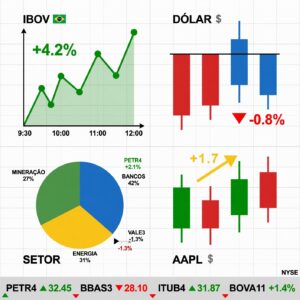
To keep your assets secure, the industry relies on a multi-layered system involving clearing houses and central securities depositories. In the United States, the Depository Trust Company (DTC) plays a central role.
When you buy a stock, the clearing process ensures that the trade is settled correctly. The clearing house acts as the intermediary, ensuring that the buyer receives the shares and the seller receives the cash. By using a central depository like the DTC, the industry eliminates the need for physical paper certificates. Your brokerage maintains a digital ledger that records your specific interest in these assets. This ledger is audited regularly, providing a clear audit trail that links your investment directly to the underlying security held in the depository system.
Asset Segregation: The Legal Safeguard
One of the most important aspects of the custody model is legal segregation. Brokerage firms are strictly prohibited from commingling client assets with their own corporate funds. This is a non-negotiable rule enforced by the Securities and Exchange Commission (SEC).
If a brokerage were to experience a financial crisis or file for bankruptcy, the separation of accounts ensures that your assets are not treated as part of the brokerage’s general estate. Your stocks and bonds are not assets that creditors can seize to pay off the broker’s debts. This legal barrier is the reason why, even in the event of a brokerage failure, your investments generally remain intact and can be transferred to another custodian.
How Your Cash Is Handled in a Custodial Account
While securities are held in custody, cash balances in your brokerage account are managed slightly differently. Often, your uninvested cash is held in a “sweep” account, which may move your money into a money market fund or a series of partner banks.
It is important to understand where your cash is stored. If your cash is held at partner banks, it may be eligible for Federal Deposit Insurance Corporation (FDIC) insurance up to the applicable limits. If it is held as a security (like a money market fund), it is covered under the Securities Investor Protection Corporation (SIPC) umbrella. Because cash is the most liquid asset, it is also the most frequently scrutinized component of the custody chain, making transparency from your broker essential.
The Importance of Independent Audits and Financial Reporting
To maintain trust, custodial firms are subject to rigorous, independent audits. These audits verify that the firm actually possesses the assets it claims to hold on behalf of its clients.
As an investor, you can assess the health of your custodian by reviewing the financial statements of the firm. Publicly traded brokerage firms are required to file comprehensive reports with the SEC, detailing their capitalization, operational risks, and regulatory standing. These documents are a goldmine of information for investors who want to ensure they are dealing with a financially stable organization. A brokerage with a strong balance sheet and a clean track record of regulatory compliance is a much safer bet than an obscure or unproven platform.
Transparency and the Statement of Account
Your monthly or quarterly account statement is more than just a summary of your gains and losses; it is the definitive proof of your custodial ownership. By law, brokerages must provide regular updates that accurately reflect your positions.
You should make it a habit to reconcile your internal records with your official brokerage statements. If you notice any discrepancies, you should report them immediately. Modern technology also allows for real-time monitoring via mobile apps and web portals. While these digital interfaces are convenient, they are secondary to the official legal statements provided by the custodian. Keeping a digital or physical archive of these statements provides an additional layer of protection in case of any future disputes.
Navigating Risks: When Things Go Wrong
While the custody system is designed to be bulletproof, human error and cybersecurity threats remain. A common misconception is that custody protects against market loss—it does not. If your stock drops by 50%, the custody system has worked perfectly, even though you have lost money.
The true risk of the custody model involves operational failures, such as technical glitches that prevent you from accessing your account or, in extreme cases, internal fraud. This is where personal vigilance becomes your final line of defense. Utilizing secure logins, monitoring your transaction history, and choosing a broker with a long-standing reputation for customer service can mitigate these operational risks significantly.
The Future of Digital Assets and Custodial Standards

As the financial landscape evolves, new asset classes like cryptocurrencies are challenging traditional custody models. Unlike stocks, which are held in a centralized depository, some digital assets are held in “cold storage” (offline) or through specialized third-party custodians.
When investing in non-traditional assets, the rules of custody can change. It is critical to investigate how your platform secures these assets. Are they using institutional-grade custody solutions? Is there an insurance policy specifically for these digital holdings? As the industry matures, expect to see more standardization, but in the meantime, the burden of due diligence remains with the investor.
Empowering Your Financial Future
Grasping the mechanics of how your assets are held is a significant step toward becoming a more confident and informed investor. By understanding that your assets are segregated from the broker’s own capital, that they are recorded within an audited clearing system, and that your rights as an owner are protected by federal law, you can navigate the market with much greater peace of mind.
The sophisticated infrastructure that underpins your brokerage account is designed to allow you to focus on the most important aspect of investing: your long-term strategy. When you trust the system but remain diligent in your personal account oversight, you create a robust environment for your wealth to grow. Continue to stay curious about how your financial tools operate, remain consistent in your review of account statements, and keep your focus firmly on your long-term objectives. The combination of structural protection and your own disciplined financial management remains the most powerful way to secure your path toward your ultimate financial goals.