How to get your first credit card
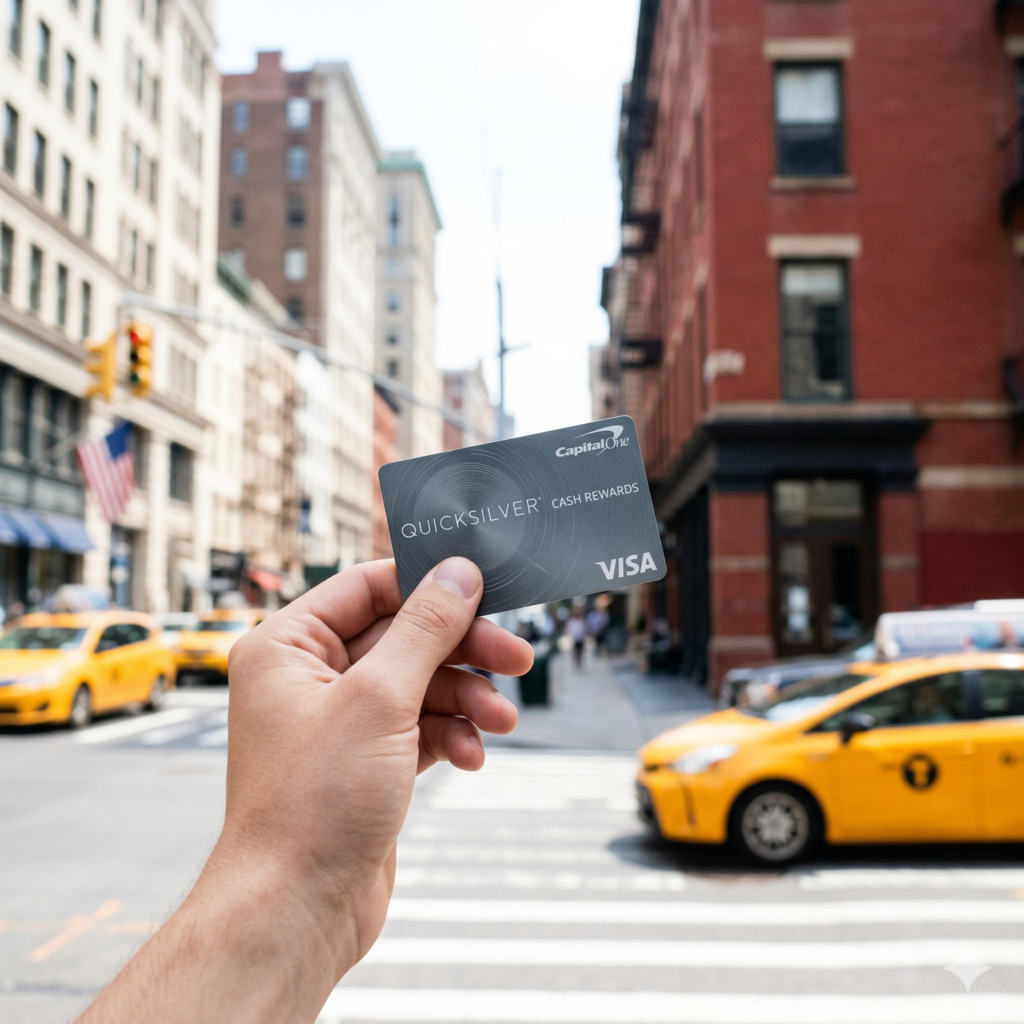
Navigating the world of personal finance can be intimidating, especially when you are trying to secure your very first credit card. Your credit score is more than just a number; it is a financial passport that determines your ability to rent an apartment, buy a car, or even land certain jobs.
This comprehensive guide will walk you through everything you need to know about getting approved for your first card, managing it responsibly, and avoiding the pitfalls that trap many beginners.
Why Your Credit Score is the Most Important Number in Your Financial Life
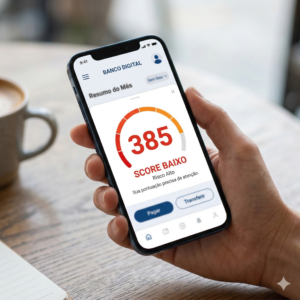
Before diving into applications, it is crucial to understand why you are doing this. A credit score is a three-digit number that tells lenders how risky it is to lend you money. In the U.S., the most common system is the FICO score, which ranges from 300 to 850.
When you have no credit history, you are an “invisible” consumer. Lenders have no data to judge your reliability. By getting your first credit card, you begin the process of “thickening” your credit file. A high score leads to:
-
Lower Interest Rates: Saving you thousands of dollars over your lifetime on mortgages and auto loans.
-
Easier Housing Approvals: Most landlords require a credit check before signing a lease.
-
No Security Deposits: Utility companies and cell phone providers often waive deposits for those with good credit.
Understanding the Basics: How Credit Cards Actually Work
A credit card is not free money; it is a revolving line of credit. Unlike a debit card, which pulls money directly from your bank account, a credit card allows you to borrow money from a bank up to a certain limit (your “credit limit”).
At the end of each billing cycle, the bank sends you a statement. You then have a “grace period” (usually 21–25 days) to pay back what you borrowed. If you pay the full balance by the due date, you pay zero interest. If you only pay the “minimum amount,” the bank charges interest (APR) on the remaining balance, which can lead to a cycle of debt.
The Catch-22 of Credit: How to Get a Card with No Credit History
Most “Premium” cards require a “Good” to “Excellent” credit score. As a beginner, you won’t qualify for these yet. Instead, you need to look at “Starter” products specifically designed for those with limited or no history.
1. Secured Credit Cards
This is the most reliable way to start. With a secured card, you provide a refundable security deposit (usually $200–$500) to the bank. This deposit acts as your credit limit. Because the bank has your deposit as collateral, they are much more likely to approve you even if you have zero credit history.
2. Student Credit Cards
If you are currently enrolled in a college or university, student cards are an excellent entry point. These are unsecured (no deposit required) and often come with modest rewards for good grades or spending at bookstores.
3. Store Credit Cards
Retailers like Amazon, Target, or Macy’s often have lower approval requirements. While these are easier to get, be cautious: they often come with very high interest rates and can only be used at that specific store.
Essential Requirements: What Banks Look for in a New Applicant
When you hit the “Apply” button, the bank’s algorithm looks at several key factors:
-
Age: You must be at least 18 years old. If you are under 21, federal law requires you to prove you have independent income to repay the debt.
-
Income: You don’t need to be wealthy, but you do need a steady source of funds. This can include wages from a job, scholarships, or even allowances.
-
Social Security Number (SSN) or ITIN: This is how the credit bureaus track your activity.
-
A U.S. Address: Banks need a physical location to verify your identity.
Step-by-Step Guide: How to Apply for Your First Credit Card

Applying for credit isn’t just about filling out a form; it requires a bit of strategy to ensure you don’t hurt your chances.
-
Check Your Current Status: Use a free tool to see if you have any existing credit footprints you didn’t know about.
-
Research “Pre-Approval” Offers: Many banks offer a “soft pull” pre-approval. This allows you to see if you are likely to be accepted without a “hard inquiry” hitting your credit report.
-
Gather Your Documents: Have your gross annual income figures and SSN ready.
-
Submit the Application: Most decisions are instant. If you are not instantly approved, don’t panic. Sometimes the bank just needs to verify your ID over the phone.
The Secret Weapon for Beginners: Becoming an Authorized User
If you have a family member or partner with a long history of responsible credit card use, you can ask them to add you as an Authorized User on their account.
The bank will issue a card in your name, but the primary holder is responsible for the bills. The “magic” here is that their entire positive history on that account may be reported on your credit file. This can jumpstart your score from zero to the high 600s or 700s almost overnight, making it much easier to get your own card.
Understanding APR and Fees: Don’t Let Hidden Costs Surprise You
As a beginner, you must read the “Schumer Box”—the standardized table of fees and interest rates provided with every credit card offer. Key terms include:
-
Annual Percentage Rate (APR): This is the cost of borrowing. For first-time cards, this is often high (20%–30%). Tip: If you pay your balance in full every month, the APR doesn’t matter because you will never pay interest.
-
Annual Fee: Many starter cards have $0 annual fees. Try to avoid paying a fee for your first card unless it offers significant benefits.
-
Late Fees: Missing a payment can cost up to $40 and severely damage your credit score.
How to Manage Your First Card Like a Pro to Skyrocket Your Score
Once the card arrives in the mail, the real work begins. Your behavior in the first six months is critical.
-
The 30% Rule (Credit Utilization): Even if your limit is $1,000, don’t spend $1,000. Try to keep your “utilization” below 30% ($300). Using too much of your available credit makes you look desperate for funds to the bureaus.
-
Autopay is Your Best Friend: Set up automatic payments for at least the minimum amount so you never miss a due date. However, aiming to pay the full statement balance is the gold standard.
-
Small, Consistent Purchases: Use the card for one small recurring expense—like a Netflix subscription—and pay it off immediately. This shows “active” and “responsible” use without the risk of overspending.
5 Common Mistakes That Could Ruin Your Credit Before It Starts
-
Applying for Too Many Cards at Once: Each application triggers a “hard inquiry.” Too many in a short period signals to banks that you are in financial trouble.
-
Treating It Like a Debit Card: Remember that the money isn’t yours yet. If you can’t afford it in cash today, don’t put it on the card.
-
Ignoring Your Statements: Check your transactions weekly to spot errors or fraudulent charges early.
-
Closing Your First Account: Even if you get a better card later, keep your first one open. The “age of credit history” is a major factor in your score.
-
Cash Advances: Never use your credit card at an ATM to get cash. The interest starts accruing immediately at a much higher rate than normal purchases.
What to Do If Your Credit Card Application Is Denied

A denial is not the end of the world. By law, the lender must send you an Adverse Action Notice explaining exactly why you were turned down.
-
If it’s because of “no history,” look into a secured card.
-
If it’s because of “insufficient income,” you may need to wait until your earnings increase or find a co-signer.
-
Wait at least 3 to 6 months before applying again to allow the inquiry impact to fade.
Moving Beyond Your First Card: When to Upgrade
After 6 to 12 months of on-time payments, your credit score will likely have improved significantly. This is the time to:
-
Request a Credit Limit Increase: This lowers your utilization and helps your score.
-
Graduate Your Secured Card: Many banks will automatically “graduate” you to an unsecured card and refund your deposit after a year of good behavior.
-
Look for Rewards: Now that you have a history, you can apply for cards that offer 1.5% to 2% cash back or travel points.
Patience is a Financial Virtue
Getting your first credit card is a marathon, not a sprint. By choosing the right starter card, paying your bills on time, and keeping your balances low, you are building a foundation for a prosperous life. Remember, a credit card is a powerful tool—when used correctly, it works for you; when used poorly, you work for it.