What to Do If Your Credit Card Is Cloned
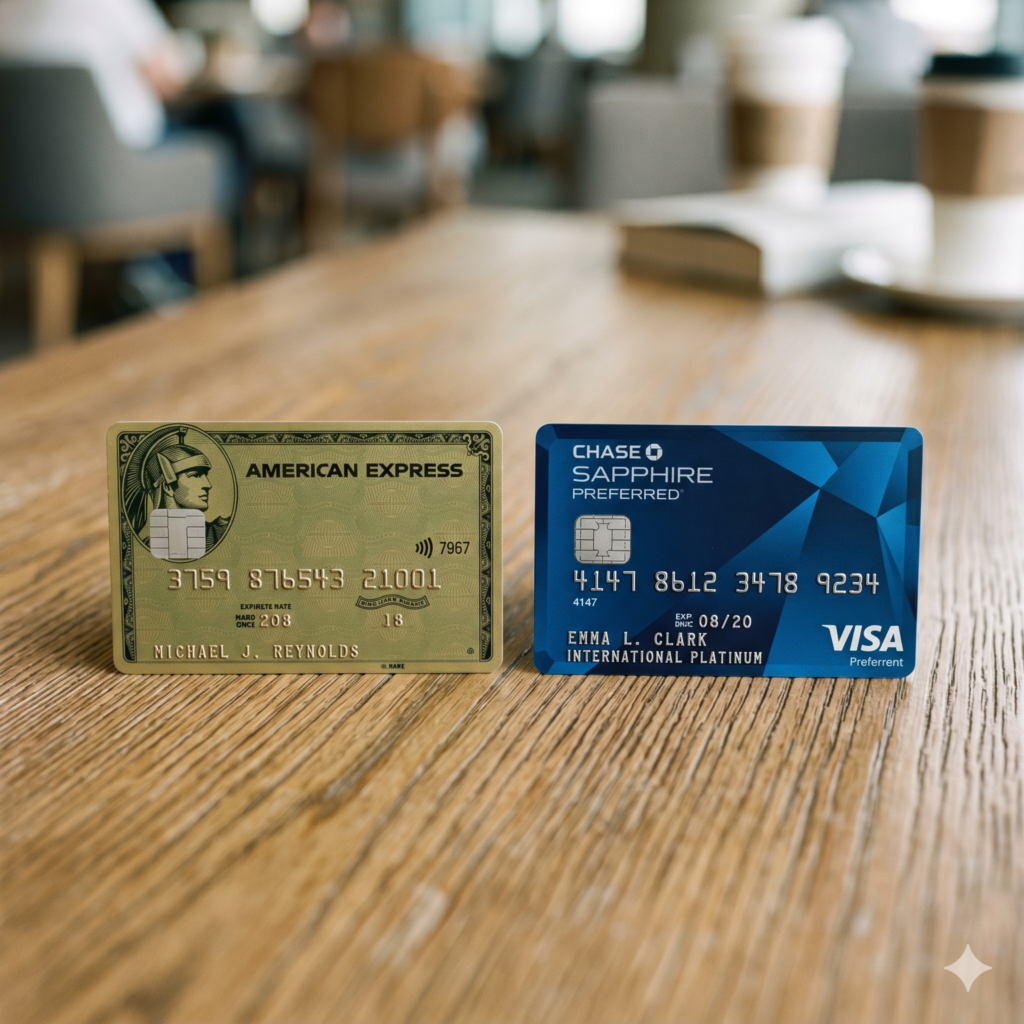
Discovering a suspicious transaction on your bank statement is a gut-wrenching moment. In an era where digital convenience is king, credit card “cloning”—the process where a thief steals your card information to create a physical or digital replica—has become an unfortunately common reality.
If you suspect your card has been cloned, you are likely feeling a mix of panic and frustration. However, the most important thing to do right now is act quickly. Credit card issuers have robust systems in place to protect you, but your level of liability often depends on how fast you report the incident.
This guide will walk you through the immediate actions you must take, the legal protections available to you, and the long-term steps to ensure your financial identity remains secure.
Identifying the Red Flags: How Do You Know Your Credit Card Was Cloned?

Before you can fix the problem, you have to be certain there is one. Thieves who clone cards are often sophisticated; they don’t always go for a $2,000 shopping spree immediately.
1. The “Micro-Charge” Test
Often, a thief will run a “test” charge of $1.00 or $0.50 at a gas station or an online retailer to see if the card is active. If the transaction goes through, they know the card is “live” and will proceed with larger purchases.
2. Unexpected Denials
If you try to use your card for a routine purchase and it is declined—despite having plenty of available credit—it might be because the bank’s fraud detection system has already flagged suspicious activity and “soft-locked” the account.
3. Verification Notifications
Receiving a text or email from your bank asking, “Did you make this purchase?” for a store you’ve never visited or a city you aren’t in is the clearest sign that your card data has been compromised.
Immediate Action Plan: The First 30 Minutes After Discovering Fraud
When it comes to credit card cloning, speed is your greatest ally. Follow these steps the moment you realize something is wrong.
1. Contact Your Credit Card Issuer Immediately
Do not wait for the “official” statement to arrive. Call the number on the back of your card or use the bank’s official mobile app.
-
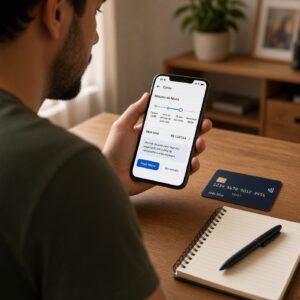
Request a Freeze: Most apps allow you to “Lock” or “Freeze” the card instantly. This prevents any new charges while you get a representative on the phone.
-
Report the Fraud: Tell them explicitly, “I believe my card has been cloned. There are transactions on my account that I did not authorize.”
2. Differentiate Between “Fraud” and “Dispute”
When talking to the bank, ensure they categorize this as fraud (cloning/theft) rather than a dispute (a product you bought but didn’t like). This ensures the correct legal protocols are triggered.
3. Change Your Online Banking Credentials
If a thief has cloned your card, they might also have access to your online banking portal or the email address associated with it. Change your password immediately and enable Multi-Factor Authentication (MFA) if you haven’t already.
How to Formally Dispute Unauthorized Charges with Your Bank
Reporting the theft is only half the battle; the next step is getting your money back. In the United States, consumers are protected by the Fair Credit Billing Act (FCBA).
The Investigation Process
Once you report the fraud, the bank will open an investigation. They typically have 90 days to resolve the issue. During this time, the bank will usually issue a provisional credit to your account. This is a temporary refund of the stolen funds while they verify the claim with the merchants involved.
Providing Evidence
The bank may ask for a formal “Affidavit of Fraud.” This is a signed document where you swear under penalty of perjury that you did not make the charges.
Note: If the bank discovers you actually made the charges or authorized someone else to do so, they will claw back the provisional credit and may close your account for filing a false claim.
The $50 Liability Limit
Under the FCBA, the maximum amount you can be held responsible for in the case of a lost or stolen credit card is $50. However, most major issuers (Chase, Amex, Citi, etc.) have a “Zero Liability” policy, meaning you won’t pay a single cent for unauthorized charges reported in a timely manner.
Reporting Identity Theft to the Authorities and Federal Agencies
Credit card cloning is rarely an isolated incident. Often, the card info is just one piece of data a criminal has. To protect your broader identity, you must report the crime to official channels.
| Agency | Why You Should Report |
| FTC (Federal Trade Commission) | Visit IdentityTheft.gov. This is the most important step for US residents. It provides a recovery plan and an official “Identity Theft Report” which you may need to show creditors. |
| Local Police Department | While local police rarely catch international card cloners, a police report is a powerful piece of evidence if the bank or a credit bureau denies your fraud claim. |
| USPIS (Postal Inspection Service) | If you suspect your card was stolen from your physical mailbox, report it to the Postal Inspection Service, as mail theft is a federal crime. |
Securing Your Credit Report: Freezing vs. Fraud Alerts
Once a card is cloned, there is a high chance the criminal has your name and perhaps other personal details. You must stop them from opening new accounts in your name.
Placing a Fraud Alert
A fraud alert tells lenders that they must take extra steps to verify your identity before issuing credit. You only need to contact one of the three major bureaus (Experian, TransUnion, or Equifax); they are legally required to notify the other two.
The “Credit Freeze” (The Ultimate Shield)
A credit freeze is more powerful than an alert. It completely blocks access to your credit report, meaning no one (including you) can open a new line of credit until you “thaw” the report using a secure PIN.
-
Cost: It is free by law.
-
Impact: It does not affect your current credit score.
-
Duration: It remains in place until you decide to remove it.
The Anatomy of Credit Card Cloning: Skimmers, Shimmers, and Digital Theft

Understanding how your card was cloned in the first place is the best way to prevent it from happening again. Thieves use three primary methods:
1. Skimmers
These are physical devices placed over the card slot on ATMs or gas pumps. When you slide your card in, the skimmer reads the magnetic stripe data. Often, a tiny “pinhole camera” is hidden nearby to record you typing your PIN.
2. Shimmers
As we moved to “Chip” (EMV) cards, thieves upgraded to “shimmers.” These are paper-thin devices inserted inside the card reader. They are invisible from the outside and can read the data from the card’s chip.
3. Digital Cloning (E-Skimming)
This happens online. Hackers inject malicious code into a retailer’s checkout page (a method known as Magecart). When you type your card info to buy a sweater, the data is simultaneously sent to the thief’s server.
Why Credit Cards Are Safer Than Debit Cards in Fraud Scenarios
If you have a choice, always use a credit card for daily purchases, especially at gas stations or online. The difference in fraud protection is massive.
-
Credit Cards: When a credit card is cloned, the thief is stealing the bank’s money. Your personal bank account remains untouched while the bank investigates.
-
Debit Cards: When a debit card is cloned, the thief is stealing your money. Your rent or mortgage payment could bounce while the bank takes weeks to investigate and return the funds.
Furthermore, the legal protections for debit cards (under the Electronic Fund Transfer Act) are much stricter regarding reporting timelines than the protections for credit cards.
Advanced Prevention: How to Protect Your New Card from Future Cloning
Once your bank sends you a replacement card with a new number, you need to implement a strategy to keep it safe.
Use Contactless Payments (NFC)
Apple Pay, Google Pay, and “Tap to Pay” cards are significantly more secure than swiping or inserting. They use “tokenization,” which means the merchant never receives your actual card number. Instead, they get a one-time-use code that is useless to a thief.
Inspect the Hardware
Before inserting your card into an ATM or gas pump, give the card reader a firm tug. If it feels loose, or if the plastic looks like a different shade than the rest of the machine, do not use it.
Set Up Real-Time Transaction Alerts
Go into your banking app and enable notifications for every single transaction. If a cloner tries to use your card at 3:00 AM, your phone will buzz immediately, allowing you to shut the card down before the second purchase is even made.
Digital Hygiene: Protecting Your Financial Life in an Online World
In the modern landscape, card cloning often starts with a digital slip-up.
-
Avoid Public Wi-Fi: Never check your bank account or make a purchase while on public airport or coffee shop Wi-Fi unless you are using a VPN (Virtual Private Network).
-
Use Virtual Card Numbers: Many banks (like Capital One or Citi) offer virtual card numbers for online shopping. This allows you to create a “throwaway” number for a specific website, keeping your real card number hidden.
-
Watch for Phishing: No bank will ever call you and ask for your CVV code or your password over the phone to “fix a fraud issue.” If you receive such a call, hang up and call the official number on the back of your card.
Reclaiming Your Financial Peace of Mind
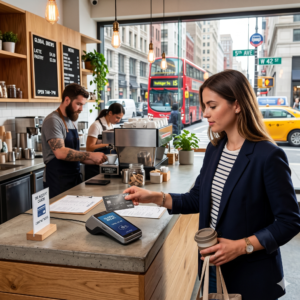
Having your credit card cloned is an invasive and stressful experience, but it doesn’t have to be a financial disaster. By acting within the first few minutes of discovery, utilizing the legal protections of the FCBA, and securing your credit reports, you can neutralize the threat before it spreads.
Remember, the bank is on your side in these cases—they lose money when fraud happens, too. Stay vigilant, check your statements weekly, and treat your credit card information with the same level of security you would treat the keys to your home.
Your Action Checklist:
-
Freeze the card via the app.
-
Call the bank to report fraud.
-
Dispute the specific charges.
-
Report to IdentityTheft.gov.
-
Freeze your credit reports with the three bureaus.
-
Update your automated payments (Netflix, gym, etc.) once the new card arrives.
Financial security isn’t about never being a victim; it’s about knowing exactly what to do when you are. Stay safe out there.