Vanguard’s Most Popular ETFs and How They Work
image for illustrative purposes only.
Exchange-traded funds have completely transformed how modern individuals approach the financial markets. By combining the broad diversification of mutual funds with the intraday liquidity of individual stocks, these passive investment instruments make building a robust portfolio accessible to anyone with a brokerage account. When evaluating the global landscape of asset management companies, Vanguard consistently emerges as an industry leader. Founded by John C. Bogle, the firm popularized index investing by championing a simple but revolutionary idea: keeping management fees as low as possible allows retail investors to keep a larger share of their market returns.
Today, managing trillions of dollars in assets, Vanguard offers some of the most liquid and cost-effective funds in the financial world. For individuals building a long-term retirement nest egg or optimizing a tactical taxable account, selecting the right vehicle requires a deep understanding of core asset classes. Examining the operational mechanics, underlying benchmarks, and specific asset allocations of the most popular Vanguard funds provides a clear blueprint for assembling a resilient, diversified portfolio.
Understanding the Mechanics of Broad Market Equity Funds
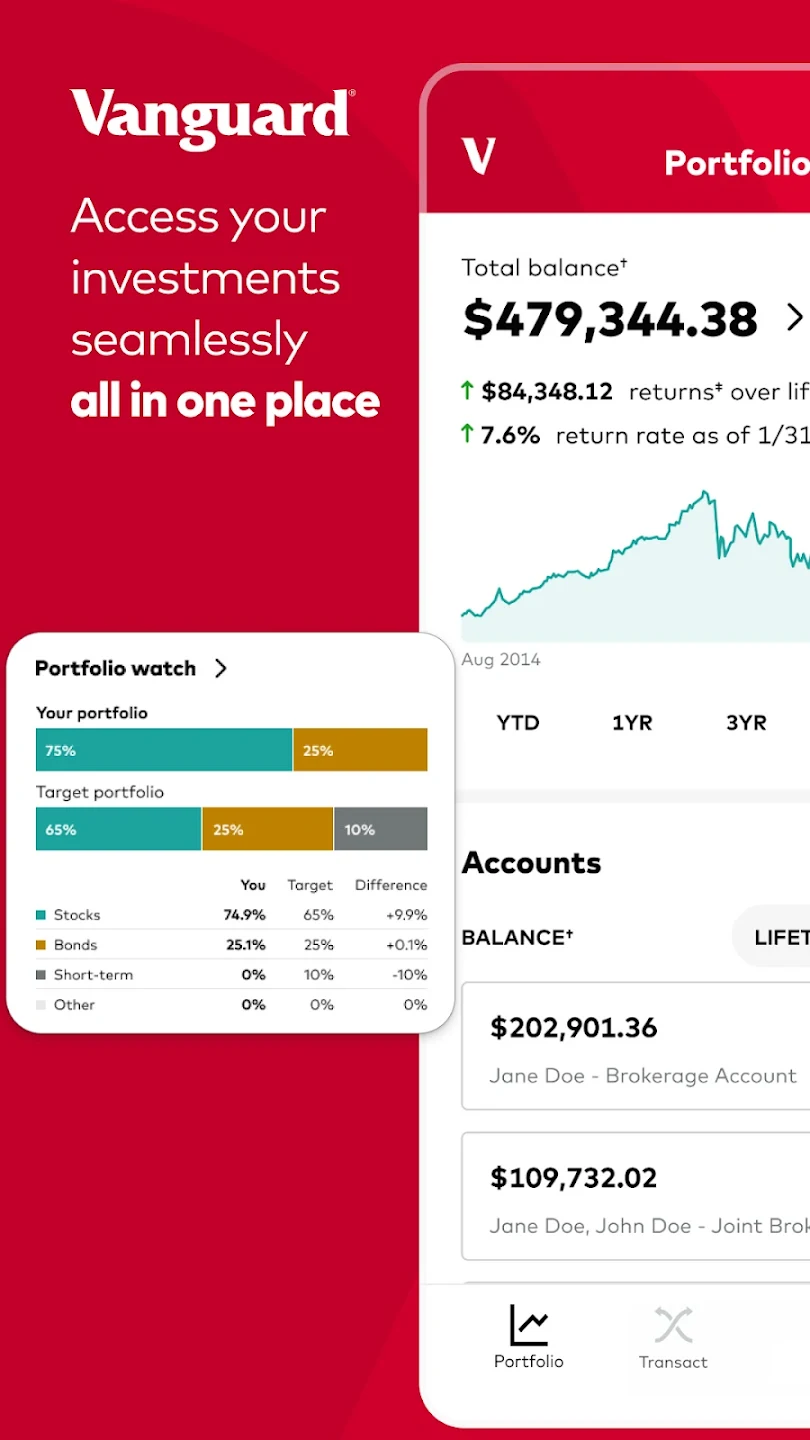
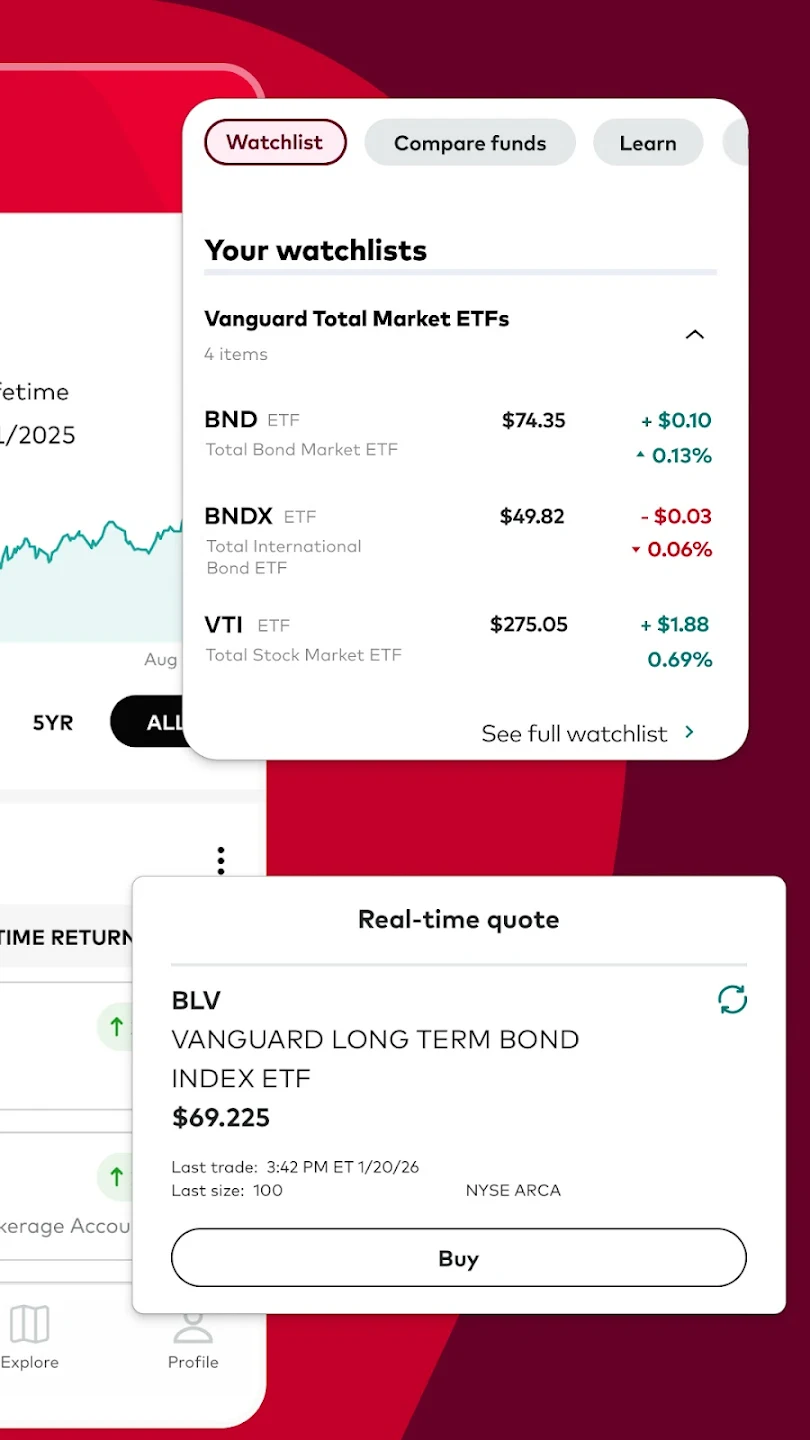
Broad market equity funds serve as the foundational bedrock for millions of long-term investment portfolios. To comprehend why these vehicles are so widely recommended, it is necessary to examine how they replicate major financial benchmarks. Vanguard utilizes a passive management strategy, meaning the fund managers do not try to pick winning stocks. Instead, they buy and hold all, or a representative sample of, the securities contained within a specific market index.
This structural approach offers significant operational efficiencies:
- Minimized Portfolio Turnover: Because the funds only buy or sell shares when the underlying index changes, transaction costs within the fund remain remarkably low.
- Mitigation of Manager Risk: Performance is tied directly to the broader economy rather than the subjective choices of an active stock picker.
- Enhanced Tax Efficiency: The unique creation and redemption mechanism of exchange-traded funds allows Vanguard to swap shares with institutional market makers via “in-kind” transfers, preventing the realization of capital gains that would otherwise be passed down to everyday retail accounts.
For those looking to capture the growth of the corporate landscape, these funds provide a direct, low-cost pipeline to compounding wealth.
Vanguard S&P 500 ETF (VOO) Analysis and Index Tracking
The Vanguard S&P 500 ETF, known by its stock ticker VOO, is one of the largest and most heavily traded investment vehicles in existence. Its primary objective is to track the performance of the S&P 500 Index, which represents approximately 500 of the largest, most stable publicly traded corporations in the United States.
Portfolio Allocation and Sector Exposure
When an individual buys a single share of VOO, they are instantly purchasing a fractional stake in America’s most dominant enterprises. The fund is market-capitalization weighted, meaning that larger companies comprise a higher percentage of the total portfolio. This structure naturally gives prominent technology, healthcare, and financial giants a substantial influence over the fund’s daily price movements.
While the heavy concentration in mega-cap technology firms can occasionally lead to heightened short-term volatility, it also ensures that the fund fully captures the upside of the market’s most innovative growth engines. The primary sectors represented within VOO include information technology, consumer discretionary, financials, communication services, and industrials.
Cost Structure and Tracking Efficiency
The primary competitive advantage of VOO lies in its exceptionally low expense ratio. At just 0.03%, the annual management fee is practically negligible, meaning that for every $10,000 invested, an individual pays a mere $3 per year to Vanguard.
This ultra-low fee structure allows VOO to maintain an incredibly tight tracking error. The fund delivers performance numbers that mirror its underlying index almost perfectly, ensuring that retail portfolios receive the exact returns of the large-cap market without being dragged down by administrative costs.
Vanguard Total Stock Market ETF (VTI) vs VOO Differences
A frequent point of confusion for those optimizing their brokerage accounts is the choice between the Vanguard Total Stock Market ETF (VTI) and VOO. While both are heavily weighted toward large-cap corporations, their underlying mandates differ in scope and market coverage.
| Strategic Metric | Vanguard S&P 500 ETF (VOO) | Vanguard Total Stock Market ETF (VTI) |
|---|---|---|
| Underlying Index | S&P 500 Index | CRSP US Total Market Index |
| Total Holdings | Approximately 500 large-cap stocks | Over 3,600 large, mid, small, and micro-cap stocks |
| Market Coverage | ~80% of the investable US equity market | ~100% of the investable US equity market |
| Expense Ratio | 0.03% | 0.03% |
| Primary Advantage | Focus on established blue-chip giants | Comprehensive exposure to all capitalization tiers |
Exploring the Mid-Cap and Small-Cap Factor
VTI tracks the CRSP US Total Market Index, holding thousands of individual stocks. By expanding its reach beyond the top 500 enterprises, VTI introduces exposure to mid-sized and small-sized corporations.
Historically, smaller companies have possessed higher growth potential, albeit paired with greater price volatility. When small-cap firms experience rapid expansion, VTI holders benefit automatically as those businesses grow within the index. VOO, by contrast, will only add those corporations once they cross the threshold into the S&P 500, missing out on their early-stage growth acceleration.
Historical Performance Correlation
Despite the massive difference in the number of holdings, the historical price correlation between VTI and VOO remains extremely tight. Because both funds use market-capitalization weighting, the top 500 companies still dominate roughly 80% of VTI’s total asset weight.
Consequently, the performance charts of these two funds move in near-lockstep over extended market cycles. Choosing between them ultimately depends on whether an investor prefers pure exposure to established market leaders or a broader approach that includes the entire spectrum of public businesses.
Evaluating International Diversification Through Vanguard Total International Stock ETF (VXUS)
Focusing exclusively on domestic companies introduces a behavioral bias known as home-country asset concentration. To build a truly global investment portfolio, adding international exposure is standard practice. The Vanguard Total International Stock ETF, trading under the ticker VXUS, offers a comprehensive solution for capturing market returns outside domestic borders.
Regional Breakdown and Global Reach
VXUS tracks the FTSE Global All Cap ex US Index, providing exposure to thousands of corporations located across developed and emerging market economies. The fund’s largest geographic allocations typically center on:
- Developed European Markets: Significant weightings in stable industrial economies like the United Kingdom, France, Germany, and Switzerland.
- Developed Pacific Markets: Substantial exposure to mature Asian economies, primarily Japan and Australia.
- Emerging Market Economies: Growth-oriented exposure to developing nations, including China, India, Brazil, and Taiwan.
This broad distribution ensures that an investor’s net worth is not solely dependent on the economic health, regulatory policies, or currency fluctuations of a single nation.
Currency Risks and Corporate Growth Dynamics
Investing in international equities via VXUS introduces unique variables, most notably foreign currency risk. Because the underlying assets are denominated in Euros, Yen, Pounds, and other global currencies, the fund’s net asset value fluctuates based on the strength of the domestic currency. If the home currency weakens against foreign currencies, the value of international holdings increases; conversely, a strengthening domestic currency can act as a temporary headwind for overseas returns.
Furthermore, international corporations often operate under different regulatory frameworks and dividend distribution cultures, frequently resulting in higher average dividend yields compared to growth-heavy domestic indexes.
Dividend Investing Strategies with Vanguard High Dividend Yield ETF (VYM)

For individuals seeking regular income distributions from their portfolios, capital appreciation is only one part of the equation. Income-focused strategies often rely on vehicles explicitly engineered to capture consistent cash flow. The Vanguard High Dividend Yield ETF (VYM) is purpose-built to fulfill this exact investment mandate.
Screening for Sustainable Yields
VYM tracks the FTSE High Dividend Yield Index, which filters the domestic equity landscape to isolate stocks that pay above-average dividends. Crucially, the fund’s methodology excludes real estate investment trusts (REITs) and prioritizes companies with a proven track record of maintaining stable cash payouts.
This screening process naturally tilts the portfolio away from highly volatile tech startups and reallocates capital toward mature, cash-generative sectors. Financial services, consumer staples, healthcare, energy, and industrial giants typically form the largest allocations within VYM.
The Mechanics of Compounding Dividend Growth
While VYM provides a higher current yield than broad-market index funds, its real power lies in the concept of dividend growth. The corporations held within VYM are generally mature market leaders with stable balance sheets. Over time, these enterprises regularly increase their cash payouts to shareholders.
For long-term investors who opt to automatically reinvest these quarterly payments through a dividend reinvestment plan (DRIP), this process triggers a powerful compounding loop. The reinvested dividends purchase additional fractional shares of the ETF, which then generate even larger dividend payments in subsequent quarters, accelerating wealth accumulation independent of nominal share price fluctuations.
Fixed Income Management via Vanguard Total Bond Market ETF (BND)
A complete investment strategy rarely relies entirely on equities. Asset classes like fixed income play a vital role in balancing volatility and preserving capital during equity market downturns. The Vanguard Total Bond Market ETF, known by its ticker BND, is the industry-standard vehicle for comprehensive fixed-income exposure.
Bond Credit Quality and Interest Rate Risk
BND tracks the Bloomberg U.S. Aggregate Float Adjusted Index, offering exposure to thousands of investment-grade public, corporate, and international dollar-denominated bonds. The core composition of BND is heavily weighted toward security and stability:
- U.S. Government Treasuries: Backed by the full faith and credit of the government, providing the highest level of credit safety available.
- Government-Backed Mortgage Securities: Offering stable income yields with minimal default risk.
- High-Grade Corporate Debt: Bonds issued by financially secure blue-chip corporations seeking to fund capital expenditures.
Because the fund focuses strictly on investment-grade debt, credit default risk is exceptionally low. However, fixed-income vehicles remain sensitive to interest rate fluctuations. When central banks raise benchmark interest rates, older bonds with lower yields drop in market value, causing temporary declines in BND’s share price. Conversely, when interest rates decline, bond prices rise, creating capital appreciation alongside the monthly income distributions.
The Role of Fixed Income in Portfolio Risk Mitigation
The primary function of incorporating BND into a portfolio is to serve as a financial shock absorber. Equities inherently carry higher risk and volatility; during economic contractions, stock indices can experience severe drawdowns.
Fixed-income securities typically exhibit a low or negative correlation to stock markets during periods of economic duress. Holding an appropriate allocation of BND provides a reliable buffer of liquidity and steady monthly income, preventing investors from being forced to liquidate depressed stock positions to cover living expenses or rebalancing needs.
Optimizing Growth Potential with Vanguard Growth ETF (VUG)
On the opposite end of the risk spectrum from fixed income sit concentrated growth vehicles. Investors with extended time horizons and an elevated risk tolerance often look to outpace broad market averages by focusing heavily on companies expanding at an accelerated rate. The Vanguard Growth ETF (VUG) is designed to capture this specific market segment.
Growth Factor Screening Methodology
VUG tracks the CRSP US Large Cap Growth Index, utilizing multi-factor metrics to identify companies exhibiting strong growth characteristics. The index evaluates corporations based on future earnings growth forecasts, historical sales growth, current jump in profitability, and capital investment intensity.
This rigorous filtering process results in a portfolio heavily concentrated in the technology, consumer discretionary, and digital communication sectors. Companies within VUG typically reinvest their profits directly back into research and development, artificial intelligence infrastructure, and market expansion rather than distributing cash via dividends.
Managing Concentration Risk and Market Volatility
Because VUG prioritizes fast-growing enterprises, it naturally carries a high degree of concentration risk. A massive percentage of the fund’s total assets are tied up in the top ten largest technology corporations.
During prolonged bull markets driven by technological innovation, VUG frequently outperforms broad market indices like VOO and VTI. However, this outperformance comes at the cost of significantly higher volatility. When macroeconomic shifts occur—such as sudden spikes in inflation or rising interest rates that discount the value of future earnings—growth stocks often face steep sell-offs. Investors utilizing VUG must possess the emotional discipline to withstand sharp, short-term portfolio drawdowns in exchange for long-term capital appreciation potential.
Implementing Vanguard ETFs Within a Cohesive Portfolio Strategy

Acquiring a deep knowledge of individual funds is only useful if it leads to a practical execution strategy. Building a reliable portfolio involves selecting a combination of these instruments that aligns perfectly with your individual time horizon, financial goals, and emotional risk tolerance.
A classic framework embraced by modern financial planning is the “Three-Fund Portfolio.” This simple but highly effective setup combines three distinct elements to capture the entirety of the world’s productive wealth:
- A Broad Domestic Stock Fund: Utilizing VTI or VOO to capture the full economic output of corporate America.
- A Comprehensive International Stock Fund: Deploying VXUS to ensure participation in global economic expansions outside the domestic market.
- A Total Market Bond Fund: Employing BND to provide portfolio stability, capital preservation, and consistent monthly cash flow.
By adjusting the percentage allocations among these three pillars, an individual can seamlessly shift their strategic stance. A younger professional with decades until retirement might adopt an aggressive posture, allocating 90% of their capital to VTI and VXUS, leaving just 10% in BND. As retirement approaches, managing risk becomes paramount; shifting the allocation toward BND and income-generating vehicles like VYM helps lock in wealth and establish a reliable stream of cash distributions to fund daily living expenses.
The ultimate success of an investment program does not depend on timing the market or hunting for speculative individual stocks. Success is driven by minimizing management fees, maintaining broad diversification across asset classes, and consistently adding capital through all market cycles. By utilizing Vanguard’s low-cost, highly liquid exchange-traded funds, regular investors can build institutional-grade portfolios capable of compounding wealth safely and efficiently for decades to come.