How to Strategically Boost Your Credit Score for Financial Freedom
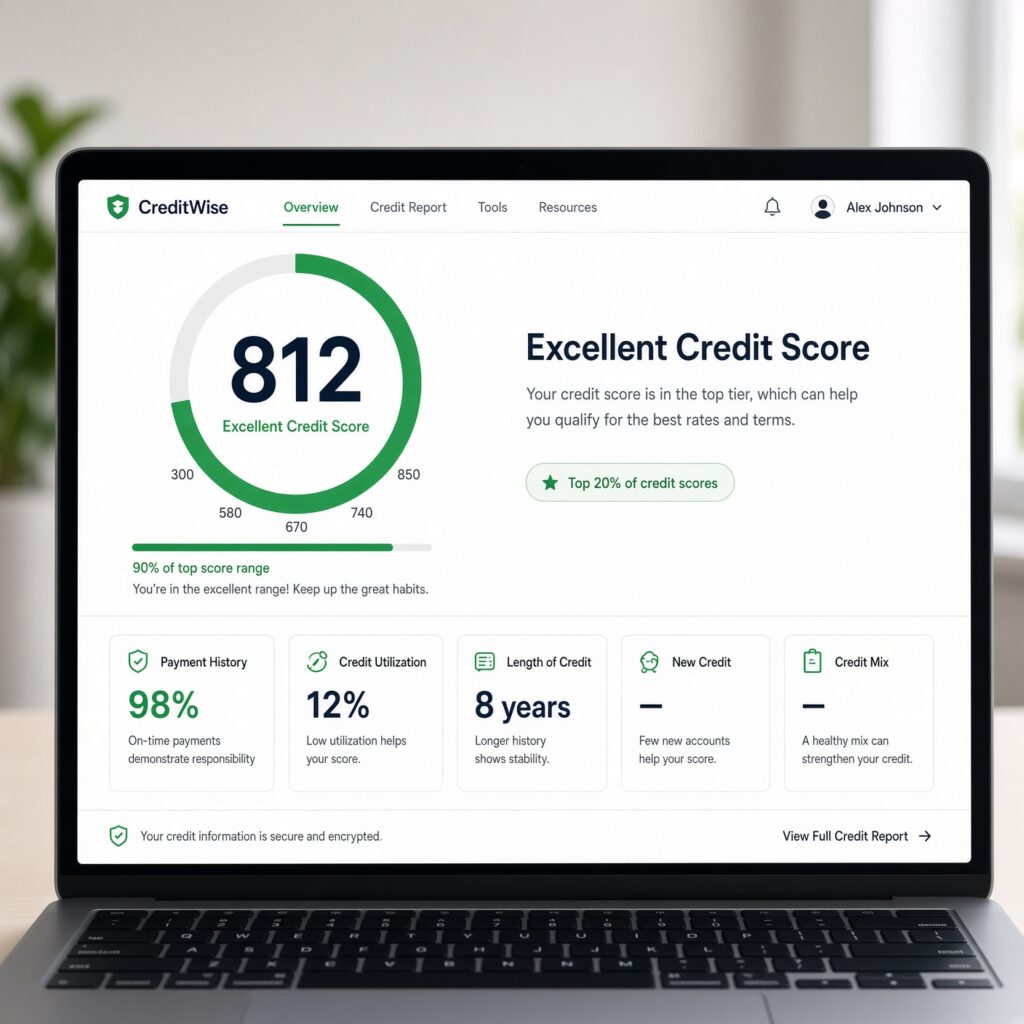
image for illustrative purposes only.
Your credit score is much more than just a three-digit number; it is a vital financial passport that influences nearly every major milestone in your life. Whether you are planning to purchase a home, buy a car, secure a business loan, or even rent an apartment, lenders rely heavily on this metric to evaluate your creditworthiness. A higher score translates directly into lower interest rates, higher credit limits, and substantial savings over time, while a lower score can cost you thousands of dollars in unnecessary interest payments and missed opportunities.
Navigating the complexities of credit scoring models can feel overwhelming, but mastering the fundamentals and applying advanced financial strategies can significantly accelerate your progress. This comprehensive blueprint outlines everything you need to know to take control of your financial profile, eliminate negative factors, and build a robust credit history that opens doors to long-term financial success.
Deconstructing the Credit Scoring Ecosystem

Before you can effectively improve your credit score, you must understand the underlying mechanics of how credit bureaus calculate it. In the United States, the two primary scoring models are FICO and VantageScore, with FICO being the industry standard utilized by the vast majority of traditional lenders. Both models analyze data from the three major credit reporting agencies: Equifax, Experian, and TransUnion.
Your FICO score is determined by five distinct categories, each weighted differently:
-
Payment History (35%): The single most influential factor. Lenders want to see a consistent, unbroken track record of paying your bills on time.
-
Amounts Owed / Credit Utilization (30%): This measures how much revolving credit you are currently using compared to your total available credit limit.
-
Length of Credit History (15%): The average age of all your open and closed credit accounts, as well as the age of your oldest and newest accounts.
-
Credit Mix (10%): The variety of credit products you manage, such as credit cards, installment loans, mortgages, and retail accounts.
-
New Credit (10%): The frequency with which you apply for and open new credit accounts within a short period.
Understanding these weightings allows you to prioritize your efforts where they will yield the highest return on investment. Rather than guessing which action to take next, you can focus squarely on the behaviors that drive rapid and sustainable score improvement.
Conducting a Comprehensive Credit Report Audit
The first step in any serious credit-building journey is gathering and thoroughly reviewing your credit reports from all three major bureaus. Federal law entitles you to a free copy of your credit report annually through official channels, and checking your own report constitutes a “soft inquiry,” which has zero impact on your score.
When analyzing your reports, examine every line item with meticulous attention to detail. Common errors that can artificially depress your score include:
-
Accounts that do not belong to you: Potential indicators of identity theft or mixed files with individuals sharing similar names.
-
Incorrect payment statuses: Payments marked as late when they were actually submitted on time.
-
Outdated negative information: Negative marks, such as standard late payments or settled collections, that have exceeded the legal reporting timeframes (typically seven years for most negative items and ten years for Chapter 7 bankruptcy).
-
Duplicate accounts: The same debt being reported by multiple collection agencies simultaneously.
If you identify any inaccuracies, you have the legal right to dispute them directly with the respective credit bureau and the data furnisher. The bureau is legally obligated to investigate your claim, usually within 30 days, and remove or correct any information that cannot be verified. Successfully removing erroneous negative marks can result in a rapid, noticeable jump in your credit score.
Mastering Payment History and Establishing Bulletproof Routines
Because payment history accounts for over a third of your total score, establishing flawless payment habits is non-negotiable. A single missed payment reported past the 30-day mark can remain on your credit report for up to seven years, exerting a compounding negative drag on your overall profile.
To eliminate the risk of accidental oversight, implement systematic automation:
-
Enroll in Auto-Pay: Set up automatic minimum payments for all your revolving and installment accounts through your financial institutions. This ensures that even if you travel, fall ill, or get overwhelmed with work, your accounts will never register a late payment.
-
Create Notification Buffers: Configure calendar reminders and mobile alerts for at least five to seven days before your actual due dates. This gives you ample time to review your statements, verify charges, and ensure sufficient funds are available in your checking account.
-
Prioritize Current Obligations: If you are facing financial hardship and cannot pay all your bills in full, never skip payments on secured obligations like mortgages or auto loans. Instead, proactively contact your creditors before a payment is due to discuss hardship programs, temporary forbearances, or modified payment plans.
For accounts that already carry past-due balances, address them immediately. Bringing accounts current stops the clock on ongoing delinquency reporting and begins rebuilding positive momentum.
Optimizing Credit Utilization for Maximum Score Impact
Credit utilization is the second most critical factor in your credit score calculation, and it is also the factor you can manipulate most quickly to see dramatic results. Your utilization ratio is calculated by dividing your total revolving balances by your total revolving credit limits.
Financial experts universally recommend keeping your overall utilization ratio below 30%, but individuals striving for exceptional credit scores (typically 740 and above) often maintain an aggregate utilization below 10%.
Consider this practical example: If you have two credit cards, each with a $5,000 limit, your total available revolving credit is $10,000. If your combined balance across both cards is $4,000, your utilization ratio is 40%, which can negatively impact your score. Paying that balance down to $2,000 brings your utilization to 20%, and dropping it below $1,000 unlocks the highest scoring tiers.
Advanced Utilization Strategies
To maximize the efficiency of your credit utilization, implement these tactical approaches:
-
The Micro-Payment Method: Do not wait for your monthly statement closing date to pay your balance. Instead, make multiple smaller payments throughout the month—such as bi-weekly or after every major purchase. This ensures that your reported balance remains low regardless of when the card issuer reports to the credit bureaus.
-
Strategic Statement Timing: Credit card companies typically report your balance to the bureaus on the date your billing cycle closes, not your actual payment due date. Find out your exact statement closing date and ensure your balance is paid down significantly before that specific date occurs.
-
Request Credit Limit Increases: If you have maintained a solid payment history and your income has increased, request a credit limit increase from your card issuers. If approved, your total available credit expands instantly, which automatically lowers your utilization ratio even if your spending habits remain unchanged. Be sure to ask whether the request requires a hard or soft credit inquiry.
Leveraging Length of Credit History and Strategic Account Management

The age of your credit accounts contributes 15% to your scoring profile. This category evaluates the age of your oldest account, the age of your newest account, and the average age of all accounts combined. Because time is the primary ingredient here, patience is essential, but proactive management protects what you have built.
-
Keep Old Accounts Open: One of the most common mistakes consumers make is closing older credit card accounts once they pay them off or stop using them. Unless the card carries an exorbitant annual fee that outweighs its benefits, keep the account open. Closing an old account shortens your average account age and reduces your total available credit limit, both of which can cause your score to drop.
-
Maintain Low-Level Activity: To prevent a lender from closing an inactive account due to non-use, charge a small, recurring subscription or purchase to the card every few months and set it on auto-pay to be paid in full immediately.
-
Become an Authorized User: If a trusted family member or spouse has an older credit card account with an immaculate payment history, a high limit, and low utilization, ask them to add you as an authorized user. The history of that account will often populate on your credit report, instantly bolstering your account age, available credit, and payment history metrics. Ensure the primary account holder practices exemplary financial habits, as any mismanagement on that account can negatively impact your profile as well.
Diversifying Your Credit Mix Responsibly
Lenders prefer to see that you can manage various types of credit responsibly over time. A healthy credit mix includes both revolving credit (such as credit cards and lines of credit) and installment loans (such as auto loans, student loans, personal loans, and mortgages).
While you should never open a loan purely for the sake of improving your credit mix—since the interest costs and fees rarely justify the minor score boost—understand how existing loans factor into your profile. If your credit profile consists solely of revolving credit cards, adding a modest installment loan or vice versa over time can round out your financial profile and satisfy scoring algorithms that reward versatility.
When managing installment loans, remember that making extra principal payments reduces your overall debt burden, decreases your total interest paid over the life of the loan, and demonstrates fiscal discipline to future lenders.
Navigating New Credit Inquiries and Applications Wisely
Every time you formally apply for a new credit card, mortgage, or loan, the prospective lender initiates a hard inquiry to review your credit report. A single hard inquiry typically causes a minor, temporary dip of a few points in your credit score. However, accumulating multiple hard inquiries within a short timeframe signals to lenders that you may be experiencing financial distress or taking on excessive risk, which can severely penalize your score.
Best Practices for Managing Inquiries
-
Rate Shopping Smartly: Scoring models recognize that consumers shop around for the best rates on major loans like mortgages, auto loans, or student loans. Consequently, multiple inquiries for the same type of loan grouped within a specific window (usually ranging from 14 to 45 days, depending on the specific scoring model version) are consolidated and counted as a single inquiry.
-
Research Before Applying: Before submitting a formal credit application, check pre-qualification tools offered by financial institutions. These tools utilize soft inquiries, allowing you to see your likelihood of approval without impacting your credit score.
-
Space Out Applications: Avoid applying for multiple new credit cards or loans in rapid succession. Allow at least six months between new credit applications to keep your average account age stable and minimize hard inquiries.
Utilizing Alternative Data and Non-Traditional Credit Building Tools
For individuals with thin credit files, recovering from past financial setbacks, or starting from scratch, traditional credit-building methods can present a Catch-22: you need credit to get credit. Fortunately, modern financial technology offers innovative solutions to establish a positive credit history without relying solely on traditional revolving accounts.
-
Rent Reporting Services: Rent is often your largest monthly expense, yet historically, on-time rent payments have not been automatically reported to credit bureaus. Today, various third-party services can report your monthly rental payments to major credit bureaus, helping you build a robust payment history effortlessly.
-
Utility and Telecom Reporting: Similar to rent, services exist that allow you to add your regular utility bills, internet service, and mobile phone payments to your credit report, rewarding you for consistent, on-time payments.
-
Credit-Builder Loans: Offered by specialized financial institutions and credit unions, credit-builder loans function differently from traditional loans. The lender places the loan amount into a locked savings account or certificate of deposit while you make fixed monthly payments. Once the loan is fully paid off, the funds are released to you, and your consistent payment history is reported to the credit bureaus.
-
Secured Credit Cards: If you cannot qualify for traditional unsecured credit cards due to a lack of history or past negative marks, a secured credit card is an exceptional alternative. You provide a cash security deposit, which typically serves as your credit limit. You use the card for small, everyday purchases and pay the balance off in full each month. Over time, responsible usage demonstrates your creditworthiness, allowing the issuer to graduate you to an unsecured card and refund your deposit.
Monitoring Your Progress and Protecting Your Financial Health

Improving your credit score is a marathon, not a sprint. While certain strategies like optimizing credit utilization can yield results within 30 to 45 days, building a deeply established, high-tier credit profile requires consistency over months and years.
Establish a routine for monitoring your financial health:
-
Leverage Free Financial Dashboards: Utilize reputable credit monitoring applications that provide regular updates on your score and alert you instantly to any significant changes, new inquiries, or suspicious activity.
-
Practice Vigilant Cyber Hygiene: Protect your personal and financial information from identity theft. Use strong, unique passwords for all financial accounts, enable multi-factor authentication everywhere it is available, and never share sensitive Social Security or account numbers over unsecured channels.
-
Freeze Your Credit When Necessary: If you are not actively applying for new credit, consider placing a security freeze on your credit reports with all three major bureaus. A freeze prevents new lenders from accessing your credit report, effectively blocking identity thieves from opening fraudulent accounts in your name. You can temporarily lift or thaw the freeze whenever you legitimately need to apply for credit.
By understanding the underlying mechanics of credit scoring, auditing your reports for accuracy, mastering payment routines, optimizing utilization ratios, and utilizing modern credit-building tools, you set the foundation for enduring financial well-being. Take action today, implement these strategies systematically, and watch your credit score transform into a powerful asset that propels you toward your most ambitious financial goals.