How to use coupons and apps to save money at restaurants
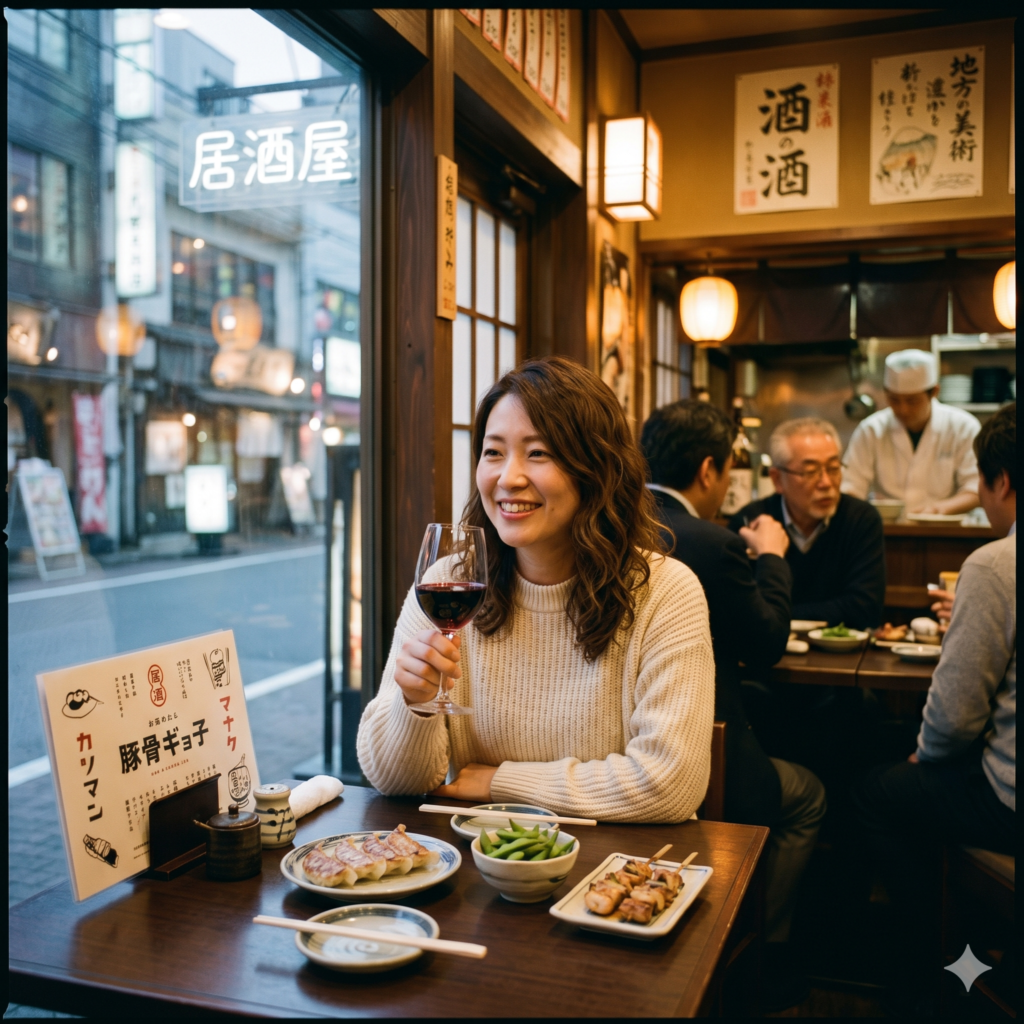
Dining out is one of life’s simple pleasures, but in today’s economy, it can quickly become a significant financial burden. Whether it’s a quick lunch between meetings or a celebratory dinner with family, the cost of food away from home has risen steadily. However, being a savvy diner in 2026 doesn’t mean you have to stay cooped up in your kitchen every night.
By mastering the world of restaurant apps, digital coupons, and strategic rewards programs, you can slash your dining expenses by 30% to 50% without sacrificing the quality of your experience. This guide will walk you through the most effective strategies to eat well while keeping your budget firmly intact.
The Power of Direct Brand Apps and Loyalty Programs
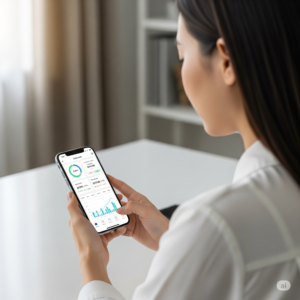
In the current digital landscape, every major restaurant chain—and many local mom-and-pop shops—has its own mobile app. These aren’t just for ordering; they are data-driven loyalty engines designed to reward frequent customers.
Why You Should Download the App Before You Arrive
Most restaurants offer a “Sign-up Bonus” just for downloading their app and creating an account. This is often a completely free item, such as an appetizer, a drink, or a dessert, with no purchase necessary.
Pro-Tip: If you are dining with a group, have everyone download the app. If four people sign up for a rewards program at a burger joint, you could potentially walk away with four free sides or shakes, significantly lowering the total bill.
Mastering the Points System
Once you have the app, every dollar you spend earns you points. In 2026, many apps have moved to “tiered” rewards. For example, 500 points might get you a free drink, but 1,500 points could get you a full entree.
-
The Strategy: Save your points for the most expensive items on the menu. Don’t waste 500 points on a $2 coffee if you can save up for a $12 sandwich.
-
Double Point Days: Watch for “Double Point Tuesdays” or similar promotions. These allow you to reach your free meal goals twice as fast.
Third-Party Cashback Apps: Getting Paid to Eat Out
Beyond the individual restaurant apps, there is a whole ecosystem of third-party platforms that offer cashback on dining. These are essential because they often “stack” with other discounts.
Upside and Dosh: The Leaders in Passive Savings
Apps like Upside and Dosh have revolutionized how we save.
-
Upside: Originally known for gas savings, Upside now partners with thousands of restaurants. You simply “claim” an offer in the app, pay with your linked credit card, and receive a percentage of your bill back as cash.
-
Dosh: This app is even more passive. Once you link your credit card, Dosh automatically detects when you dine at a partner restaurant and deposits cashback into your account. There are no coupons to scan or codes to enter.
Rakuten and Yelp Guest Manager
Many people use Rakuten for online shopping, but their “In-Store Cashback” feature includes hundreds of dining options. Similarly, Yelp often offers “Yelp Cash Back” for checking in or paying through their platform.
The Digital Coupon Revolution: Beyond the Sunday Paper
Gone are the days of clipping paper coupons from the back of grocery receipts. In 2026, the best coupons are found in your pocket.
Groupon and LivingSocial
While they’ve been around for years, Groupon and LivingSocial remain goldmines for high-end dining and local favorites. You can often find vouchers like “$20 for $40 worth of food.”
-
The Caveat: Always read the fine print. Many Groupons cannot be used on Friday or Saturday nights, or they may exclude alcohol.
-
SEO Insight: Searching for “restaurant deals near me” on these platforms is a great way to discover new places at half the price.
RetailMeNot and Honey
Before you finalize a mobile order, always check RetailMeNot or use the Honey browser extension. These platforms aggregate promo codes for delivery and pickup. Even a “10% off” code can cancel out the cost of taxes or a small tip.
Leveraging Birthday Rewards and Anniversary Freebies
If you aren’t signed up for restaurant newsletters, you are leaving free food on the table every year. Restaurants view your birthday as a prime opportunity to get you through the door, and they are willing to pay for it.
How to Build a “Birthday Month” Strategy
Create a dedicated email folder for restaurant newsletters. In the month of your birthday, you will likely receive:
-
Free Entrees: Many steakhouses and casual dining spots offer a “Buy One Get One” (BOGO) or a flat-out free meal.
-
Dessert Platters: Almost every chain offers a free sweet treat.
-
Point Boosts: Some apps will gift you enough points to reach your next reward level instantly.
The Insider Trick: Don’t just sign up for yourself. Sign up for your spouse, your children, and even your “half-birthday.” By spreading these out, you can enjoy discounted celebrations throughout the year.
Best Credit Card Rewards for Dining: The Hidden 5% Discount
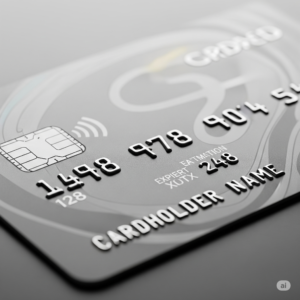
The card you use to pay for your meal is just as important as the coupon you use. If you are paying with a standard debit card, you are missing out on an automatic discount.
Top Dining Cards in 2026
Many premium credit cards offer 3x to 5x points on dining.
-
Amex Gold: Historically one of the best for “4x points on restaurants.”
-
Chase Sapphire: Offers significant points that can be redeemed for travel or cashback.
-
Merchant-Specific Offers: Check your banking app (Chase Offers, Amex Offers, or Citi Merchant Offers). You can often “activate” a 5% or 10% cashback offer for specific restaurants like Starbucks, Panera, or local diners.
The Stacking Secret: Use a dining credit card to pay for a meal you found on Groupon, while having that card linked to Dosh. You are effectively saving 50% (Groupon) + 5% (Dosh) + 4% (Credit Card Points). That is a 59% total savings on a single meal!
Using “Surplus Food” Apps to Save Big While Reducing Waste
One of the most exciting trends in 2026 is the rise of anti-waste apps like Too Good To Go and Karma.
How “Too Good To Go” Works
Restaurants often have perfectly good food left over at the end of the day. Instead of throwing it away, they sell “Magic Bags” on the app for a fraction of the retail price (usually $4 to $6 for $15 to $20 worth of food).
-
Bakeries: You can get a dozen high-end pastries for the price of two.
-
Pizza Shops: Often sell large boxes of assorted slices at closing time.
-
Fine Dining: Some high-end spots use the app to sell surplus gourmet meals.
This is a fantastic way to enjoy high-quality restaurant food on a “home-cooking” budget, all while helping the environment.
Delivery App Strategies: How to Avoid the “Fee Trap”
Delivery apps like UberEats, DoorDash, and GrubHub are notoriously expensive due to service fees, delivery fees, and menu markups. However, if you must use them, there are ways to win.
1. The “Pickup” Hack
Many delivery apps offer a “Pickup” option. Often, the app will have “app-only” coupons like “$5 off a $20 order.” By choosing pickup, you get the discount without paying the delivery fee or the courier tip.
2. Subscription Services
If you order delivery more than twice a month, DashPass or Uber One usually pays for itself. These services waive delivery fees and offer exclusive member-only discounts (sometimes up to 20% off).
3. Compare Prices
A little-known fact is that restaurants often charge different prices on different apps to cover varying commission rates. Before you order, check two different apps—you might find the same burrito is $2 cheaper on one than the other.
Social Media and Newsletter Hacks for Secret Discounts
Some of the best deals aren’t in an app—they are in your social feed.
Follow Your Favorites
Follow your favorite local restaurants on Instagram and Facebook. They often post “Flash Sales” to fill tables on slow nights (like a rainy Monday). You might see a post saying, “Show this post for 20% off your bill tonight only!”
The “SMS” Discount
Many restaurants now use text-message marketing. While getting texts can be annoying, the discounts are often much deeper than what you’ll find in an email. It’s common to see “Free Appetizer” codes sent via SMS to entice you to visit during the week.
Timing Your Meals: Happy Hours, Early Birds, and Kids Eat Free
Sometimes, saving money is simply about when you show up.
The Modern Happy Hour
In 2026, Happy Hour isn’t just for drinks. “Appetizer Happy Hours” (usually 4 PM to 6 PM) often offer half-price small plates. Two or three appetizers can easily make a full, discounted meal.
“Kids Eat Free” Nights
For families, this is the holy grail. Many casual dining chains have designated nights (usually Tuesday or Wednesday) where one child eats free for every adult entree purchased.
-
The Strategy: Use a site like “https://www.google.com/search?q=KidsEatFree.com” to map out your local options. For a family of four, this can cut your bill by 25% or more.
The Psychology of Menu Navigation: How to Save at the Table
Once you are sitting at the table, the restaurant’s goal is to increase your “check average.” Your goal is to keep it low while still enjoying yourself.
1. Skip the Soda and Alcohol
A single soda can cost $3.50, and a cocktail can be $15. If a couple drinks water instead of soda, they save $7. If they skip the cocktails, they save $30.
-
The Savings Tip: Save the drinks for when you get home. A $15 cocktail at a restaurant pays for a whole bottle of decent wine at the store.
2. Split an Entree
Portion sizes at many restaurants are large enough for two people. Many places will allow you to split a meal for a small fee (or for free). This allows you to enjoy the high-end experience at 50% of the cost.
3. The “Side Dish” Meal
Sometimes, two or three premium side dishes are more interesting and cheaper than a single large entree.
Integrating Dining Out into Your Monthly Budget
To truly master your finances, you should treat dining out as a “Variable Expense.”
The 50/30/20 Rule
According to this popular budgeting method:
-
50% of your income goes to Needs (Rent, Utilities).
-
30% goes to Wants (Dining out, Entertainment).
-
20% goes to Savings and Debt Repayment.
By using the apps and coupons mentioned in this guide, you can stay within that 30% “Wants” category while eating out twice as often as someone who pays full price.
Use Gift Card Secondary Markets
Websites like Raise or CardCash allow you to buy gift cards at a discount. You might be able to buy a $100 Outback Steakhouse gift card for $85. You’ve saved 15% before you even look at the menu.
Turning Savings into a Habit

Saving money at restaurants isn’t about being “cheap”—it’s about being efficient. In 2026, the tools to save are at our fingertips, literally. By combining loyalty apps, cashback platforms, and strategic timing, you can enjoy the social and culinary benefits of dining out without the financial hangover.
Start small: download the app for the restaurant you visit most often. Once you see that first “Free Item” notification, you’ll be hooked on the thrill of the deal. Your wallet—and your stomach—will thank you.
Summary Checklist for Savvy Diners:
-
[ ] Check for sign-up bonuses on the restaurant’s app.
-
[ ] Activate cashback on Dosh or Upside.
-
[ ] Search for promo codes on RetailMeNot.
-
[ ] Look for a Groupon for local high-end spots.
-
[ ] Time your visit for Happy Hour or Kids Eat Free nights.
-
[ ] Pay with a 4% – 5% cashback credit card.
-
[ ] Skip the beverages and drink water.