Is health insurance worth it?
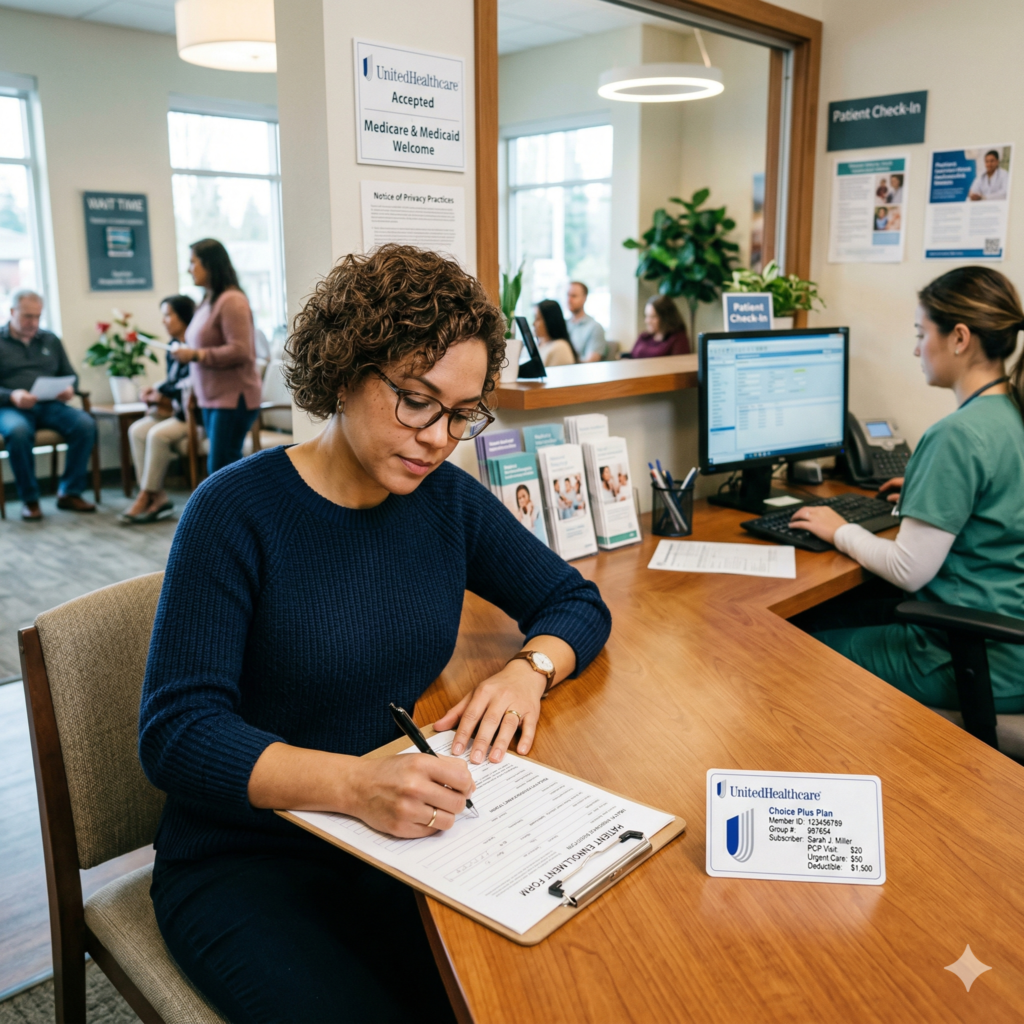
In the modern financial landscape, few expenses are as debated or as frustrating as the monthly health insurance premium. You pay hundreds, sometimes thousands of dollars a month for a service you hope you never actually have to use. It feels like a “grudge purchase”—money that could be going toward a mortgage, a retirement fund, or a well-deserved vacation.
This leads to a question millions of people ask every year: Is health insurance actually worth it? Or are you better off “self-insuring” by putting that premium money into a high-yield savings account?
To answer this, we have to look beyond the monthly bill. We need to examine the math of medical disasters, the hidden “negotiated rates” of insurers, and the long-term impact on your physical well-being. This article will break down everything you need to know to decide if coverage is a luxury or a life-saving necessity.
The Math of a Single Hospital Stay Without Coverage

The primary reason most people keep health insurance isn’t for the common cold; it’s for the “black swan” event—the unexpected accident or illness that can derail a life in 24 hours.
In the United States, the average cost of a three-day hospital stay is approximately $30,000. If you require emergency surgery, such as an appendectomy or a heart procedure, that number can easily climb to $50,000 or $100,000.
The “Sticker Price” vs. The “Negotiated Rate”
One of the biggest secrets of the healthcare industry is that there are two prices for everything.
-
The Cash Price: What the hospital bills an uninsured individual.
-
The Negotiated Rate: The discounted price the hospital accepts from an insurance company.
Insurance companies have massive leverage. Because they bring thousands of “customers” to a hospital, they negotiate deep discounts. If an uninsured person is billed $2,000 for an MRI, an insured person’s “allowable amount” for that same MRI might only be $600. Even if you have a high deductible and pay for the MRI yourself, having insurance ensures you pay the $600 rate rather than the $2,000 “sticker price.”
Understanding the Out-of-Pocket Maximum: Your Ultimate Safety Net
The most important phrase in any health insurance policy isn’t “copay” or “premium”—it’s the Out-of-Pocket Maximum.
This is the legal limit on how much you can be forced to pay for covered medical services in a single year. For 2026, the individual limit is typically capped under $10,000 for most ACA-compliant plans.
Why This Matters
Imagine you are diagnosed with a chronic condition like cancer or multiple sclerosis. The treatment costs could reach $500,000 in a single year.
-
Without Insurance: You owe $500,000. This is a life-altering, bankruptcy-inducing debt.
-
With Insurance: You pay your deductible and your coinsurance until you hit your $8,000 or $9,000 limit. After that, the insurance company pays 100% of every remaining bill for the rest of the year.
This cap is the only thing that stands between the middle class and total financial ruin in the face of a major medical crisis.
Preventative Care: The “Free” Benefit That Saves Thousands
Under the Affordable Care Act (ACA), most health plans are required to cover a suite of preventative services at $0 cost to you, even if you haven’t met your deductible yet.
What’s Included for “Free”?
-
Annual physical exams.
-
Vaccinations and flu shots.
-
Screenings for blood pressure, cholesterol, and diabetes.
-
Cancer screenings (Mammograms, Colonoscopies).
-
Prenatal care for expecting mothers.
The “value” of insurance here is proactive. By catching a condition like high blood pressure or early-stage diabetes during a “free” checkup, you avoid the $100,000 heart attack or the $50,000 kidney complication five years down the road. In this sense, health insurance is an investment in “future-proofing” your body.
The Rising Trend of High-Deductible Health Plans (HDHPs) and HSAs
Many people argue insurance isn’t worth it because they “never go to the doctor.” For this demographic, the High-Deductible Health Plan (HDHP) paired with a Health Savings Account (HSA) is a game-changer.
How it Works
You choose a plan with a lower monthly premium but a higher deductible. You then take the money you saved on premiums and put it into an HSA.
-
Tax Advantage 1: Money goes in tax-free (or is tax-deductible).
-
Tax Advantage 2: The money grows tax-free (you can even invest it in the stock market).
-
Tax Advantage 3: You can withdraw it tax-free to pay for any medical expense.
If you are young and healthy, an HDHP allows you to maintain that “catastrophic safety net” while essentially building a tax-free medical “401(k).” If you don’t use the money this year, it rolls over forever. This turns health insurance from a “lost expense” into a strategic financial tool.
The Impact on Mental Health and Specialized Wellness
In recent years, the definition of “health” has expanded significantly. Modern insurance plans are now mandated to provide “Mental Health Parity,” meaning they must cover mental health services at the same level as physical health services.
Without insurance, a single session with a licensed therapist can cost between $150 and $250. For someone dealing with anxiety, depression, or burnout, weekly sessions are financially impossible without coverage. With a typical insurance plan, that cost might drop to a $20 or $30 copay.
When you factor in the cost of specialized care—physical therapy for a back injury, speech therapy for a child, or nutritional counseling for an autoimmune disorder—the “worth” of a plan becomes clear very quickly.
Employer-Sponsored vs. Private Marketplace: Which is Better?
Most Americans get their insurance through work, where the employer pays a large portion of the premium. If your employer offers a plan, it is almost always worth it.
The “Hidden Raise”
If your employer pays $500 a month toward your insurance and you pay $100, they are essentially giving you a $6,000 annual bonus that is completely tax-free. If you decline that coverage, you don’t get that $6,000 in cash—it simply disappears. Turning down employer-sponsored insurance is essentially leaving a significant portion of your compensation package on the table.
The Risks of “Going Bare”: Can You Actually Save Money?
“Going bare” is the industry term for being uninsured. While it might save you $400 a month in the short term, the long-term risks are mathematically stacked against you.
-
Late Enrollment Penalties: If you wait until you are sick to buy insurance, you may have to wait for an “Open Enrollment” period, leaving you uncovered for months.
-
No Prescription Discounts: Without an insurance card, you pay full retail price for medications. A common brand-name inhaler or insulin can cost hundreds of dollars per month without the “negotiated” insurance price.
-
The Stress Factor: There is a psychological “tax” to being uninsured. The constant fear that a single trip on the sidewalk or a sudden chest pain could end your financial life creates a level of chronic stress that is, ironically, bad for your health.
Strategic Tips for Choosing a Plan That Is “Worth It” For You

To ensure you aren’t overpaying, you must match the plan to your lifestyle:
-
The “Frequent Flyer”: If you have a chronic condition or see a specialist monthly, pay the higher premium for a PPO or Gold/Platinum plan with a low deductible. You will save money overall.
-
The “Gym Rat”: If you only go to the doctor once a year, stick to a Bronze plan or an HDHP. You get the “catastrophic” protection for a fraction of the cost.
-
The “Prescription User”: Always check the plan’s Formulary (the list of covered drugs). A plan is only “worth it” if it covers the specific medications you need.
The Final Verdict
Is health insurance worth it?
If you look at it as a “pre-payment for medical bills,” it can feel like a bad deal during the years you are healthy. But insurance isn’t a pre-payment; it’s financial armor. It protects your savings, your home, and your future earnings from the volatility of biology.
In a world where medical costs are the leading cause of financial ruin, a health insurance policy is perhaps the most important “investment” you can make. It buys you something far more valuable than a doctor’s visit: it buys you the freedom to live your life without the constant threat of a medical bankruptcy hanging over your head.