Vanguard Review: Is It Worth Investing With Vanguard?
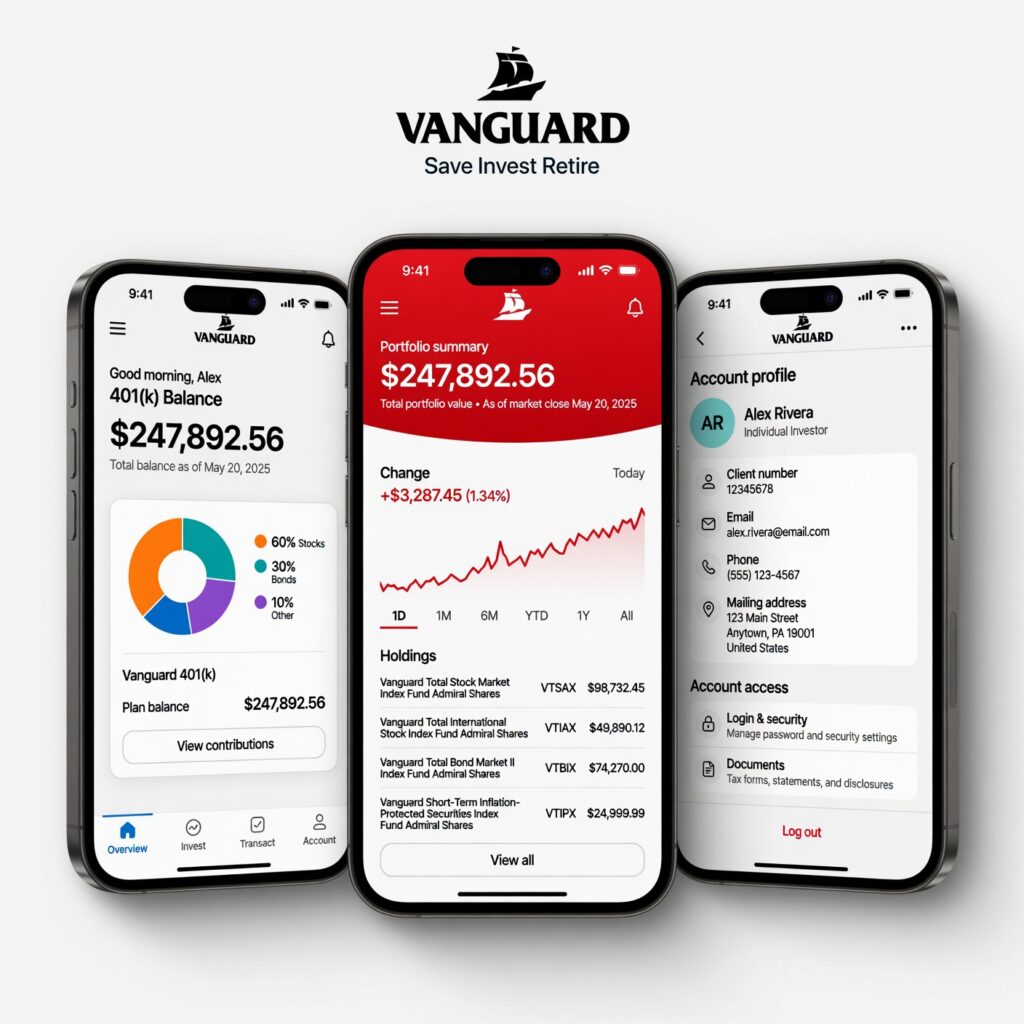
image for illustrative purposes only.
In the vast landscape of personal finance, few names carry as much weight as Vanguard. Founded by John Bogle—the visionary who pioneered the index fund—Vanguard has become synonymous with low-cost, long-term investing. Whether you are a fresh graduate starting your first retirement account or a seasoned investor looking to consolidate your portfolio, you have likely encountered Vanguard as a primary consideration.
But does the reputation hold up in today’s competitive brokerage environment? In this review, we break down everything you need to know about Vanguard’s offerings, their fee structure, and whether this platform is the right choice for your financial journey.
The Vanguard Philosophy: Passive Investing at Its Core
At the heart of Vanguard’s success is a unique corporate structure. Unlike most publicly traded financial institutions, Vanguard is client-owned. This means that the funds themselves own the company. Consequently, the firm is not driven by the need to maximize profits for external shareholders, but rather to minimize costs for its investors.
This “investor-first” mindset has resulted in a massive push for low-expense ratios across the industry. For the average investor, this translates to keeping more of your hard-earned money. By focusing on passive index tracking rather than high-cost active management, Vanguard has helped millions build wealth through the simple power of market exposure.
Understanding the Fee Structure: Where Do You Save?
For many, the primary draw to Vanguard is the cost. When you invest in a mutual fund or an ETF, you are charged an “expense ratio”—a percentage of your assets that goes toward management fees. Vanguard is consistently among the lowest in the business.
Commission-Free Trading
Vanguard offers commission-free online trading for stocks and ETFs. For frequent traders, this is a significant advantage, as it removes the friction of per-trade costs that used to dominate the brokerage landscape. However, it is important to note that Vanguard’s primary focus is on buy-and-hold investors. While the commission-free structure is there, the platform is not designed for day trading or high-frequency speculation.
Expense Ratios and Peer Comparison
The firm’s index funds frequently charge expense ratios well below the industry average. While competitors have certainly stepped up their game—with many firms now matching Vanguard’s low costs on popular index funds—Vanguard maintains a competitive edge through its sheer scale and long-standing commitment to fee compression.
Investment Options: Beyond the Basics
While Vanguard is famous for its index funds, the modern brokerage platform offers a wide array of tools for different types of investors.
-
ETFs and Mutual Funds: The bread and butter of the Vanguard platform. You have access to a massive library of in-house funds that cover every asset class imaginable, from total stock market indexes to international bond funds and sector-specific ETFs.
-
Stocks and Bonds: Beyond their proprietary funds, you can purchase individual stocks and bonds, allowing you to build a custom portfolio that fits your specific risk appetite.
-
Target-Date Funds: For those who prefer a “set-it-and-forget-it” approach, Vanguard’s Target Retirement Funds are industry-leading. These funds automatically adjust your asset allocation as you approach your retirement year, moving from more aggressive growth stocks to stable bonds as you age.
The User Experience: Is the Interface Intuitive?
If there is one area where Vanguard often faces criticism, it is the user interface. Compared to some of the sleek, mobile-first fintech apps that dominate the market today, Vanguard’s website and mobile application can feel somewhat utilitarian or “old school.”
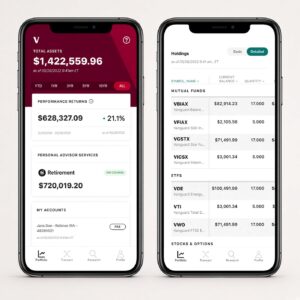
However, for a long-term investor, this might actually be a feature rather than a bug. A flashy interface that provides real-time alerts and gamified trading can sometimes encourage poor habits, such as panic-selling during a market dip or over-trading. Vanguard’s platform keeps things clean, functional, and focused on the long term. You can easily view your balances, manage your asset allocation, and set up automated recurring investments without the distraction of unnecessary bells and whistles.
Advanced Features: Robo-Advising and Personalized Guidance

For investors who want professional help without the high price tag of a traditional financial advisor, Vanguard offers several layers of support.
Digital Advisor
Vanguard’s “Digital Advisor” is their take on the robo-advisor trend. It uses an automated system to build and manage a diversified portfolio based on your goals, time horizon, and risk tolerance. It is a highly cost-effective way to get institutional-grade portfolio management.
Personal Advisor Services
For those with higher account balances, Vanguard provides access to human financial advisors. These professionals can provide holistic financial planning, covering everything from tax-loss harvesting and retirement planning to estate questions. This service provides a hybrid model that blends the benefits of low-cost passive investing with the expertise of a human professional.
Security and Trust: Protecting Your Assets
When choosing an investment platform, security is non-negotiable. Vanguard employs multiple layers of protection to ensure your data and assets are safe. This includes bank-level encryption, multi-factor authentication, and sophisticated monitoring to prevent unauthorized access. As one of the largest asset managers in the world, managing trillions of dollars, their security infrastructure is among the most robust in the financial services sector.
Potential Drawbacks: Who Might Not Like Vanguard?
No platform is perfect for every investor. While Vanguard is a powerhouse, it may not be the ideal choice for everyone.
-
Active Traders: If your strategy involves day trading, rapid scalping, or heavy technical analysis, other brokers offer more sophisticated charting tools and research platforms designed for active execution.
-
Desire for Boutique Experiences: If you prefer high-touch, concierge-style service for a smaller portfolio, or if you are looking for non-traditional assets like cryptocurrency or highly speculative penny stocks, you might find Vanguard’s curated, conservative approach limiting.
-
Limited Banking Features: While some modern brokerages have integrated high-yield checking and debit card features, Vanguard’s cash management features are more limited. It is primarily a place to park long-term investments rather than a substitute for a full-service checking account.
Setting Up Your Financial Future
Starting your journey with Vanguard is a streamlined process. Once you have determined your financial goals—whether that is saving for a home, building a retirement nest egg, or simply growing your wealth—the platform makes it easy to open an account. You will need your personal identification, your Social Security number, and your bank details to link your funding source.
Once the account is funded, the platform encourages a systematic approach. You can schedule automatic deposits, which is arguably the most effective way to build wealth over time. By dollar-cost averaging into a broad index fund, you remove the stress of trying to “time the market” and instead focus on participating in the long-term growth of the global economy.
Achieving Your Goals Through Discipline
Investing is not about finding the “perfect” platform that will make you rich overnight; it is about finding a reliable partner that allows you to execute a disciplined, long-term strategy. Vanguard has spent decades refining a system that removes the noise and keeps the focus on what truly matters: low costs, broad diversification, and time in the market.
As you evaluate your own financial objectives, consider the trade-offs. Are you looking for a gamified trading experience, or are you looking for a steady, reliable, and cost-efficient vehicle to reach your financial milestones? For the vast majority of investors who prioritize steady growth and wealth preservation, the structural advantages and historical performance of Vanguard make it a platform that is difficult to ignore. Choosing a path that minimizes fees and encourages consistent, rational behavior is the ultimate secret to long-term success.