Top cashback cards in 2026

In an era of digital-first banking and AI-driven financial planning, cashback credit cards remain the most transparent and effective way to lower your monthly expenses. Unlike travel points, which can be subject to “devaluation” or complex blackout dates, cash is king. It is a one-to-one value that you can use to pay off your balance, invest, or treat yourself to a night out.
As we move through the second quarter of 2026, banks have become increasingly competitive, offering higher base rates and more niche bonus categories. This article will help you navigate these options to find the perfect fit for your wallet.
Why Cashback is the Smartest Financial Choice in 2026
The primary advantage of cashback is its simplicity. In 2026, consumers are looking for “set it and forget it” financial tools. While travel “hacking” with points can be lucrative, it requires hours of research to find the best redemption value. Cashback cards, however, offer a guaranteed return on investment (ROI).
Furthermore, with inflation still a topic of concern in many household budgets, getting 2% to 6% back on groceries and gas acts as a built-in discount. When used responsibly—meaning you pay your balance in full every month—these cards are effectively a way to make the bank pay you for using their service.
Top Flat-Rate Cashback Cards: The “Gold Standard” for Simplicity
If you don’t want to track categories or “activate” rewards every three months, a flat-rate card is your best friend. These cards offer a consistent percentage back on every single purchase.
1. Wells Fargo Active Cash® Card: The 2% Powerhouse
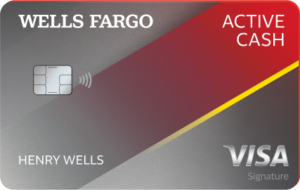
The Wells Fargo Active Cash card continues to dominate the market in 2026 as the best all-around card for most consumers.
-
Rewards: Unlimited 2% cash rewards on all purchases.
-
Annual Fee: $0.
-
The 2026 Edge: It currently offers one of the most accessible welcome bonuses—typically $200 in cash rewards after spending $500 in the first 3 months.
-
Pro Tip: This card also includes up to $600 in cellphone protection (subject to a small deductible) when you pay your monthly bill with the card.
2. Citi Double Cash® Card: The Disciplined Spender’s Choice
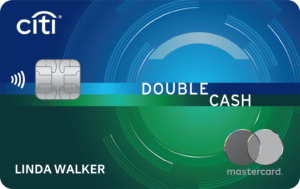
This card has a unique “1% + 1%” structure that encourages healthy financial habits.
-
Rewards: 1% cash back when you buy, and another 1% as you pay for those purchases.
-
The 2026 Update: In early 2026, Citi expanded the rewards to include 5% total cash back on hotels and car rentals booked through the Citi Travel℠ portal.
-
Why it works: It effectively gives you a 2% discount on everything, provided you don’t carry a balance.
Best Rotating Category Cards for Strategic Maximizers
For those who enjoy a bit of “gamification” in their finances, rotating category cards offer the highest potential returns—often reaching 5% or even 9% in specific areas.
3. Chase Freedom Flex®: The Q2 2026 Champion
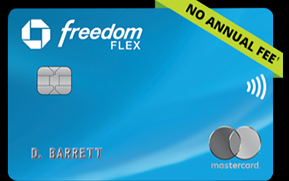
The Chase Freedom Flex is currently the talk of the financial world due to its high-value 2026 Q2 categories.
-
Current 5% Categories (April – June 2026): Amazon.com, Whole Foods Market, Chase Travel, and donations to Feeding America.
-
Base Rewards: 3% on dining and drugstores; 1% on everything else.
-
Advanced Strategy: If you book travel through the Chase portal during Q2, you can actually stack rewards to earn up to 9% total cash back (the standard 5% travel rate + the 4% bonus category).
4. Discover it® Cash Back: The First-Year Match
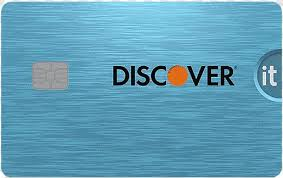
Discover remains the most beginner-friendly card for 2026.
-
The “Cashback Match”: At the end of your first year, Discover automatically matches all the cash back you’ve earned. If you earned $300, they give you another $300.
-
2026 Rotating Categories: Discover often mirrors popular spending habits like gas stations, grocery stores, and digital wallets (Apple Pay/Google Pay).
The Best Bonus Category Cards for Families and Commuters
If your biggest expenses are food and fuel, you should look for cards that offer “static” bonus categories rather than rotating ones.
5. Blue Cash Preferred® Card from American Express
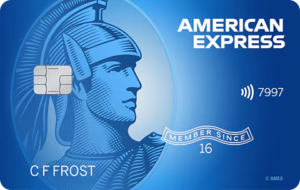
Commonly cited as the “ultimate family card,” this card offers unmatched rates at the supermarket.
-
6% Cash Back: On U.S. supermarkets (on up to $6,000 per year, then 1%).
-
6% Cash Back: On select U.S. streaming subscriptions (Netflix, Disney+, etc.).
-
3% Cash Back: On U.S. gas stations and transit (trains, rideshare, tolls).
-
Annual Fee: There is typically a $95 annual fee (often waived for the first year), but for a family spending $100 a week on groceries, the 6% return pays for the fee in less than four months.
How to “Stack” Your Cashback in 2026
To truly master your finances, you shouldn’t rely on just one card. The “Trifecta” strategy involves using three different cards to ensure you never earn just 1% on a purchase.
-
The Base: Use a 2% flat-rate card (like Wells Fargo Active Cash) for miscellaneous bills, insurance, and medical expenses.
-
The Specialist: Use the Amex Blue Cash Preferred specifically for groceries and gas.
-
The Opportunist: Use the Chase Freedom Flex only for its 5% rotating categories (like Amazon in Q2).
By switching cards based on the merchant, the average consumer can increase their effective cashback rate from 1.5% to nearly 3.8% across all spending.
Red Flags: Why the “High APR” Trap Can Negate Your Rewards
It is vital to understand that cashback is only a “win” if you pay your bill in full every month. In 2026, the average credit card APR (interest rate) ranges from 21% to 29%.
If you carry a balance of $1,000, you might be paying $25 a month in interest. If that same $1,000 only earned you $20 in cashback, you are actually losing money. Always treat your credit card like a debit card: if the money isn’t in your bank account, don’t spend it on the card.
Comparing Cash Back vs. Travel Points: Which is Better in 2026?
As we move deeper into 2026, the debate between “Cash” and “Points” has a clear winner for the average person: Cash.
| Feature | Cashback Cards | Travel Point Cards |
| Ease of Use | Very High (Automated) | Low (Requires Research) |
| Value Stability | Fixed (1 cent = 1 cent) | Volatile (Devaluations occur) |
| Annual Fees | Usually $0 – $95 | Often $95 – $695 |
| Best For | Everyday expenses | International / Luxury travel |
While points can offer “outsized value” for first-class flights, the average person benefits more from the immediate liquidity of cash rewards to pay for groceries or utilities.
Expert Tips for Choosing Your First (or Next) Card in 2026
Before you apply, keep these three criteria in mind to protect your credit score and maximize your earnings:
-
Check for Pre-Approval: Use “soft pull” tools provided by banks like Capital One, Chase, or American Express. This allows you to see your odds of approval without hurting your credit score.
-
Look for “Low-Maintenance” Redemption: Some cards require you to wait until you have $25 to redeem. In 2026, look for cards like the Wells Fargo Active Cash or Apple Card, which allow you to redeem any amount, at any time.
-
Consider the “Sign-Up Bonus” (SUB): If you have a large purchase coming up (like a new laptop or car repair), time your application so that the spending helps you hit the “Spend $X in 3 months” requirement for the bonus.
Building a Wealth-Generating Wallet
The best cashback card of 2026 isn’t a single card—it’s the one that aligns with your lifestyle. If you value simplicity, go with a 2% flat-rate card. If you are a power shopper, lean into the rotating 5% categories.
By managing your credit responsibly and staying informed about quarterly category shifts, you can turn your everyday spending into a significant secondary income stream.