Learn how to earn more cashback on every purchase
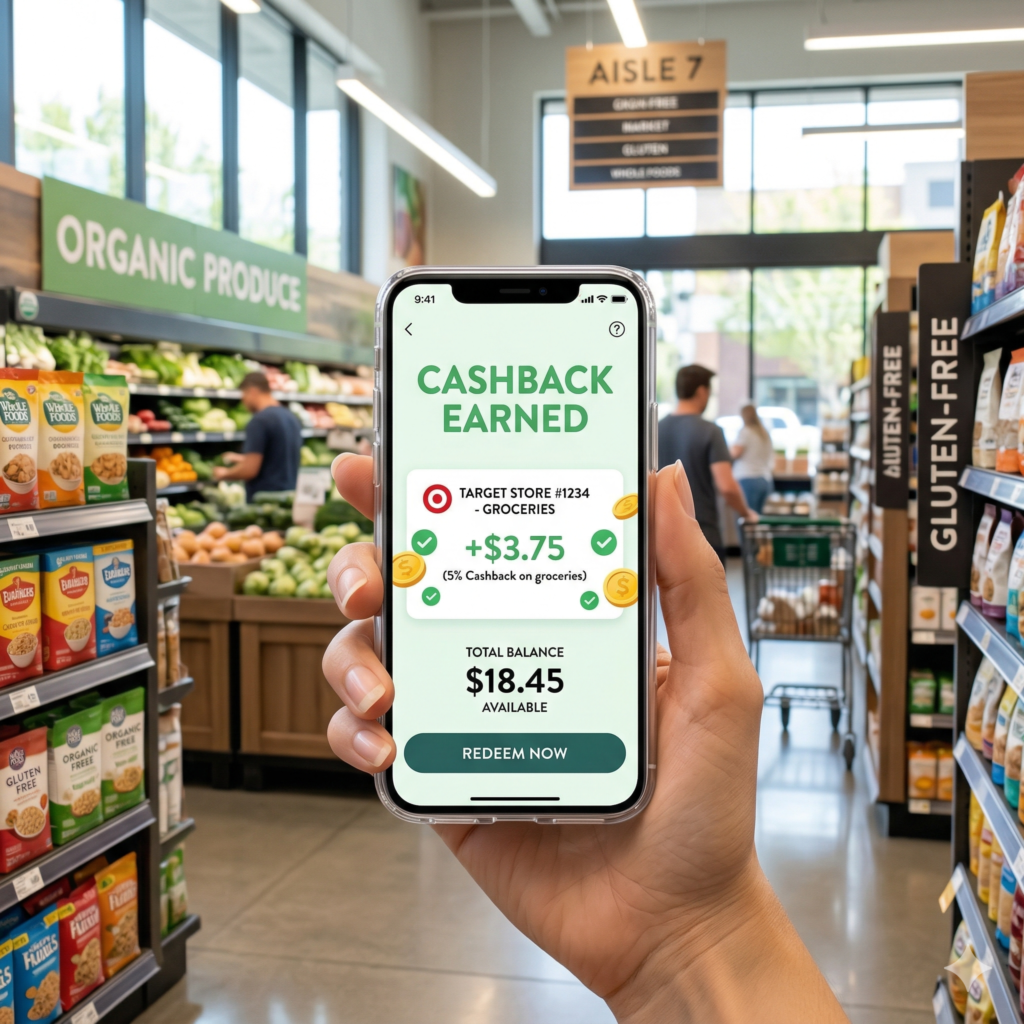
In 2026, the concept of “paying full price” has become almost obsolete for the financially savvy. With the explosion of digital banking, integrated shopping apps, and highly competitive credit card rewards, every dollar you spend is an opportunity to claw back a percentage of your hard-earned money.
If you are only using one credit card for everything, you are likely leaving hundreds—if not thousands—of dollars on the table every year. This comprehensive guide will teach you the advanced “stacking” strategies used by professionals to maximize cashback on every single purchase.
The Ultimate Guide to Maximizing Cashback: How to Earn More on Every Dollar in 2026

Cashback is more than just a perk; in today’s economy, it is a critical tool for offsetting inflation and reducing the “real cost” of living. While a 2% or 5% return might seem small on a single transaction, the cumulative effect over a year can fund a vacation, pay off a debt, or bolster your emergency fund.
To truly master the art of cashback, you need to move beyond simply “having a card.” You need a system.
Understanding the Fundamentals: Flat-Rate vs. Tiered Rewards
Before you can maximize your earnings, you must understand the two primary types of cashback structures offered by banks in 2026.
The Flat-Rate Card
These cards offer a consistent percentage back on every purchase, regardless of where you shop. The industry standard has moved from 1.5% to 2% for premium flat-rate cards. These are the “workhorses” of your wallet—the cards you use when a purchase doesn’t fit into a specific high-reward category.
The Tiered or Bonus Category Card
These cards offer higher percentages (usually 3% to 6%) on specific categories like groceries, gas, dining, or streaming services, while offering a measly 1% on everything else. The key to maximizing rewards is ensuring that you never use a tiered card for its 1% “everything else” category if you have a 2% flat-rate card available.
The “Double and Triple Stacking” Method
The secret to earning 10% or even 15% back on a single purchase isn’t found in a single card—it’s found in stacking. Stacking is the process of layering multiple reward programs on top of each other for the same transaction.
How a Triple Stack Works:
-
The Credit Card: Use a card that offers a high bonus for that category (e.g., 5% back on Amazon).
-
The Shopping Portal: Instead of going directly to the store’s website, click through a portal like Rakuten or TopCashback. These portals often offer an additional 2% to 10% back.
-
The Store Loyalty Program: Ensure you are signed up for the retailer’s free loyalty program to earn “points” or “rewards” that can be used for future discounts.
By combining these three, a $100 purchase that would normally earn you $1 could easily net you $10 or $12 in total value.
Choosing the Best Credit Cards for Your Spending DNA
Maximizing cashback requires a personalized approach. You shouldn’t get a card just because it has a high rating; you should get it because it rewards your specific habits.
For the Home Cook and Grocery Shopper
If your biggest monthly expense is the supermarket, the American Express Blue Cash Preferred® remains a top contender in 2026, offering 6% back on U.S. supermarkets (up to $6,000 per year). For many households, this card alone generates hundreds of dollars in annual profit.
For the Commuter and Traveler
Gas prices fluctuate, but your rewards shouldn’t. Look for cards that offer at least 3% to 4% back on gas and electric vehicle (EV) charging. Cards like the Costco Anywhere Visa® or the Wells Fargo Autograph℠ provide excellent returns for those constantly on the move.
For the Online Power User
If you do the bulk of your shopping on Amazon or at Target/Walmart, the co-branded store cards often offer a permanent 5% back. In 2026, these cards have become even more integrated with mobile wallets, making it easier to track your savings in real-time.
The Power of Rotating 5% Categories: Quarterly Strategy

Cards like the Chase Freedom Flex® and Discover it® Cash Back offer 5% back on different categories that change every three months (quarters).
The 2026 Calendar Strategy:
-
Q1 (Jan-Mar): Usually focuses on Grocery Stores or Wholesale Clubs (like Sam’s Club).
-
Q2 (Apr-Jun): Often covers Amazon and Home Improvement stores as people prepare for summer.
-
Q3 (Jul-Sep): Focuses on Gas Stations, EV Charging, and Summer Travel.
-
Q4 (Oct-Dec): Almost always targets Digital Wallets (Apple Pay/Google Pay) and Department Stores for holiday shopping.
Expert Tip: Always set a calendar reminder on the 1st of each quarter to “Activate” these rewards. If you forget to click activate, you stay at the 1% rate, which is a major missed opportunity.
Utilizing Card-Linked Apps: The Passive Income of 2026
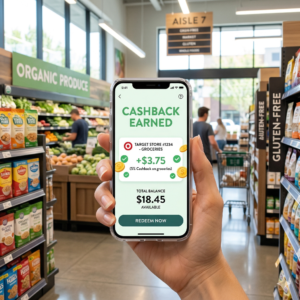
In recent years, “Card-Linked” technology has revolutionized cashback. Apps like Dosh, Drop, and Upside allow you to link your existing credit cards to their platform.
Once linked, these apps monitor your transactions. When you shop at a participating merchant (like a local restaurant or a gas station), the app automatically deposits extra cashback into your account. This happens on top of whatever your credit card is already paying you. It is truly “set it and forget it” money.
Browser Extensions: The Automated Discount Finder
If you shop primarily on a laptop or desktop, browser extensions are mandatory for maximization. Extensions like Honey, Capital One Shopping, and Rakuten do two things:
-
Test Coupon Codes: They automatically try dozens of promo codes at checkout to see if any work.
-
Activate Cashback: They pop up a notification saying “Click here for 5% back.”
By clicking that button, you ensure that the affiliate commission the store would have paid to an advertiser goes directly back into your pocket instead.
Maximizing Cashback on Large “Non-Category” Purchases
What do you do when you have a massive, one-time expense like a $2,000 car repair or a $3,000 medical bill? These rarely fit into 5% categories.
This is the perfect time to open a new credit card. Most premium cards offer a “Sign-Up Bonus” (SUB). For example, a card might offer $200 back if you spend $1,000 in the first three months.
If you put your $2,000 car repair on that new card, you earn:
-
Standard 2% cashback ($40).
-
The Sign-Up Bonus ($200).
-
Total Return: $240 on a $2,000 spend, effectively giving you 12% cashback on a purchase that usually earns nothing.
The Digital Wallet Shortcut: Why Apple Pay and Google Pay Matter
In 2026, more merchants than ever accept contactless payments. Many credit cards now treat “Mobile Wallet” as a specific bonus category. For instance, the Apple Card gives 2% back on everything purchased via Apple Pay.
Using your digital wallet isn’t just about convenience; it’s about security and speed. By consolidating your spending through a phone-based wallet, you can quickly see which card is giving you the best rate at that specific terminal, often via smart notifications that pop up as you enter a store.
Avoiding the “Redemption Trap”: Getting the Most Value for Your Cash
Not all cashback redemption methods are equal. In 2026, some banks try to “nudge” you into redeeming your cash for gift cards or merchandise. Don’t do it.
-
Statement Credits: The most common and effective method. It simply reduces your balance.
-
Direct Deposit: The best method. Moving the cash to a High-Yield Savings Account allows that “saved” money to start earning interest for you.
-
Merchandise/Gift Cards: Usually a bad deal. Banks often value your points at less than 1 cent per point when you buy “stuff.” Always take the cash and buy what you want on your own terms (and earn more cashback on that purchase!).
Common Pitfalls: When “Chasing Rewards” Becomes a Loss

To be successful, you must remain disciplined. The most common mistakes that erase cashback gains are:
-
Overspending: Buying things you don’t need just because there is a “deal” or high cashback rate. A 5% discount doesn’t help if you spent 100% more than you intended.
-
Interest Charges: As discussed in our other guides, carrying a balance at 25% APR to earn 5% cashback is a losing game. Always pay in full.
-
Forgetting to Activate: Rotating categories and app offers often require a manual “opt-in.” Check your apps weekly.
Your Weekly Cashback Routine
To maximize your earnings, follow this simple routine:
-
Monday: Check your credit card apps for “Merchant Offers” (limited-time deals like “10% back at Starbucks”). Add them to your card.
-
Before Shopping Online: Always open your preferred cashback portal or ensure your browser extension is active.
-
At the Pump: Use an app like Upside to find the gas station with the highest combined “Per-Gallon” discount and card reward.
-
End of Month: Move your earned cashback into a dedicated savings account to watch your “free money” grow.