Kraken: How Does the Cryptocurrency Exchange Work?
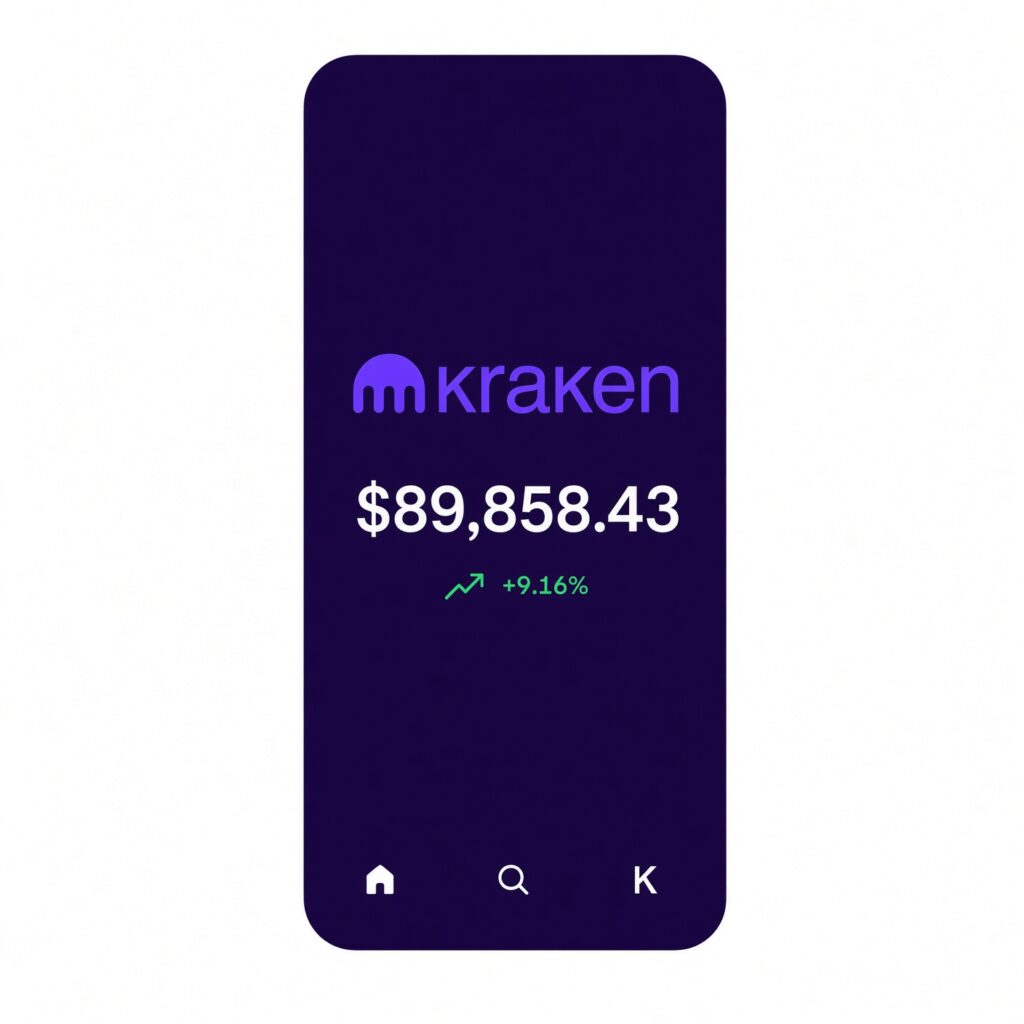
image for illustrative purposes only.
Navigating the vast ecosystem of digital assets requires a reliable, secure, and feature-rich trading platform. Among the pioneers of the digital asset industry, Kraken stands out as one of the oldest and most trusted platforms globally. Founded in 2011 and launched in 2013 by Jesse Powell, this San Francisco-based exchange has evolved from a simple Bitcoin marketplace into a powerhouse supporting hundreds of cryptocurrencies, advanced trading features, and robust security protocols.
Understanding how Kraken operates is essential for anyone looking to enter the world of digital finance, whether you are a complete beginner buying your first fraction of a token or an experienced institutional trader executing complex strategies. This comprehensive review explores every facet of the platform, detailing its core mechanics, account tiers, fee structures, security measures, and advanced trading tools to help you determine if it aligns with your financial strategy.
The Core Mechanics: What is Kraken and How Does It Function?
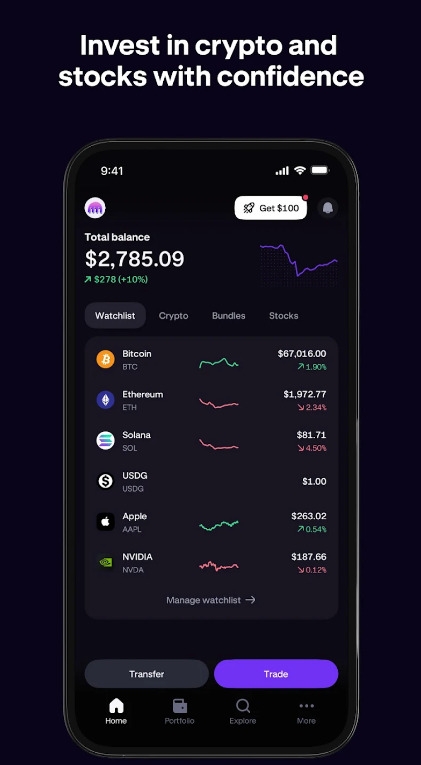
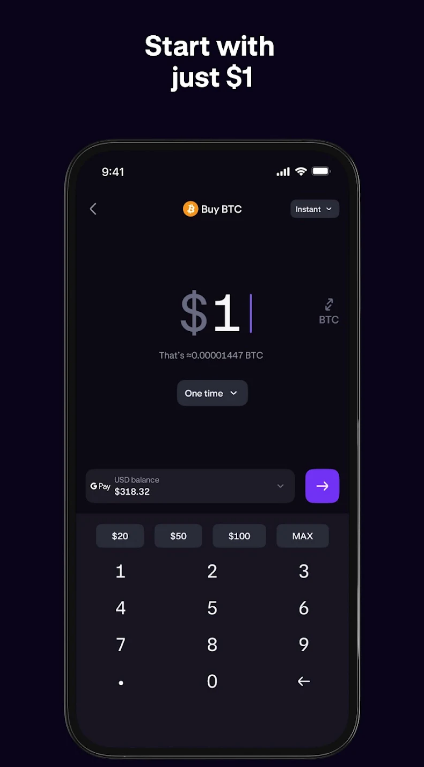
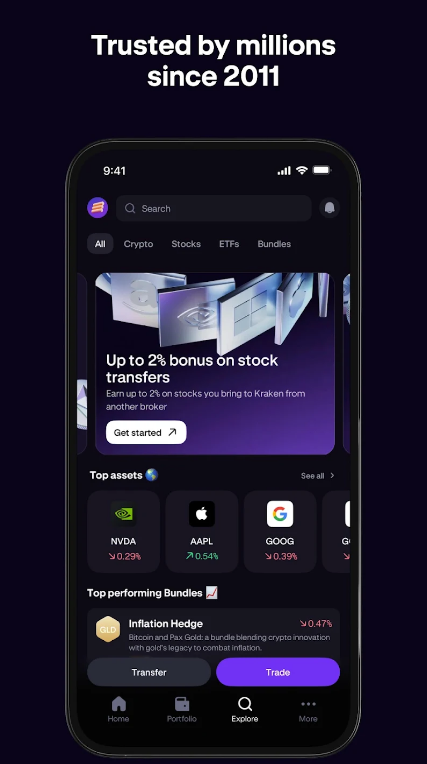
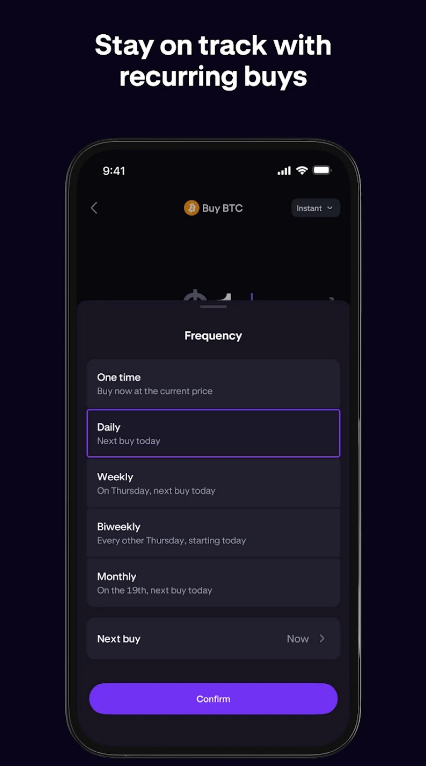
At its fundamental level, Kraken functions as an intermediary marketplace—or a digital asset exchange—that connects buyers and sellers from around the world. When you want to trade traditional fiat currency (such as USD, EUR, GBP, CAD, or AUD) for digital assets like Bitcoin (BTC) or Ethereum (ETH), or vice versa, the platform matches your orders with another user looking to take the opposite side of the transaction.
Unlike decentralized exchanges (DEXs) that rely on automated smart contracts and liquidity pools, Kraken operates as a centralized exchange (CEX). This means it maintains an internal order book and a matching engine that pairs bids and asks efficiently in real time. The platform acts as a custodian for user funds, holding your assets securely in cold storage until you decide to execute a trade, withdraw to a private wallet, or engage in staking.
The ecosystem is built to accommodate various levels of financial participation. Users can deposit fiat via multiple payment rails, use the instant buy widget for immediate transactions, or access the professional trading interface to place limit orders, stop-loss orders, and margin trades. The seamless integration of robust liquidity, transparent order books, and diverse trading pairs makes it a cornerstone of the global digital economy.
Account Creation, Verification Tiers, and Onboarding
Accessing the platform requires a structured onboarding process designed to comply with global regulatory standards, including Know Your Customer (KYC) and Anti-Money Laundering (AML) laws. Setting up an account is straightforward, but understanding the verification tiers ensures you choose the level that matches your trading volume and funding methods.
Step-by-Step Account Setup
-
Registration: Navigate to the official website, click the sign-up button, and provide a valid email address, a secure password, and your country of residence.
-
Activation: Confirm your email address using the activation code sent to your inbox to unlock basic account access.
-
Verification: To deposit fiat currency and begin trading, you must verify your identity. Kraken categorizes verification into distinct levels: Starter, Intermediate, and Pro.
Understanding Verification Levels
-
Starter: Requires basic personal information such as your name, date of birth, address, and phone number. This tier allows you to deposit and trade cryptocurrencies, but fiat deposits are typically disabled.
-
Intermediate: Requires a government-issued photo ID, proof of residence, and a facial verification photo. This level unlocks most fiat funding methods (such as bank transfers) and significantly increases your deposit and withdrawal limits.
-
Pro: Designed for high-net-worth individuals and corporate entities. It requires additional documentation, such as financial statements, proof of wealth, and corporate registry documents, offering customized limits and dedicated account management.
Completing verification thoroughly ensures uninterrupted access to financial services and protects your portfolio from compliance freezes.
Funding Your Account: Fiat Currencies and Digital Assets
Before executing trades, you must fund your account balance. The platform supports a wide variety of funding options, accommodating both traditional financial systems and native blockchain transfers.
Depositing Fiat Currency
Funding your account with government-issued money depends on your geographical location and the chosen verification tier. Common methods include:
-
SEPA Transfers: Popular and cost-effective for users in the European Union.
-
SWIFT Transfers: Ideal for international wire transfers across multiple global currencies.
-
ACH and Wire Transfers: Frequently utilized by participants in the United States.
-
Credit and Debit Cards / Digital Wallets: Available for instant purchases, though these methods usually carry higher convenience fees compared to traditional bank transfers.
Depositing Cryptocurrencies
If you already own digital assets in a private wallet or another exchange, transferring them to your account is simple. You generate a unique deposit address for the specific asset and network, initiate the transfer from your external wallet, and wait for the requisite blockchain confirmations. Always double-check network compatibility (such as ERC-20, TRC-20, or native chains) to prevent permanent loss of funds during transfers.
Navigating the Trading Interfaces: From Instant Buy to Pro Tools

One of the platform’s greatest strengths is its ability to cater to different user profiles through distinct trading interfaces. Whether you prefer a streamlined, click-and-buy experience or a data-dense terminal with live charting, the ecosystem provides the necessary tools.
Instant Buy
Designed for absolute beginners, the instant purchase feature allows users to buy digital assets directly using a linked bank account, credit card, or cash balance. While this method is exceptionally convenient, it often incurs higher transaction fees compared to spot market trading.
Kraken Pro
For intermediate and advanced traders, the Pro interface provides a comprehensive trading terminal equipped with:
-
Real-Time Order Books: Live displays of bids and asks showing market depth and liquidity distribution.
-
Advanced Charting Tools: Powered by TradingView, these charts offer technical indicators, trend lines, timeframes, and volume profiles for deep market analysis.
-
Order Types: Support for market orders, limit orders, stop-loss orders, take-profit orders, and conditional triggers to execute precise trading strategies.
Margin Trading and Leverage
Experienced participants seeking amplified exposure can utilize margin trading. This feature allows you to borrow funds to open larger positions than your initial capital would normally permit. While margin trading can magnify profits during favorable market movements, it equally amplifies potential losses, making risk management strategies essential.
Exploring Passive Income: Staking and Earning Rewards
Beyond active trading, the platform offers lucrative opportunities for long-term holders to generate passive income through staking. Staking is the process of participating in proof-of-stake (PoS) consensus mechanisms, helping secure a blockchain network while earning regular rewards in return.
How Staking Works on the Platform
Instead of letting digital assets sit idle in a wallet, users can delegate eligible proof-of-stake tokens (such as Ethereum, Cardano, Solana, and Polkadot) directly through their account dashboard. The exchange handles the technical complexities of node operation and network validation, distributing regular reward payouts directly to the user’s balance.
Benefits and Considerations
-
Compound Growth: Regular payouts can be left to accumulate, increasing the total staked principal over time.
-
Flexibility: Depending on the asset and local regulations, users can choose between flexible staking (allowing quick unbonding) and locked staking (often offering higher annual percentage yields for longer commitment periods).
-
Slashing Risks and Fees: The platform takes a percentage fee from the generated staking rewards as a service charge. Furthermore, users should understand network-level risks, such as slashing penalties, though professional validators mitigate these risks effectively.
Fee Structure: Understanding Costs and Trading Margins
Managing your financial returns requires a clear understanding of the platform’s fee schedule. Costs vary based on your 30-day trading volume, the specific asset pair, and whether you act as a maker or a taker.
Maker vs. Taker Fees
-
Makers: Traders who add liquidity to the order book by placing limit orders that are not matched immediately. Makers are typically rewarded with lower fee rates.
-
Takers: Traders who remove liquidity from the order book by executing market orders that match existing orders instantly. Takers generally pay slightly higher fees.
Volume-Based Tiering
The exchange utilizes a tiered fee structure where high-volume traders enjoy progressively lower percentage fees as their 30-day cumulative trading volume increases. Additionally, funding fees vary depending on the chosen payment processor, currency, and withdrawal network. Reviewing the fee schedule prior to executing large transactions ensures that unexpected costs do not erode your investment returns.
Security Architecture: Protecting Your Capital
In the digital asset sector, security is paramount. The history of online exchanges is filled with cautionary tales of platform vulnerabilities, making security practices a primary differentiator for reputable institutions.
Cold Storage and Asset Reserves
The vast majority of digital assets under management are stored offline in air-gapped, geographically distributed cold storage facilities. This isolation from the internet protects user funds from remote cyberattacks and unauthorized access. Furthermore, the platform maintains comprehensive operational reserves to ensure liquidity and solvency under various market conditions.
Account-Level Security Features
Users are strongly encouraged to implement rigorous personal security hygiene through features provided by the platform:
-
Two-Factor Authentication (2FA): Mandatory or optional 2FA using Google Authenticator or hardware security keys (such as YubiKey) for logins, withdrawals, and critical settings changes.
-
Global Settings Lock (GSL): A powerful security feature that locks your account settings, preventing unauthorized modifications even if an attacker manages to compromise your password and 2FA credentials.
-
Master Key: An advanced security backup that restricts unauthorized password resets and withdrawal approvals.
-
Withdrawal Whitelisting: Restricting withdrawals exclusively to pre-approved destination addresses, ensuring that even if an account is accessed illicitly, funds cannot be redirected to unknown wallets.
Customer Support and Educational Resources
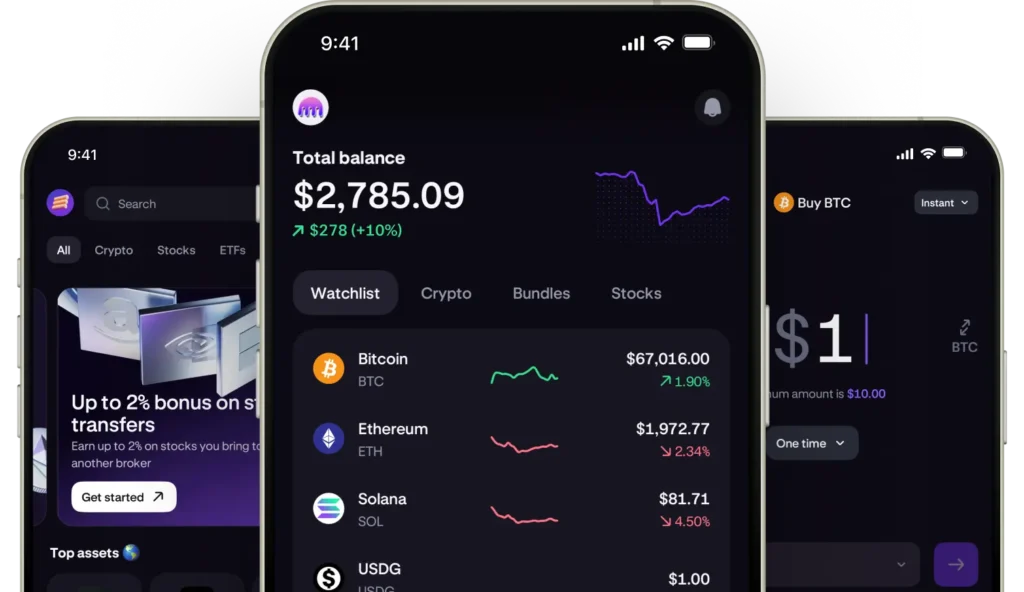
Navigating complex financial markets often generates questions and technical hurdles. Access to responsive support and reliable educational material is a critical metric of a platform’s maturity.
24/7 Global Support
The platform maintains a dedicated customer support infrastructure operating around the clock. Users can reach out via live chat or submit support tickets for complex account inquiries, technical issues, or verification assistance.
Empowering Through Education
Recognizing that financial literacy drives industry adoption, the exchange invests heavily in educational content. Through comprehensive guides, glossaries, video tutorials, market reports, and webinars, users can learn about blockchain technology, fundamental analysis, technical trading indicators, and risk management strategies at no additional cost.
Evaluating the Ecosystem: Advantages and Considerations
Like any financial service, the platform presents a specific set of strengths and limitations that traders should weigh carefully against their individual needs and goals.
Primary Advantages
-
Industry Longevity and Trust: Operating successfully since the early years of digital assets demonstrates deep operational resilience and regulatory adaptability.
-
Robust Security Standards: Exceptional industry reputation for protecting user funds through advanced cryptography and cold storage protocols.
-
Deep Liquidity: High trading volumes across major currency pairs ensure minimal slippage, even for substantial order sizes.
-
Advanced Financial Tools: Comprehensive margin trading, futures contracts, and staking options provide versatile utility for serious market participants.
Key Considerations
-
Complex Interface for Beginners: The professional trading terminal can feel overwhelming for absolute novices who are unfamiliar with financial charts and order types.
-
Rigorous Verification: Strict compliance requirements mean that users cannot trade anonymously, which may deter individuals prioritizing complete privacy.
-
Fiat Limitations: Depending on your jurisdiction, certain fiat funding methods may involve processing delays or intermediary bank fees.
Conclusion
Understanding how the exchange works empowers you to engage with digital asset markets safely, efficiently, and strategically. By combining institutional-grade security, deep global liquidity, flexible staking options, and sophisticated trading tools, the platform bridges the gap between traditional finance and the decentralized frontier. Whether your goal is to build a long-term portfolio of foundational digital assets or to engage in active day trading, mastering the mechanics of your chosen platform is the first critical step toward financial success in the modern economy.