Is a personal loan worth it? See when it makes sense

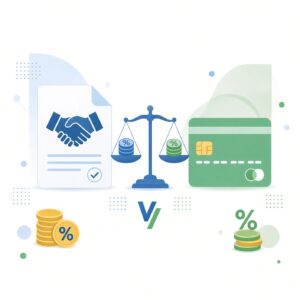
image for illustrative purposes only.
In today’s fast-paced financial landscape, personal loans have become one of the most versatile tools in a consumer’s arsenal. Whether you are looking to consolidate high-interest debt, fund a major life event, or handle an unexpected emergency, a personal loan can provide the necessary liquidity. However, the decision to take on debt is significant. Is a personal loan truly a smart financial move, or is it a pitfall that could hinder your long-term wealth?
Understanding the mechanics, benefits, and potential drawbacks of personal loans is essential for anyone looking to navigate their personal finances effectively. In this guide, we explore the nuances of personal lending to help you determine if it is the right solution for your unique circumstances.
What Exactly Is a Personal Loan?

A personal loan is a type of installment credit that allows you to borrow a fixed amount of money and repay it over a predetermined period through monthly payments. Unlike credit cards, which are revolving lines of credit, personal loans are typically “closed-ended.” This means you receive a lump sum upfront, and your repayment schedule—including the interest rate and the total number of payments—is set from the start.
Most personal loans are unsecured, meaning they do not require you to put up collateral, such as a home or a vehicle. Because there is no asset backing the loan, lenders determine your eligibility and interest rate primarily based on your credit score, income, and debt-to-income (DTI) ratio.
The Pros and Cons of Personal Lending
To determine if a loan makes sense for you, it is vital to weigh the advantages against the limitations.
The Advantages
-
Predictability: With fixed interest rates and fixed monthly payments, you know exactly how much you need to budget each month.
-
Debt Consolidation: By using a personal loan to pay off high-interest debt, such as credit cards, you may be able to lower your total interest expenses and simplify your finances into a single monthly bill.
-
Versatility: Personal loans can be used for almost anything, from medical bills to home renovations.
-
Potential Credit Score Improvement: If managed responsibly, making consistent, on-time payments can improve your credit score over time by building a positive credit history.
The Potential Downsides
-
Interest Costs: Depending on your creditworthiness, interest rates can be high. Over the life of the loan, you might pay significantly more than the initial amount borrowed.
-
Fees: Many lenders charge origination fees, which are deducted from the loan proceeds before you receive them. There may also be prepayment penalties for paying off the loan earlier than scheduled.
-
Impact on Cash Flow: Adding a new monthly payment reduces your disposable income, which requires careful financial planning.
When Does a Personal Loan Make Financial Sense?
Not every financial situation calls for a loan. However, there are specific scenarios where leveraging a personal loan can be a strategic move.
1. Consolidating High-Interest Debt
If you are struggling with multiple credit card balances, each carrying high interest rates (often above 20%), a personal loan could act as a “debt reset.” If you qualify for a loan with a lower interest rate, you can consolidate those balances into one payment. This not only reduces your interest burden but also helps you get out of debt faster by focusing on a clear, structured payoff timeline.
2. Financing Necessary Home Improvements
Investing in your home can sometimes increase its value. If a kitchen remodel, a roof repair, or a necessary system upgrade is required, and you do not have the immediate cash reserves, a personal loan can provide the funds to execute these projects. Unlike home equity lines of credit (HELOCs), which use your home as collateral, an unsecured personal loan protects your property while allowing for necessary improvements.
3. Covering Emergency Expenses
Life is unpredictable. Sudden medical procedures, emergency car repairs, or unexpected travel may force you into a corner. If you do not have an adequate emergency fund, a personal loan can bridge the gap, preventing you from relying on high-interest predatory credit products or depleting your long-term savings.
4. Funding Major Life Milestones
From weddings to educational certifications, certain life events require significant upfront capital. When these events are planned, a personal loan allows you to spread the cost over several years rather than straining your current bank account.
Assessing Your Financial Readiness
Before applying for a loan, you must conduct a thorough audit of your financial health. Lenders will perform this audit for you, but you should be ahead of the curve.
Analyze Your Debt-to-Income Ratio
Your DTI ratio is calculated by dividing your total monthly debt payments by your gross monthly income. Most lenders prefer a DTI ratio below 36%, though some may accept higher ratios depending on your credit score. If your DTI is too high, adding another loan payment may put you in a precarious position.
Evaluate Your Credit Profile
Your credit score is the single most significant factor in determining the interest rate you will be offered. Before applying, obtain a copy of your credit report. Check for errors, pay down existing balances, and ensure your credit utilization ratio is healthy. Improving your credit score by even a few points can result in significant interest savings over the life of a loan.
Consider the Total Cost of Borrowing
Do not look only at the monthly payment. Look at the Annual Percentage Rate (APR), which includes the interest rate and any applicable fees. Calculate the total interest you will pay over the entire term of the loan. Ask yourself: Is the convenience of the loan worth the total cost of the interest?
Alternatives to Personal Loans

Before committing to a personal loan, consider whether other avenues might be more cost-effective.
-
Emergency Savings: If you have an existing emergency fund, evaluate whether it is more beneficial to use that money rather than taking on debt and paying interest.
-
Balance Transfer Credit Cards: If you have good credit, you might qualify for a credit card with a 0% introductory APR on balance transfers. If you can pay off the debt within that introductory period, this is often cheaper than a personal loan.
-
Borrowing from Friends or Family: While this can be complicated by personal dynamics, it may offer the most favorable terms—provided there is a clear, written agreement to ensure everyone is protected.
-
Employer Assistance Programs: Some companies offer salary advances or low-interest emergency loans to employees. It is worth checking your benefits package.
How to Apply for a Personal Loan Successfully
Once you have decided that a personal loan is the right path, follow these steps to secure the best possible terms.
Shop Around and Compare Offers
Never accept the first offer you receive. Different lenders—including traditional banks, credit unions, and online lenders—have vastly different criteria and rate structures. Use pre-qualification tools, which allow you to see potential offers without impacting your credit score.
Prepare Your Documentation
Lenders will require proof of income, employment verification, and identification. Having your pay stubs, W-2s, and tax returns organized before you start the application process will make the experience much smoother and faster.
Understand the Terms
Read the fine print. Are there penalties for paying off the loan early? Is the interest rate fixed or variable? What are the late fees? Understanding the contract ensures there are no unpleasant surprises down the road.
The Importance of Repayment Strategy
Once you have secured the loan, your focus must shift to repayment. A personal loan is only a “good” debt if you pay it off effectively.
Automate Your Payments
Most lenders offer a slight interest rate discount if you sign up for automatic payments. Furthermore, automation ensures you never miss a due date, which protects your credit score and prevents late fees.
Pay More Than the Minimum
If your budget allows, make extra payments toward the principal balance. Because interest is calculated based on the outstanding principal, paying down the principal faster reduces the total amount of interest that accrues over the life of the loan. Always check that your lender applies extra payments to the principal rather than future installments.
Avoid Taking on New Debt
A common mistake is using a personal loan to consolidate debt and then immediately charging up your credit cards again. This creates a cycle of debt that is difficult to break. View the loan as a tool to clean up your finances, not as additional “free money” to spend.
How Loans Affect Your Credit Score
It is important to understand how a personal loan interacts with your credit profile. Initially, applying for a loan will result in a “hard inquiry,” which can cause a temporary, small dip in your credit score.
However, once the loan is open, it can positively impact your credit mix. Credit bureaus like to see that you can manage different types of debt, such as revolving credit (cards) and installment credit (loans). As you make on-time payments, your credit history will strengthen, which can lead to higher scores over time. The key is consistency; even one missed payment can have a significant negative impact on your score.
Identifying Predatory Lending Practices
Unfortunately, the lending market is not always transparent. Be wary of lenders who promise “guaranteed approval regardless of credit history.” These are often signs of predatory lending, which may include astronomically high interest rates, hidden fees, and aggressive collection tactics. Stick to reputable, well-known institutions, and always verify a lender’s legitimacy before sharing your personal information.
When to Seek Professional Financial Advice

If you find yourself considering a personal loan to pay for basic living expenses like groceries or rent, this is often a sign of a larger, systemic financial issue. In such cases, a personal loan is likely a “band-aid” rather than a cure.
Consider speaking with a non-profit credit counselor or a financial advisor. They can help you create a budget, negotiate with creditors, and explore debt management plans that do not involve taking on new high-cost debt. There is no shame in seeking guidance; in fact, it is one of the most proactive steps you can take toward long-term financial stability.
Final Reflections on Financial Responsibility
Personal loans are neither inherently “good” nor “bad.” They are financial instruments, and like any tool, their utility depends on the hand that wields them. When used to consolidate debt at a lower rate or to finance an investment in yourself or your property, they can be a powerful engine for progress. When used impulsively to finance a lifestyle beyond your means, they can quickly become a burden.
The secret to financial freedom is not the absence of debt, but the mastery of it. Take the time to analyze your needs, compare your options, and commit to a repayment plan that fits your life. By making informed, deliberate choices, you can use personal loans to build a stronger, more secure financial future.